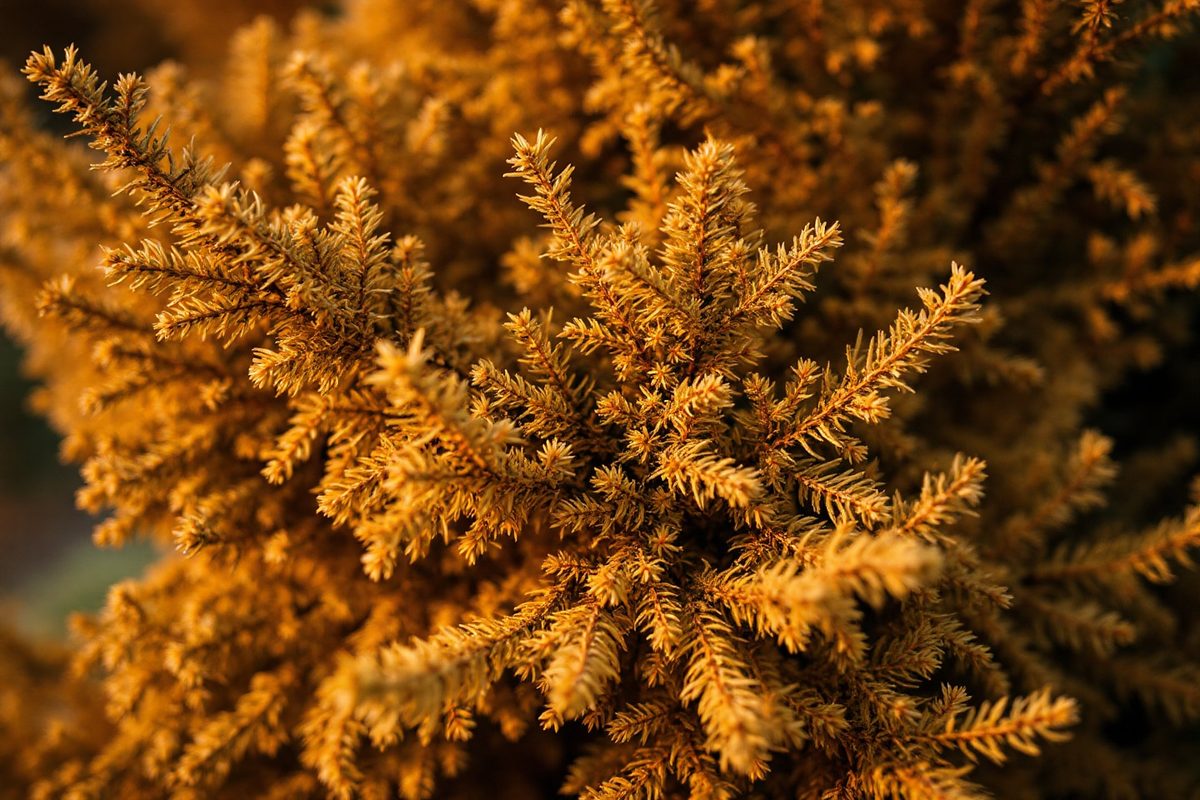
One minute your thuja hedge is a lush green wall. The next, it’s a patchwork of yellow and brown spikes. It happens fast. Usually, this panic sets in during early autumn when the rest of the garden starts shifting tones. Is it just the season changing? Or is your hedge dying?
Preserving a landscaped garden requires close observation. Thuja hedges are pillars of privacy, but they are also sensitive. When their foliage changes color, it’s a cry for help. Understanding what that signal means separates a simple seasonal purge from a root-level disaster.
Natural Seasonal Shedding vs. Stress Signals
Thuya foliage isn’t immutable. It changes.
If you see only a few inner branches turning gold or brown, don’t panic. This is normal. Thuja plants naturally shed their oldest needles located deep inside the hedge to renew themselves. This autumnal drop is often subtle but essential for the plant’s cycle. It’s the plant clearing out the dead weight to prepare for winter.
However, there is a line between natural shedding and distress.
If the entire hedge—or almost all of it—turns a uniform shade of yellow or brown, that’s not normal. If the browning starts at the tips of the branches and spreads rapidly inward, you have a problem. This indicates deep stress. It could be a parasitic attack, poor maintenance, or environmental shock.
The Role of Weather in Color Change
In October, nights get colder. Humidity settles in. These shifts trigger natural color changes in massifs, borders, and hedges. The transition to autumn induces a growth pause. Needles fall. In some varieties, this drop looks dramatic.
It’s worse if the climate has been volatile. A dry summer followed by heavy rains in September stresses the roots. The plant doesn’t know whether to grow or hunker down. But if the discoloration is localized or accompanied by visible drying, stay vigilant. Don’t wait for the whole plant to turn brown before acting.
Hidden Enemies: Pests and Pathogens
Sometimes the enemy is invisible until it’s too late.
Fungal pathogens like Phytophthora or Pestalotia are among the most feared threats to thuja hedges. They cause rot and desiccation. You might see needles turning brown progressively. In some cases, resin oozes from the trunk. These fungi thrive in wet, poorly drained conditions.
Then there are the insects.
Red spider mites are frequent during dry summers. They weaken the hedge permanently by sucking out moisture. Aphids, certain beetles, and leaf miners also contribute to massive foliage loss. If you see tiny parasites or fine webbing with the naked eye, intervene quickly. These pests don’t wait for winter to destroy your privacy screen.
Watering Mistakes That Kill Hedges
Water is life. Too much or too little is fatal.
A lack of water in summer or, conversely, waterlogged soil is the primary cause of thuja decline. These shrubs hate excesses. If you have clay soil where water stagnates, the roots suffocate. They can’t breathe. The foliage turns brown as the root system fails.
Improper pruning is another common killer. Pruning too late in the season or cutting too severely removes the residual foliage needed for photosynthesis. This weakens the plant before winter hits. Don’t forget the lawn mower either. If you trim grass too close to the base of the hedge, you expose the roots to dehydration and mechanical damage.
Soil Health and Nutrition: Reading the Leaves
The color of the leaves tells a story.
Are the tips yellow? Is the foliage looking pale? This often points to a lack of nitrogen or iron in the soil. On the flip side, brown necrosis on soft shoots can signal fertilizer burn. This happens if you applied too much nitrogen at the wrong time, damaging the roots.
Correcting a deficiency requires care. Use a carefully dosed fertilizer specific for conifers, spread in spring or autumn. Avoid highly concentrated products. They shock the roots.
Also, watch your daily habits. If your lawn is treated with herbicides, the chemicals can drift or seep into the thuja roots. Proximity matters. A healthy hedge needs a healthy soil microbiome, not a chemical battlefield.
Aeration and Drainage: The Root of the Problem
Thuja plants despise heavy, compacted soil.
If your soil is clay-heavy and retains water, the roots suffocate. Compaction deprives roots of oxygen. This leads to yellowing or browning foliage and makes the hedge vulnerable to fungal diseases.
Soil aeration is essential.
Don’t overcomplicate it. A simple rake to scratch the surface in autumn helps. Add organic mulch on top. This stimulates microbial life and improves drainage. It’s a simple fix, but one many homeowners overlook. Without proper aeration, your thuja hedge remains exposed to seasonal extremes and disease.
Keep an eye on the base of the plants. Check for standing water after rains. Look under the needles for pests. The difference between a thriving hedge and a dead one often comes down to what’s happening underground.
Step two: Pruning to stop the rot
You see brown needles. Don’t panic. Act.
Grab your bypass pruners. Disinfect them first. A quick wipe with alcohol or bleach solution stops the spread of fungus before it jumps to the healthy green parts. Cut back every dead twig. Snip it at the base where it meets the main branch. Remove any fallen leaves from the ground around the hedge base. These are hiding spots for spores.
This isn’t just cleanup. It’s aeration.
Thuyas hate poor airflow. By opening up the center of the hedge, you let light and wind penetrate deeper. Less humidity means less disease.
After pruning, apply a preventative treatment. Use a horsetail decoction or plant-based purin. Spray it on the remaining foliage. It’s not a cure-all, but it strengthens cell walls. It makes the plant less inviting to pests.
Watering and winter prep: The root strategy
Roots are where the battle is won or lost.
If this summer was dry, your thuyas are stressed. Stress weakens immune systems. Water them deeply before the first hard frost. Don’t just sprinkle the surface. Soak the root zone.
But be careful. Thuyas hate wet feet. Soggy soil leads to root rot faster than drought does. Check drainage. If water pools, you have a bigger problem.
Add a thick layer of mulch. Use shredded bark or fallen leaves. Keep it a few inches thick. This insulates the roots against freeze-thaw cycles. It locks in moisture without suffocating the soil.
Reviving the foliage: Feeding the soil, not the plant
You want new growth. You need nutrients.
Loosen the soil around the base of the hedge. Use a garden fork. Be gentle. Don’t sever the fine feeder roots. Break up any hardpan compaction.
Spread a thin layer of mature compost. Not fresh manure. Compost. It releases nitrogen slowly. It improves soil structure. Apply this in late autumn. The soil is still warm enough for microbial activity, but plant growth has slowed. This gives the roots time to absorb nutrients before dormancy.
The hard truth: When to replace
Sometimes, saving is impossible.
If your thuja hedge is decades old, sparse at the base, and constantly fighting disease, consider replacement. Don’t feel guilty.
Swap out the weakest sections. Choose robust alternatives.
Laurier-tin (cherry laurel) handles drought better.
Elaeagnus (silverberry) thrives in poor soil.
Photinia offers color and density.
These plants diversify your landscape. They reduce the risk of total hedge failure. If one species succumbs to a blight, the others survive.
Prevention: The yearly rhythm
Health is a habit.
Inspect your hedge twice a year. Once in early spring. Once in early autumn. Look for yellowing needles. Look for black spots. Look for webbing.
Early detection saves the hedge. Late detection requires chemical intervention.
Feed moderately. Use organic fertilizer. Avoid synthetic salts that burn roots.
Mulch annually. Water during dry spells.
This routine is eco-friendly. It reduces chemical dependency. It builds a resilient ecosystem in your yard.
The gardener’s eye
You know your garden better than anyone.
Notice changes. A branch that feels brittle. Leaves that drop prematurely. Growth that has stalled.
These are signals. Listen to them.
Quick action limits damage. Slow reaction leads to removal.
A healthy hedge does more than look good. It provides shade. It creates privacy. It breaks the wind. It stops the monotony of a flat lawn.
It structures your outdoor space.
Why the color change matters
Seeing your thuyas turn brown is unsettling.
But it’s also an opportunity.
It forces you to observe. To assess. To rebalance.
Your garden is alive. It changes with the seasons. A hedge that never changes is dead. A hedge that evolves is thriving.
Let your garden breathe. Let it grow.