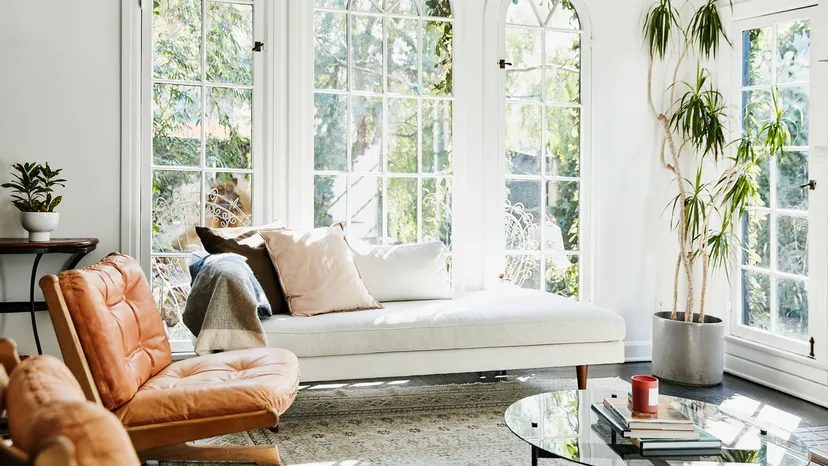
If you are hunting for a home in the Northern Hemisphere, look south. The sun hangs in the southern sky all year round. This is not an illusion. The Earth is round. It spins on an axis tilted at 23 degrees relative to its orbit. That tilt dictates where the light falls. It puts the sun in the south for anyone living north of the equator.
For homeowners, this geometry is everything. A southern-facing window lets in maximum natural light. It also traps heat. That matters if you want to lower your energy bill. It matters if you are installing solar panels. The angle of the sun changes with the seasons. But the general direction stays consistent.
The Science of Light Direction
You do not need a degree in astrophysics to understand this. You just need to know which way the sun rises and sets. In the north, the sun arcs across the southern part of the sky. It peaks in the south at noon. This means any wall or roof facing south gets direct beams. Walls facing north get only indirect, diffuse light. East and west get morning or afternoon sun. That is good, but it is not consistent.
Southern exposure provides steady illumination. It warms interiors in winter. It keeps rooms bright without turning on lamps. This reduces reliance on artificial lighting. It also helps with mood. Dark rooms feel heavy. Sunlit rooms feel open. For DIYers and renovators, this is a starting point. You can work with the light. Or you can block it.
Solar Energy and Efficiency
Homeowners often ask about solar potential. A south-facing roof is the best candidate. The panels catch more hours of direct sun. They generate more electricity. This is true for both solar thermal and photovoltaic systems. The angle of the roof matters too. But direction is the first filter. If your house faces north, solar is harder. You may need steeper angles or trackers. But south is simpler.
Natural light plays a role in passive solar design. Large windows on the south side let heat in. Thermal mass inside the home stores that heat. The room stays warm into the evening. This cuts down on heating costs. In summer, overhangs can block the high sun. You still get light. You avoid overheating.
Practical Considerations for Homeowners
When evaluating a property, check the windows. South-facing ones bring in more light. They may need shading. Blinds or trees can help. North-facing rooms often feel cold. They need extra insulation or heating. East and west windows get hot in the morning or late afternoon. That can cause glare. Southern exposure is more stable. It is easier to manage.
For DIY projects, use this knowledge. If you add a window, put it on the south wall. If you are building a deck, face it south. You get more usable time outdoors. The sun follows you. That is a practical advantage. It is not just about aesthetics. It is about comfort. And cost.
Where Direction Matters Most
This rule applies to most of the inhabited world. If you are in the United States, Canada, Europe, or Asia, the sun is in the south. There are exceptions near the equator. But for the majority of homeowners, southern exposure is the gold standard. It affects light, heat, and energy production.

Sunlight hitting your southern windows isn’t random. It is geometry. You have to look at your house’s position on the globe and how the sun’s path changes between summer and winter. The two diagrams on the left show you exactly what is happening.
Why the Angle Matters
In winter, the sun hangs low in the sky. Its rays come in at a steep angle. They punch right through your southern windows. That light travels deep into the room. It hits the floor. It warms up the space. This is passive solar heating at work.
Summer is different. The sun climbs high. It sits almost directly overhead. The roof eaves block most of that harsh light. You get shade. You stay cool. This is why orientation dictates comfort.
How to Read the Diagrams
Look at the first diagram. It shows the winter sun path. Notice the low angle. The rays bypass the overhang. They enter the living space. The second diagram flips the season. The sun is high. The overhang casts a shadow. The interior stays dark.
This isn’t just theory. It affects your utility bills. It changes how you arrange furniture. A south-facing wall is a heat collector. A north-facing one is a light diffuser.
Practical Implications for Renovators
If you are adding windows, placement is everything. South-facing glazing maximizes winter gain. But you need shading for the summer months. Fixed overhangs work best for this. They are calculated based on your latitude.
“The sun’s path is predictable. Your design should follow it, not fight it.”
This isn’t about guessing. It is about measuring angles. Use a compass. Check the sun’s arc at noon in December and June. See where the light falls. Then decide where to cut the glass.
Materials and Tools You’ll Need
You don’t need a degree in astrophysics. You need a compass. A simple protractor app on your phone works. Or a physical solar pathfinder tool. These cost less than fifty dollars. They last forever.
If you are framing new walls, think about the studs. Solid wood blocks heat transfer. Insulation with a high R-value is non-negotiable. Triple-pane windows help, but the frame matters too. Vinyl, wood, or fiberglass. Each has pros and cons for thermal performance.
Where to Start
Check your current windows. Are they leaking air? South-facing windows get the most sun. That means more expansion and contraction. Check the seals. If the glass fogs up, replace the unit. Don’t patch it.
For new builds or major renovations, align the long axis of the house east-west. This maximizes south-facing wall space. It minimizes east and west exposure. Those sides get the brutal morning and afternoon sun. Harder to shade. Harder to manage.
The Human Element
You live in this space. Watch how the light moves. Sit in the corner at 2 PM in January. Is it warm? Good. Now sit there in July. Is it hot? Bad. Adjust the shading accordingly.
There is no perfect fix. Every house is different. The land slopes. Trees grow. Neighbors build. You adapt. You measure. You tweak. The sun doesn’t care about your plans. But you can plan
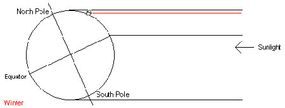

The geometry of solar exposure is simple but powerful. In both the northern and southern hemispheres, the wall facing the respective pole (south in the north, north in the south) is the one that tracks the sun’s arc. For homeowners in the northern hemisphere, this means your south-facing walls are the primary collectors of daylight.
But it isn’t just about how much light you get. It is about when you get it.
The Geometry of Summer vs. Winter Sun
The sun’s apparent angle relative to your roofline shifts dramatically between seasons. In summer, the sun climbs high into the sky. In winter, it hangs low on the horizon.
This difference is the secret behind passive solar design. Specifically, it explains why deep eaves work.
Deep overhangs on a south-facing window act as a seasonal filter. They block the high-angle summer sun, keeping your home cooler when you need it most. Meanwhile, they allow the low-angle winter sun to penetrate deep into the living space, providing free heat when you need it.
How to Visualize Solar Angles
You do not need complex software to understand this. A globe and a flashlight are sufficient.
- Place a small object like a sugar cube or a toy house on the globe’s equator or mid-latitude to represent your home.
- Shine a flashlight (the sun) at an angle.
- Tilt the globe’s axis to simulate summer (away from the sun) and winter (toward the sun).
Watch how the light hits the object. You will see the stark contrast in shadow and illumination. You will also see how the light moves from east to west, rising in the morning and setting in the evening. This physical model proves that orientation dictates light quality.
Which Exposure Is Best for Your Home?
If you are weighing options for a new build or a renovation, here is the breakdown of exposure types.
Southern Exposure
This is the gold standard for consistent, strong light throughout the day in the northern hemisphere. It maximizes natural illumination and potential solar gain.
Eastern Exposure
Best for morning light. The sun hits early and fades by midday. Good for kitchens or breakfast nooks, but rooms may feel dark in the afternoon.
Western Exposure
Best for afternoon and evening light. This exposure can lead to intense heat gain in the late afternoon, which may increase cooling costs in summer.
Northern Exposure
Provides soft, indirect light all day long. The sun never shines directly on these walls. It is ideal for artists’ studios or spaces where glare is undesirable, but it will feel cooler and darker than other orientations.
Why Southern Exposure Matters for Energy
If you are looking to reduce energy bills, a south-facing orientation is critical. It allows you to harness solar energy passively. By designing windows and thermal mass (like concrete floors or stone walls) to capture that low winter sun, you can offset heating costs significantly.
Southern Exposure FAQ
Are south-facing apartments good?
Yes, if you live in the northern hemisphere. You will get the most natural light during the day. The sun rises in the east and sets in the west, meaning the south side receives the longest duration of direct sunlight.
What is a south-facing apartment?
It is a unit where the primary windows face directly south. This orientation ensures maximum exposure to the sun’s path across the sky.
What is the sunniest exposure?
In the northern hemisphere, the south is the sunniest