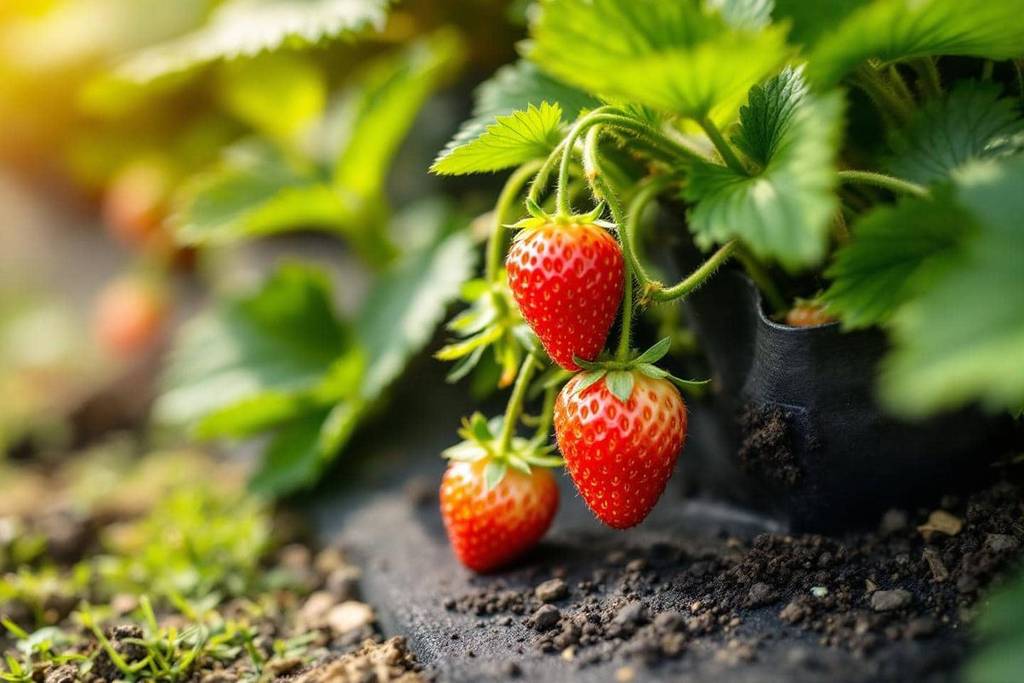
Picture this: plump, glossy strawberries that smell like summer, picked at dawn while the dew is still clinging to the leaves. Getting fruit this good without a single drop of chemical fertilizer might sound like magic. It isn’t. It’s a quiet, natural method that completely changes the game for home growers. This subtle art of gardening—once reserved for those who watch nature closely—can turn your strawberry patch into a gourmet paradise this season. Here is why this approach is winning over anyone who wants healthy, abundant fruit.
Stop Using Chemical Fertilizers on Strawberries
More gardeners are ditching synthetics in favor of ecological solutions that produce flavorful fruit without harming the environment. The logic is simple: nature offers smarter alternatives.
Why Chemical Fertilizers Fail Long-Term
Chemical fertilizers promise quick growth and bigger yields. The reality is often disappointing. Repeated use depletes the soil, disrupts the microbial life essential for plant health, and can leave an artificial taste in your berries. Worse, these chemicals can leach into groundwater and upset the local ecosystem. They are also suspected of accelerating the decline of pollinators like bees and green lacewings.
Smart gardeners are switching to softer methods. They use mulch, compost, and companion planting. The results rival chemical methods but come with the added satisfaction of working with nature rather than against it.
Building a Living Soil Ecosystem
Big strawberries start with healthy soil. A living substrate rich in microorganisms feeds roots naturally, retains water, and protects against disease. Think of it as the “brown gold” of gardening. Earthworms, beetles, and other unseen allies till, drain, and enrich the earth far better than any chemical powder. By focusing on soil quality through compost and organic matter, strawberry plants draw energy from a healthy environment. This leads to juicier, more flavorful fruit. Traditional gardeners across France have relied on patience and observation of natural cycles for generations. Investing in living soil is a bet on the earth’s generosity, season after season.
The Secret Weapon: Pine Needle Mulch
Why Pine Needle Mulch Is Better For Strawberries
Pine needles are not just yard waste. They are a strategic tool. Unlike wood chips, which can tie up nitrogen as they decompose, pine needles break down slowly. They create an acidic environment that strawberries love. They also prevent weed growth and keep the soil cool.
How to Apply Pine Needle Mulch Correctly
You need pine straw or fresh pine needles. Avoid treated wood chips or broadleaf mulch near the crown.
- Harvest or Buy: Collect fallen needles from pine trees or buy bales. Ensure they are fresh and dry.
- Prepare the Bed: Clear weeds from around your strawberry plants. Water the soil well before applying mulch.
- Spread the Layer: Lay a 2-3 inch layer of pine needles around the plants. Do not pile them against the stems. Keep the crown dry to prevent rot.
- Maintain: Top up the mulch every few weeks as it decomposes. This maintains the acidic barrier and moisture retention.
Tools You Will Need
- Garden Fork: To loosen the soil before mulching.
- Hand Rake: For spreading the needles evenly.
- Knee Pads: You will be on the ground a lot.
- Gloves: Pine needles can be sharp and may carry insects.
Safety and Maintenance Tips
Wear gloves when handling pine needles. They can harbor mites or thorns. Check for fire hazards if you live in a dry area; pine needles are flammable. Keep the mulch moist by watering regularly, especially in dry spells. This helps the needles decompose and release nutrients slowly.
Comparing Pine Needles to Other Mulches
| Mulch Type | Acidity | Decomposition Rate | Weed Control | Best For |
|---|---|---|---|---|
| Pine Needles | High | Slow | Excellent | Strawberries, Blueberries |
| Wood Chips | Neutral | Very Slow | Good | Fruit Trees, Pathways |
| Straw | Neutral | Fast | Moderate | Summer Squash, Berries |
| Grass Clippings | Neutral | Very Fast | Poor | Compost, Light Mulch |
Pine needles stand out for their acidity and durability. They last longer than straw and do not compact as easily as grass clippings. This makes them ideal for perennial crops like strawberries.
Where to Source Pine Needle Mulch
Look for local arborists who trim pine trees. They often have excess needles they will give away for free. Garden centers sell bales in the spring and fall. Avoid needles from trees treated with pesticides. Check labels or ask the source. If you have pine trees in your yard, raking them in the fall is a free and effective strategy.
What Happens When You Switch?
You will notice fewer weeds. The soil stays cooler and moister. Your strawberries will grow larger and sweeter. The soil will become richer
Why Pine Needles Make Sweet, Giant Strawberries
It sounds like a gardener’s myth, but the secret to plump, sugary strawberries might be lying on the forest floor. For centuries, growers in wooded regions of France have lined their strawberry rows with golden pine needles. It isn’t just tradition. It’s a functional, low-effort hack that changes the game for home growers.
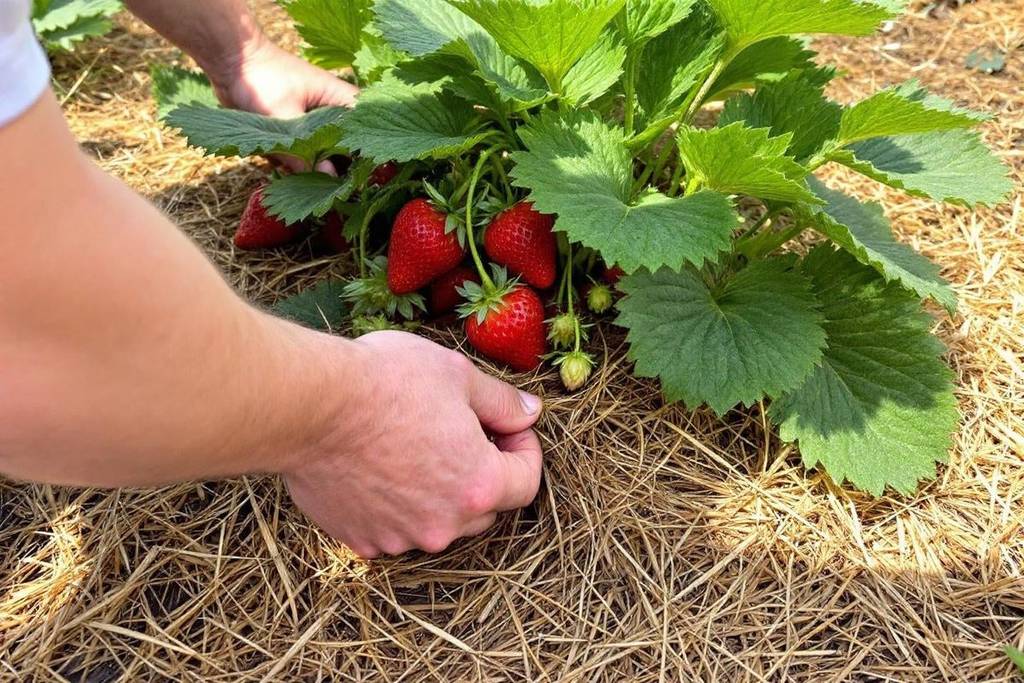
The logic is simple but effective. Pine needles create a breathable, soft mat beneath the plants. This keeps the fruit off the damp soil, which is the primary cause of rot. You get cleaner berries. You get less gray mold. And surprisingly, you get a more intense, sweet flavor.
Why does this work? Three reasons.
First, the physical barrier. The needles prevent water from splashing onto the leaves and fruit. This drastically reduces the risk of fungal diseases like botrytis (gray mold), which thrives in stagnant, wet conditions. Second, moisture retention. That thick layer of needles acts like a lid, slowing evaporation. Your soil stays cool and damp even during the hottest summer days. Less water loss means you water less. Third, and perhaps most surprisingly for some, acidity. Pine needles are naturally acidic. They break down slowly, lowering the pH of the soil slightly. Strawberry plants love this. They prefer slightly acidic, low-lime soil. The result? Larger fruit with a higher sugar concentration.
How to Apply Pine Needle Mulch: A Step-by-Step Guide
You don’t need special tools for this. Just your hands and a few hours of clear weather. Here is the practical method to get it right.
- Gather your materials. Aim for 4 to 5 liters of pine needles per square meter of strawberry bed. Look for needles that have fallen recently. They should be dry. Avoid wet, matted clumps that haven’t dried out.
- Prep the ground. Pull out any existing weeds. Use a hand fork or garden rake to lightly aerate the soil surface. You want the soil to breathe before you cover it.
- Apply the layer. Spread the needles around each plant. Keep the thickness between 3 and 4 centimeters. Do not pile the needles directly against the crown (the center) of the strawberry plant. Leave a small gap there to prevent rot and allow air circulation.
- Settle it in. Water the area gently. This helps the needles settle into place and keeps dust down.
Do this in the spring as temperatures rise. You can top up the layer later in the season if it thins out. The payoff is immediate: fewer weeds, cleaner fruit, and less dirt on your hands.
Long-Term Benefits: Less Work, Better Taste
The real advantage of this method reveals itself over the growing season.
Water Conservation
Because the mulch locks in moisture, you water significantly less often. This is huge for drought-prone areas or busy urban gardeners who can’t make it to the yard every day. The soil acts like a sponge, releasing water slowly to the roots.
Disease Prevention
Fungal spores often splash up from the soil onto the leaves and fruit during rain or irrigation. Pine needles block that splash zone. The berries stay dry. They stay clean. They ripen fully without turning mushy from the bottom up.
Flavor Enhancement
Growers consistently report a noticeable difference in taste. The combination of stress-free roots, consistent moisture, and slightly acidic soil concentrates the sugars in the fruit. The aroma becomes stronger, too. You’ll notice it before you taste it.
Seasonal Maintenance Tips
Pine needle mulch isn’t “set and forget,” but it requires very little effort.
Spring
Add fresh needles if the winter rains have compressed the previous layer. This is the best time to refresh the mulch.
Summer
Check for gaps. If the layer has thinned out under the plants, add more to maintain that 3-4 cm depth. This ensures continued weed suppression and moisture retention.
Autumn/Winter
Leave the mulch in place. It acts as an insulator, protecting the strawberry crowns from freezing temperatures.
Early Spring (Next Year)
Before new growth starts, rake away any heavily decomposed or compacted needles from the center of the plant. Replace them with a fresh, light layer of dry needles. If your soil is heavy clay, consider mixing in some coarse sand under the needles to improve drainage. This prevents waterlogging around the roots.
It’s a small change. A handful of needles from the ground. But the difference in harvest quality is undeniable. You end up with strawberries that are bigger, sweeter, and practically self-cleaning. The rest of the garden might look messy, but your fruit patch? It’s thriving. And you spend less time weeding, watering, and picking off moldy berries.
Why Gardeners Are Switching to Pine Needles
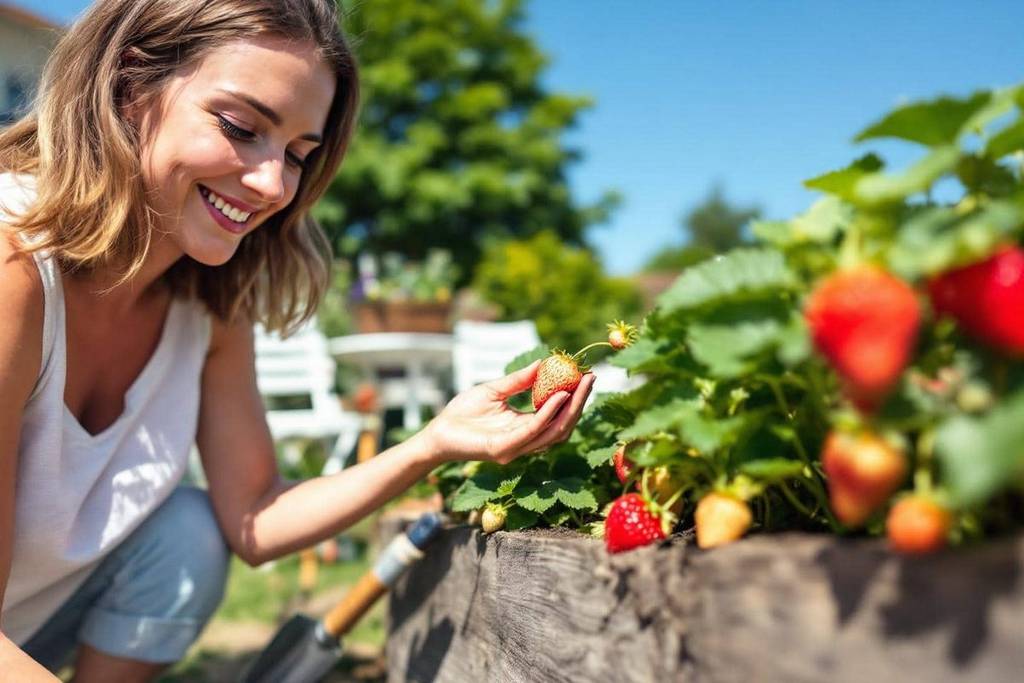
The journey from laying down the first layer of mulch to tasting that first bright red berry is rarely boring. Watch closely, and you’ll see transformations that feel almost like magic. Across family gardens and urban plots, baskets are overflowing with plump, vivid strawberries. And here’s the kicker: none of this required a single drop of chemical fertilizer.
Gardeners who have adopted this specific technique report consistent, striking results. The fruit isn’t just abundant; it’s significantly larger. We’re seeing strawberries weighing over 20 grams per piece, far exceeding the standard 12 to 15 grams typical of common French varieties. The harvest window stretches beautifully, starting in early June and continuing through August for everbearing varieties. This means fresh berries for months, not just weeks.
There’s a quieter benefit, too. Rot and pests are major headaches for any grower. Using pine needles significantly reduces these losses. The berries fill the baskets faster, turning visits to the garden into genuine leisure activities for families and friends. In some villages in the Southwest of France, mulching with pine needles is a generational tradition. It’s used to shield plants from sudden weather shifts, ensuring successful jam-making seasons.
How to Setup a Thriving, Chemical-Free Strawberry Patch
Observation is your best tool. Water moderately. Snip away unnecessary runners regularly. A few light hoeings around the base complete the care routine started by natural mulching.
Location matters. Plant your strawberries in full sun. Ensure you space the plants adequately to prevent root competition. If roots fight for space, yields drop. Variety selection also plays a role. Varieties like ‘Mara des Bois’ or ‘Gariguette’ pair exceptionally well with pine needle mulch. They develop distinct, complex flavors that rival the best market boxes.
Reduce your workload by adding mature compost between the plants each season. Combined with pine needles, this creates a fertile environment. Yields tend to increase year after year. Gardening with natural methods restores the simple joy of harvesting healthy, tasty food. No excessive effort. No unnecessary costs.
The method is simple. The results are visible. Pine needle mulch offers a practical, sustainable way to grow better fruit. It protects the soil. It enhances the flavor. It’s a small change with a large impact.
Why stick to traditional methods if nature offers a better shortcut? Next season, try it. You might be surprised by the quality of your own harvest. The neighborhood’s best strawberries might just be waiting for this one smart adjustment.