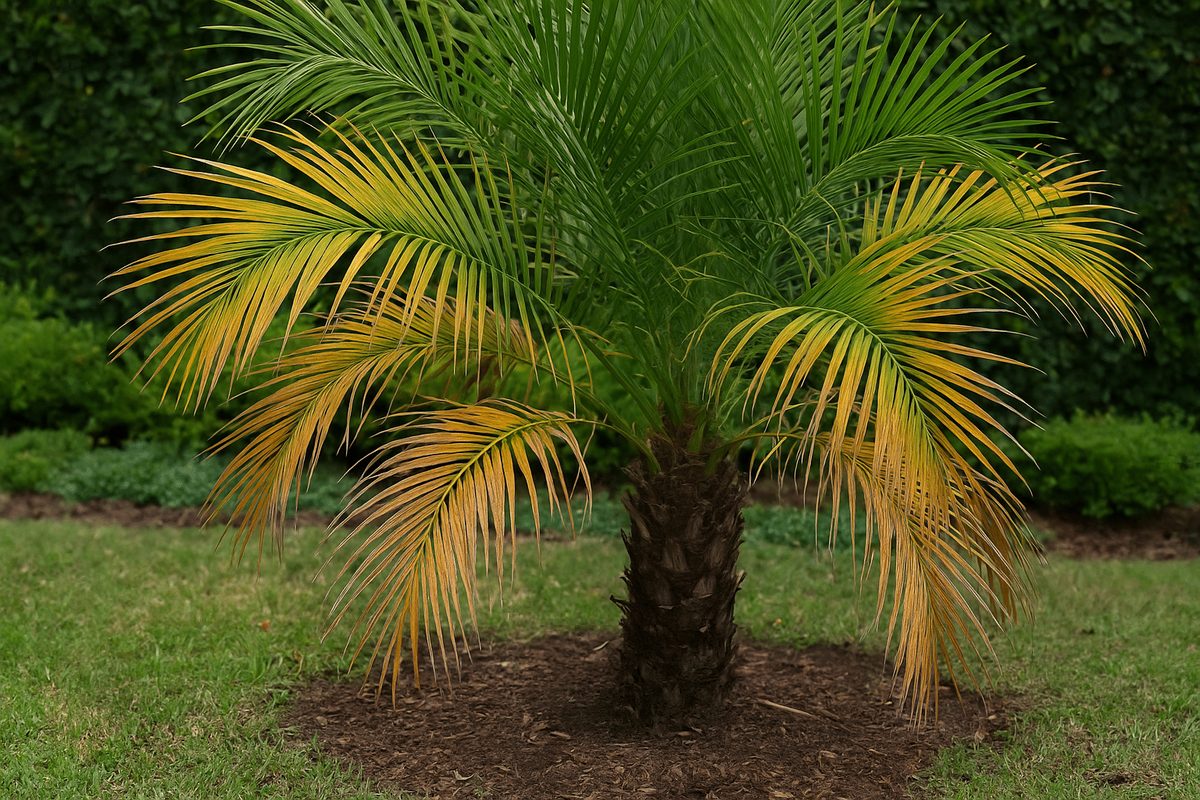
Yellowing palms are not a death sentence. Usually. It is easy to panic when the fronds turn from vibrant green to a sad, crispy yellow. Is it a disease? A water issue? Or just bad timing? Don’t sweat it yet.
May is the magic window. You have one shot to fix this before summer heat bakes the soil dry and stresses the plant out. This is your window to give those majestic tropicals a second wind.
Identifying the Real Culprit
You need to look closer than just the color. Yellowing can mean a few different things. It is rarely just one thing.
- Natural Aging: Old fronds at the bottom sometimes yellow and die. This is normal. If the top of the tree looks fine, let it be.
- Underwatering: Dry soil. Brittle leaves. Check the moisture level.
- Overwatering: Root rot kills palms quietly. Yellowing starts, then spreading.
- Nutrient Deficiency: Lack of magnesium or potassium often shows as yellowing first.
How to Save a Dying Palm in May
Stop everything. Inspect the tree.
- Check the soil. Stick your finger in. Is it bone dry? Is it soggy?
- Look at the fronds. Are they yellow only at the base? Or everywhere?
- Inspect for pests. Spider mites love dry palms. They suck the life out. Look for tiny webbing.
If the soil is dry, water deeply. Slow and steady. Let it soak in. If it is soggy, stop watering. Let it dry out.
The May Maintenance Checklist
May is warm but not scorching. Perfect time for intervention.
- Water deeply. Once a week if it hasn’t rained.
- Add fertilizer. A slow-release palm fertilizer works best. Look for magnesium.
- Remove dead fronds. Only if they are hanging loose. Don’t trim healthy green ones.
When to Call a Pro
If the trunk is soft? Big problem. If the leaves are falling off? Emergency. If the yellowing spreads fast? You might have a fungal issue.
Most yellowing is fixable in May. The heat is coming. Fix it now.
Your palm is sending distress signals. Yellowing tips, browning edges, brittle fronds. It looks bad. It feels like you’ve failed.
But panic is useless. Diagnosis is everything.
Before the heat of June turns a stressed palm into a dead one, you need to act. May is the deadline. Miss it, and summer becomes a struggle for survival.
Decode the Yellowing
Not all yellow leaves are created equal. A quick glance isn’t enough. You’re looking for root causes.
Water issues are the usual suspect. Too little water? The tips crisp up. Too much? The roots rot, suffocating the plant. Palm trees hate wet feet. They need consistency, not flooding.
Nutrient gaps tell a different story. Look for progressive yellowing. This often points to a magnesium or potassium deficiency. If the lower fronds are turning yellow while the top stays green, check your soil’s mineral balance.
Sun shock is another trap. If you moved your palm from shade to full sun too quickly, it will bleach out. A sudden exposure to harsh rays causes rapid yellowing.
Thermal shock lingers, too. A harsh winter leaves scars. If your palm was in a pot or newly planted, the cold might still be affecting its vigor.
Distinguish between temporary stress and actual disease. Don’t cut prematurely.
Dial in the Water
Spring thirst makes summer survival harder. Adapt your rhythm now.
Deep watering beats frequent misting. In May, aim for a thorough soak every five to seven days for palms in the ground. Potted plants dry out faster. You might need to water every three to four days, depending on the pot size and material.
Timing matters. Water in the early morning or late evening. Midday evaporation wastes water. Morning watering also prevents fungal issues by letting the fronds dry out during the day.
Avoid the crown. Never pour water into the center of the palm. Especially in the evening, this creates a swampy environment ripe for rot. Wet the soil, not the heart.
Feed for Strength
May is the window. This is when palms wake up fully.
An organic palm fertilizer is non-negotiable if you want lush growth. You’re looking for a mix rich in potassium, magnesium, and nitrogen. Slow-release formulas work best. They feed the plant steadily without burning the roots.
Application is simple. Scratch lightly into the top layer of soil. Apply the granules. Water immediately after. This helps the nutrients penetrate down to the root zone.
Do this every four to six weeks until September. But watch the dosage. Over-fertilizing causes root burn. It’s a common mistake that kills more palms than neglect.
Trim with Restraint
The urge to cut is strong. Those brown leaves look ugly. They look dead.
Resist.
Cut only dead fronds. If a leaf is partially yellow, it’s still photosynthesizing. It’s feeding the tree. Pruning too early weakens the palm’s energy reserves.
Use sharp, clean tools. Disinfect them between cuts. You don’t want to introduce pathogens to a stressed plant.
Never touch the growing point. The center of the palm is its engine. If you damage it, the plant cannot regenerate. It’s game over.
May allows for light aesthetic pruning. Save the heavy structural cuts for later in the season when the palm is fully established.
Pot Plants Need Extra Love
Container palms are fragile. They lack the soil buffer that ground-plants enjoy.
Check the roots. If water runs straight through or roots circle the bottom, it’s time to repot. Move to a container one size larger. Ensure proper drainage. Clay pots breathe; plastic pots bake. Choose wisely based on your climate.
Relocate if needed. Sunburn? Cold damage? Move the pot to semi-shade temporarily. Give it a break until it recovers.
Monitor moisture closely. Pots dry out fast. Especially on balconies where wind accelerates evaporation. Stick your finger in the soil. If it’s dry an inch down, water it.
A well-cared-for potted palm can be as vigorous as its ground-bound cousins. But it requires your attention.
Build Long-Term Resistance
Once the immediate issues are resolved, shift to maintenance.
Water deeply. Encourage deep root growth. Shallow watering leads to shallow roots, which are more vulnerable to drought.
Watch for pests. Scale insects, spider mites, mealybugs. They love hot, dry conditions. Inspect the undersides of fronds regularly.
Mulch wisely. When temperatures hit 25°C (77°F), add mulch around the base. This retains moisture and keeps roots cool. Keep it away from the trunk to prevent rot.
Avoid drafts. If your palm is in a pot, keep it away from strong wind currents or air conditioning vents.
A healthy palm isn’t a gift. It’s a result of daily decisions.
The heat is coming. Be ready.