


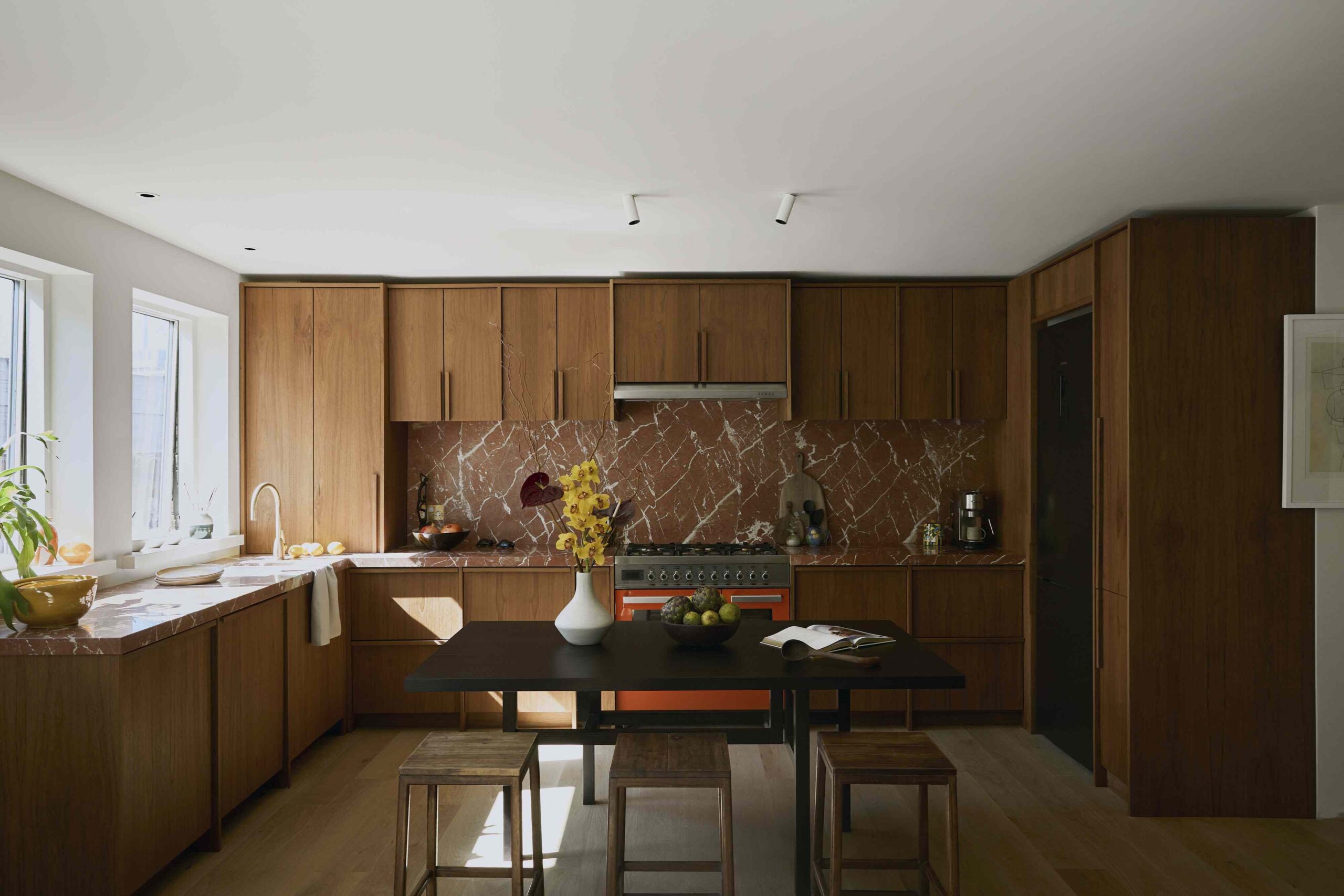
You barely notice it’s there. And that’s exactly the point.
Invisible kitchens are trending. They’re not about magic; they’re about strategy. This design approach blends appliances and storage into the background architecture. It’s minimalist without being sterile. If you want a space that feels calm, uncluttered, and undeniably sleek, you’ve found your new obsession. We talked to design expert Fisun to break down how this look works and how you can pull it off—even if you’re not tearing out your cabinets tomorrow.
What Makes a Kitchen Invisible?
It’s not about disappearing. It’s about integrating.
“An invisible kitchen is a space that beautifully blends with the interior, so you almost don’t notice it,” Fisun explains. The goal isn’t to make the room vanish into thin air. It’s to strip away the visual noise. Those bright stainless steel hoods? Gone. The chaotic stack of toaster ovens? Hidden.
This style takes minimalism a step further. It’s camouflage. You’re matching cabinetry to your wall color. You’re hiding your range hood behind paneling that looks like wood or painted plaster. The result is a unified backdrop where the cooking zone feels like a natural extension of the living area, not a separate, messy utility room.
And no, it doesn’t have to be all white. You can go dark. You can use bold colors. The rule is simple: nothing should stick out. Clutter is the enemy. Aesthetic dissonance is the foe. Everything needs to feel cohesive.
The Core Pillars of Concealed Design
You don’t need a million bucks to start. But you do need intention. Here is what actually makes the trick work.
Prioritize High-Tech Storage Solutions
Visibility kills the vibe. If it’s sitting on the counter, it breaks the illusion. Toaster. Blender. Coffee maker. Get them out.
“Really good storage is key,” Fisun says. She advises clients to inventory everything. Do you have twenty mugs? You need a dedicated spot for them. Do you have a collection of cast-iron skillets? They need a home. The design must be accessible. If putting things away is a hassle, they will remain on display. The design fails when the user gets lazy.
Choose Hardware That Disappears
Handles are the giveaway. A shiny chrome pull screams “cabinet” even if the door is the same color as the wall.
Skip the traditional knobs. Look for furniture-style pulls that mimic drawer fronts in other rooms. Or go completely handleless. Push-to-open mechanisms keep lines clean. Some designs use floor runners or recessed grips that are barely perceptible. The hardware should support the material, not interrupt it.
Stick to Matte or Natural Finishes
Shiny lacquer reflects light. It draws the eye. If you want your cabinets to merge with your walls, avoid high-gloss finishes unless your entire home is a study in reflection and sheen.
“ I prefer natural materials over shiny lacquered cupboards,” Fisun notes. Think matte paint. Suede-like textures. Warm woods. These absorb light. They recede. The same logic applies to your backsplash. A bright, patterned tile will shatter the visual continuity. You want a backsplash that matches the wall or the counter. Continuity creates calm.
Who Is This Trend For?
Open-plan apartments. Smaller homes. Spaces where the kitchen flows into the dining or living room.
“Invisible kitchens work beautifully in compact spaces or open layouts,” Fisun points out. When the kitchen isn’t a separate box, blending it into the main room makes the whole square footage feel larger. It removes the visual barrier between where you eat and where you cook. It’s practical. It’s spacious. It’s efficient.
How to Try It Without a Full Renovation
You don’t need to replace your cabinets to get close to this look. Start with decluttering. Clear your counters completely. Store the small appliances. Suddenly, your space feels lighter.
Next, look at your hardware. Swap out bulky handles for subtle alternatives. Paint your trim to match your cabinets. Hide your ugly appliances behind decorative fronts or custom panels. It’s not about buying new things. It’s about curating what’s already there until only the essentials remain.
Try it. Watch how the room changes when the noise stops.
Does it feel cleaner? Quieter? It does. And honestly? That’s the whole point.


