


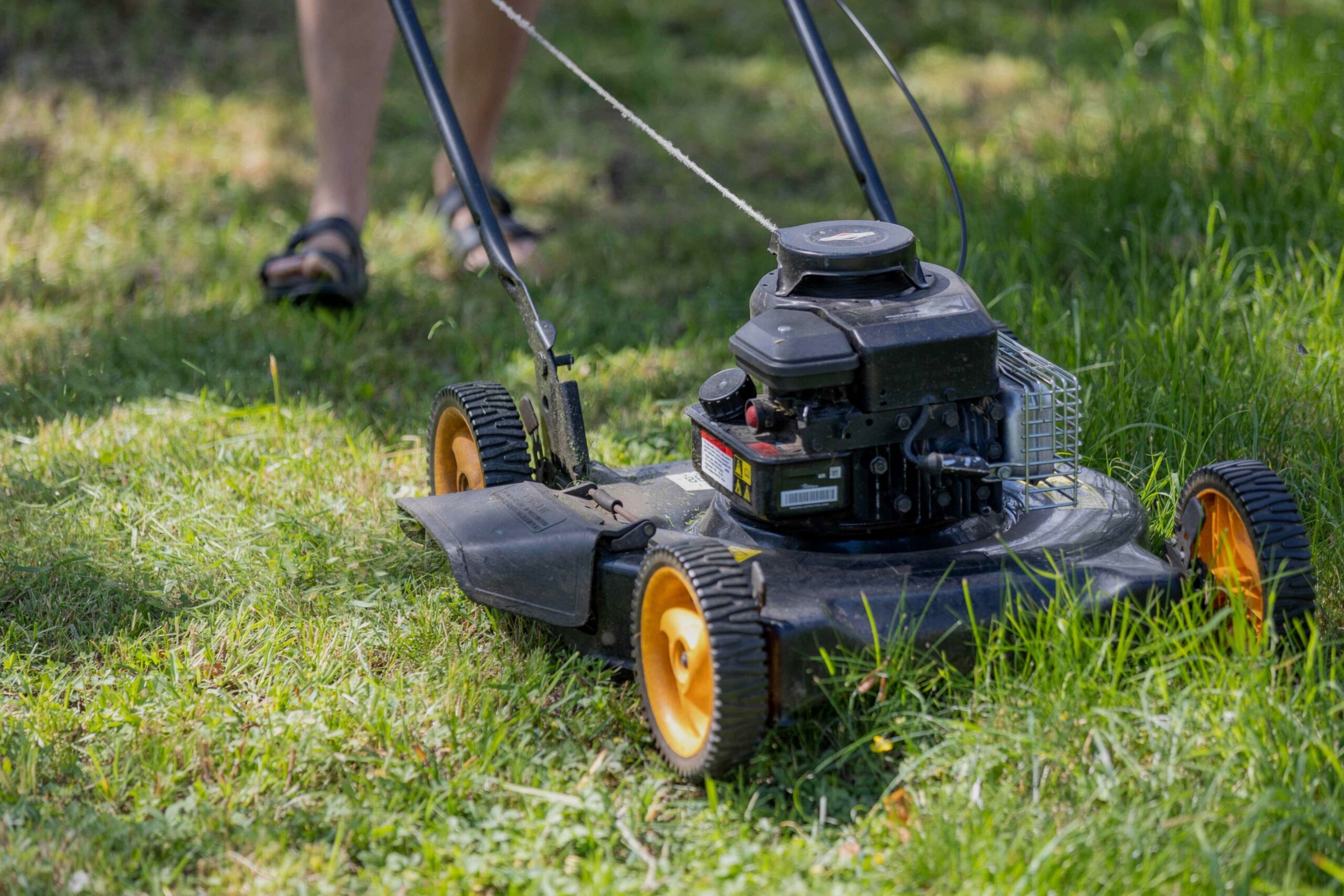
Your grass is tired.
By August, the summer sun has hammered it. Dehydration sets in. Foot traffic crushes it. The heat waves make survival the only priority.
It feels natural to back off. Who wants to cut grass that’s fighting for its life? Should you let it go wild to conserve energy? Or is that a death sentence for your turf?
We talked to three lawn experts to figure out what actually happens if you stop mowing in late summer.
The Myth of Summer Dormancy
Here is the mistake most homeowners make: They think a slow-growing lawn is a dormant one.
It’s not.
Craig Elworthy of Lawnbright points out a critical distinction. Your lawn isn’t shutting down for winter just because August feels brutal. The stress creates an illusion. The growth slows, yes. But the roots are still active. The plants are still alive and demanding maintenance.
“Continue mowing your lawn throughout the summer,” Elworthy says. “Until it actually goes into dormancy.”
That dormancy usually hits in the fall, not August. If you stop now, you aren’t helping your lawn. You’re letting it get shaggy, uneven, and prone to disease.
Tammy Sons of TN Nursery agrees, but she’s patient. She doesn’t mow unless the grass is quite long. Her logic is sound. If it’s growing, you cut it. If it’s sleeping, you leave it. August grass is awake. Just tired.
The Danger of Scorching Temperatures
Is there ever a time when you should skip the mower in August?
Yes, but rarely.
If the mercury spikes—think 95°F (35°C) or higher with zero cloud cover—things change. Chrissie Handley from Online Turf warns that extreme heat adds a layer of stress that mowing exacerbates.
When temps skyrocket, every blade you shear exposes a fresh, wet wound to the sun.
It’s tempting to mow frequently. Summer grass grows like crazy. You see the overgrowth and feel the urge to fix it. But in the dog days of August, that urge can backfire. Mowing during extreme heat does more harm than good.
Handley suggests a different approach. Instead of stopping completely, shift your mindset from manicuring to maintaining.
Focus on smoothing out the shaggy look. Don’t aim for a golf course cut. Aim for survival.
This means taking off only the tallest blades. Just enough to even things out.
How to Mow Without Killing Your Lawn in August
If you are wondering how to handle your lawn when August hits its peak heat, the strategy shifts from routine to damage control.
You don’t need to change your location. You need to change your settings.
1. Mow Less Frequently
Spring and early summer call for a mow every 7–10 days. August demands less frequency.
Scalping—the act of cutting grass too short in hot weather—kills turf. It exposes the crowns and stems. You’ll see dead patches quickly.
The fix? Cut back your schedule. Mow once every two weeks instead of weekly. Let the grass recover between cuts. This gives the roots time to draw up moisture and the blades time to photosynthesize.
2. Mow High
This is non-negotiable.
Longer grass creates its own microclimate. It shades the soil. Shaded soil stays cooler. Cooler soil holds moisture longer. And moist soil supports deeper roots.
“ I raise the mower blades to three or four inches,” Sons explains. “It shades the soil, retains moisture, and shields the roots from the summer heat.”
That 3-4 inch height isn’t aesthetic. It’s structural support. It keeps the grass cool during the day and insulated during the night. If you keep the deck low, you’re inviting stress.
3. Sharpen Your Blade
A dull blade tears. It doesn’t slice.
Think of the difference between a fresh knife cut and a jagged rip. A tear leaves ragged edges. Those edges dry out faster. They are open doors for fungus and disease.
August is humid and hot. Perfect breeding grounds for infection. Elworthy stresses that a sharp blade is your best defense against disease.
When the grass is already dry, a torn blade edge increases the risk of permanent damage. Change your blade before the heat peaks. Or sharpen it before you mow.
The Verdict on Late Summer Mowing
You do not need to stop mowing in August. Your lawn is not dormant. It is simply stressed.
But how you mow matters more than whether you mow.
Mow higher. Mow less often. Use a sharp blade.
Ignore the urge to create a perfect, low-to-the-ground look. That’s for spring. August is about survival. Keep the grass long and let the shade do the work.
Your lawn might look shaggier in August. That’s fine. It’s alive. And that’s all that matters.


