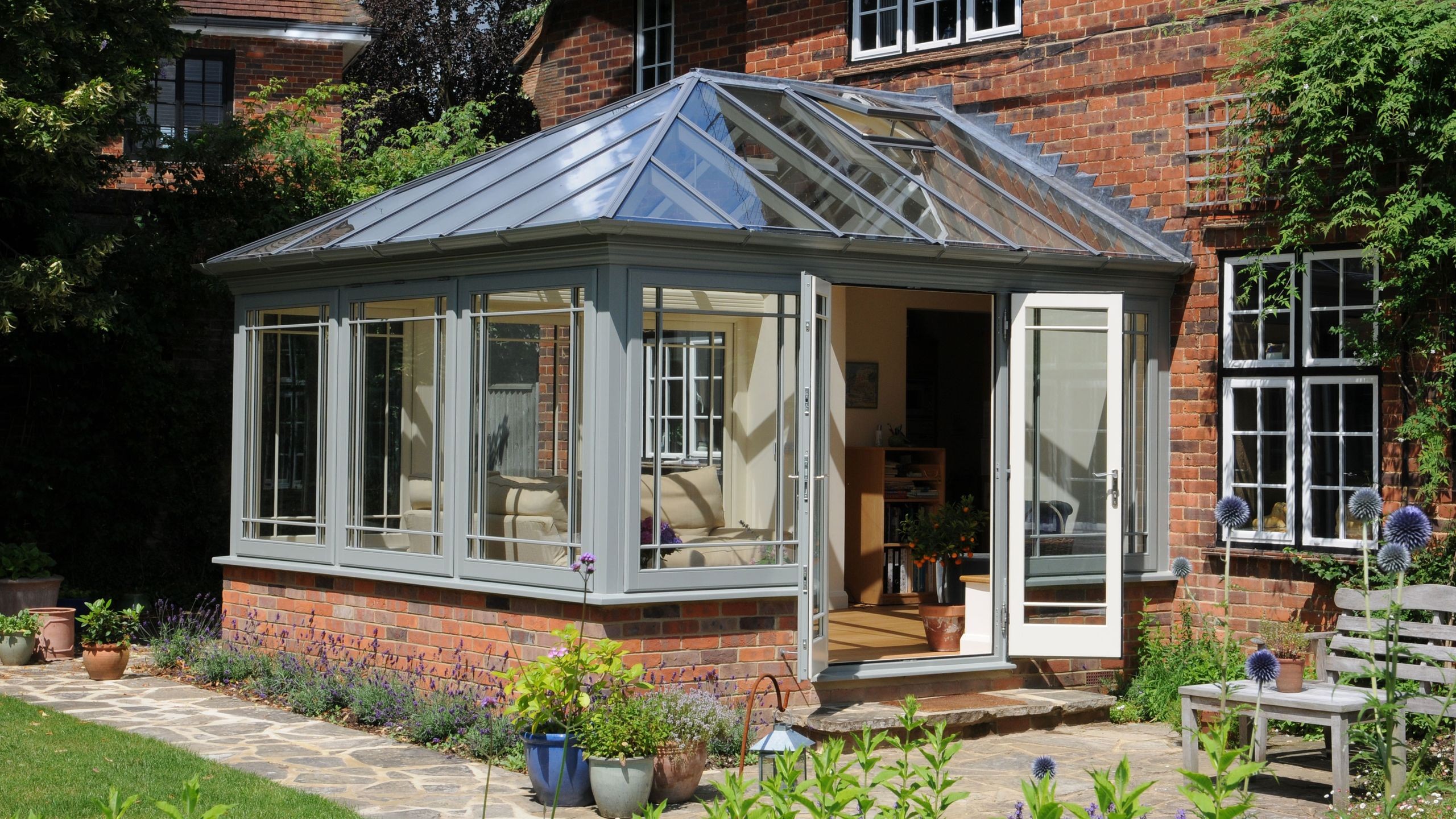
There was a time—17th century, really—when conservatories meant class.
They were status symbols. Noble people planted rare exotics behind glass and timber, showing off wealth and taste. It was sophisticated.
Then came the 1980s. And the 1990s.
Things changed. Cheap uPVC arrived. Polycarbonate roofs appeared. The glass wasn’t sealed properly. Drafts. Leaks. Condensation. The room turned into an oven in July and a freezer in December. No one cared about architecture. Just stick a plastic box on the back of the house and hope for the best.
Is it any wonder they fell out of favor?
Still. Some old ones are fine. Stylish, sunny spots exist. But most are dodgy relics.
So. What now?
Gabrielle Allen runs operations at InFrame Garden Rooms. She gets it.
‘Conservatories feel outdated.’ She’s blunt. ‘Traditional construction kills year-round use. Glass means heat in summer. Cold in winter. Air conditioning is a nightmare to install.’
Lindi Reynolds agrees. Interior designer. Founding creative director. She thinks the word ‘conservatory’ itself is the problem.
‘The concept fell from favour,’ she says. ‘British home improvement sold us plastic. Poor insulation. No regard for longevity or elegance.’ Convenient? Sure. Timeless? Not a chance.
She’s worried it might actually hurt a property sale. A poorly conceived add-on is a deterrent.
Michael Arrowsmith at Etheridge Windows plays devil’s advocate. Or rather, he adds nuance.
He wouldn’t say conservatories are dead. Just the ones from the eighties. Those old builds struggle with temperature. That makes people rethink.
The modern twist
But here is the thing. The concept isn’t bad.
Michael sees a future for the modern conservatory. It just doesn’t look Victorian anymore.
Aluminium frames. Better glass. Built to be used daily. Not just in spring.
Beth Boulton at Eurocell calls them ‘hybrid glass rooms.’
They use solid pillars. High-performance glazing. You get the light. But you keep the insulation of brick.
Why the shift?
Energy efficiency. An old polycarbonate roof loses 80% of the heat. Ouch. Modern glass has smart coatings. It reflects heat inside during winter. It bounces solar glare away in summer.
Now the space is usable. All year.
But if you don’t like hybrids, you have options.
Orangeries
These are taking over. Fast.
People want daily use. Orangeries offer that. They sit between a house and a conservatory. More brickwork. Less glass overhead. They feel like home. Warmer. Permanent.
Lindi loves the distinction. An orangery strikes a considered balance. Solid walls give privacy. Conservatories cannot do that.
The roof is the big difference. Instead of 75% glass, an orangery has a solid inset roof. Often with a lantern on top. It floods the space with light. Retains heat. Structurally sound.
You can even get tiled or lead roofs for maximum insulation. Impossible with a standard conservatory.
Catch?
Cost.
Orangeries average £2,250 per square metre.
Conservatories can start at £1,000 for a lean-to.
Garden rooms and summerhouses
Popularity has surged here. Recently.
These spaces offer an escape. An office. An annex. Or just a place to be.
Gabrielle says the indoor-outdoor feeling of the original conservatory has been hijacked. By garden rooms.
Same connection to the garden. Usable year-round.
Better materials. Fully insulated. Heating and air con are easy to add. Large doors give views without the compromises. Light. Open. But practical.
What does it cost?
Budget allows for log cabin styles. DIY. Around £1,000.
But want insulation? Heat? Electrics? Start budgeting £15,000.
High-end fully-finished designs can hit £50,000 or more.
Heavily glazed extensions
Sometimes you need an extension.
More than one room? A solid space for cooking? Build it with glass.
Extensions start around £2,200 per square metre.
They cost more than a conservatory. But they add value. Flexibility.
If pure glass extensions are too pricey, think cleverly.
Banks of rooflights. A roof lantern. Bifold doors. Sliding doors. Picture windows.
You get the light. The connection to the garden. Without breaking the bank entirely.
Can you save your existing one?
Maybe.
If you have an old conservatory staring at you from the backyard, you might hate it.
Replacement is expensive. Disruptive.
But you can renovate.
Michael Arrowsmith gets lots of enquiries for modernisation. You don’t always need to start over.
Replace the roof. Improve insulation. Add real heating. Update doors and floors.
Suddenly it’s a proper room.
Beth Bolton agrees. A ‘warm roof’ system is transformative. Lightweight tiles go over the old roof in 5 to 7 days.
It fixes the acoustics. Instantly.
Swap the frames from standard white to Anthracite or Agate grey. It mimics industrial aluminium. Looks high-end.
Keep the flooring continuous from the house. Tricks the eye. Makes it one space.
Can you still do a conservatory?
Maybe.
It just isn’t the cheap plastic box anymore.
It’s about living. Really living.