Termites get the press. They should. These are the heavyweight champions of destruction. With over 2,000 species globally, they are tiny nightmares. Look closely and you will see bodies no bigger than a quarter of an inch, pale and unsegmented. The head is squarish, maybe oval. Antennae stay straight—never curved like some other bugs—and their four wings stretch longer than the insect itself.
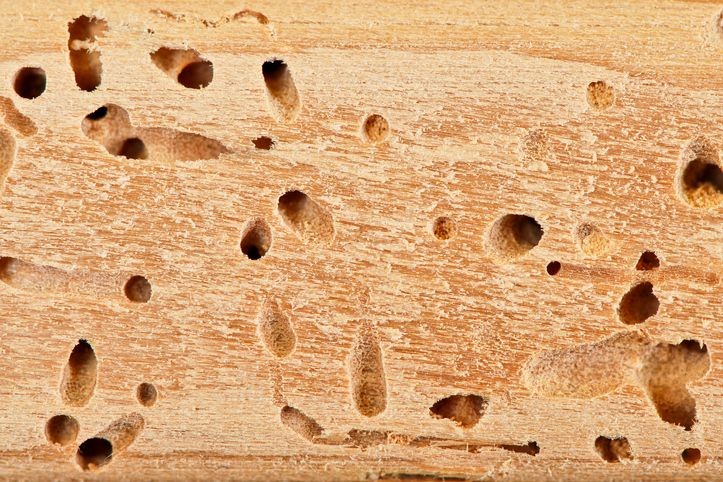
You might miss the first signs. Warped floors, squeaky boards, swelling in your ceiling? That looks like water damage, doesn’t it. Termites play that trick well. They drill pinpoint holes into your walls. No sawdust piles, usually. Instead, look for frass. Pellets that look like wood dust but are actually poop. The smell? Damp. Moldy. It can trigger allergies before you even find the bug.
In the US, you mostly battle three types. Subterranean termites nest underground in dirt and eat their way up. They are everywhere except Alaska. Yellow-brown, oval heads, soil lovers. Then there are the Dry Wood termites, hanging out in southern states, preferring dry beams in walls or furniture. And the Formosans. These guys build massive colonies. They tunnel through your house like it is cheese. Common in the South but found as far north as Virginia and out to California.
If the floor squeaks in a rhythm you don’t recognize, listen closer.
Carpenter Ants: The Tunnelers
Carpenter ants are expensive mistakes. Millions of dollars in damage annually. Here is the twist. They don’t eat the wood. They excavate it. They want a place to live.
Spotting them is easy if you look for the wrong ant. Bent antennae. A narrow waist. Hind wings that stick out longer than the front ones. Size-wise, they range from a quarter to a half an inch, usually black or red. When they work, they push out wood shavings through small holes. This frass is their signature. They like soft, wet wood. So check near your sink. Your toilet. Pools and spas are favorite hangouts.
Seeing flying carpenter ants means you have a problem. Big colonies expand by flying. They can bite you too. They inject formic acid which hurts but isn’t toxic. Painful? Yes. Dangerous to your health? No.
Carpenter Bees: The Fake-Out
Do not mistake aggression for actual danger. Carpenter bees buzz around their nests looking intense. Most of the time they are harmless to people. Only females have stingers and even then they rarely use them unless you are poking directly into their home.
They look like bumblebees. Lose the yellow stripes though. The top near the head is fuzzy and yellowish but the underside is smooth. Black. Or metallic. Their wings extend past their bodies and those antennae curve. Like the ants, they don’t digest wood. They tunnel. They leave sawdust piles everywhere. They target softwoods on the outside of your house. Decks. Furniture. Unpainted trim that has been beaten by weather.
The Silent Drills
Powderpost beetles are the runners-up to termites in terms of damage. But they prefer seasoned hardwood. They are night owls. You will rarely see them active. Instead you see the result. Tiny holes in your antique furniture or hardwood floors. Surrounding those holes is a fine, powdery dust.
The beetles themselves are brown to reddish, small, about an eighth to three-quarters of an inch long. Strong flyers. They can fly right into your house but often hitchhike in on firewood or old cabinets. They love light so if you see them dancing around a window screen in summer you might have an infestation brewing in the walls.
How do you know if the antique chair your grandmother gave you is worth more dead than alive?
Furniture Beetles: The Patience Killers
Call them woodworms. The adults are harmless reddish-brown oval beetles, about a quarter of an inch long, with segmented antennae. But the larvae are the problem. Tiny white grubs that chew through both soft and hard wood. There is a catch. The wood usually needs to be at least ten years old. They like damp places. Crawl spaces. Old flooring. Wood siding.
Adults barely fly. They have grooved wings that stay hidden mostly. But when new beetles emerge you see them. Small eighth-inch holes. More powdery frass. The adults aren’t biting you directly but they might carry parasites that cause skin irritation. Not deadly. Just itchy.
You can fight these bugs. You can seal holes. You can control moisture. Or you can just listen to the house. Sometimes it tells you everything.