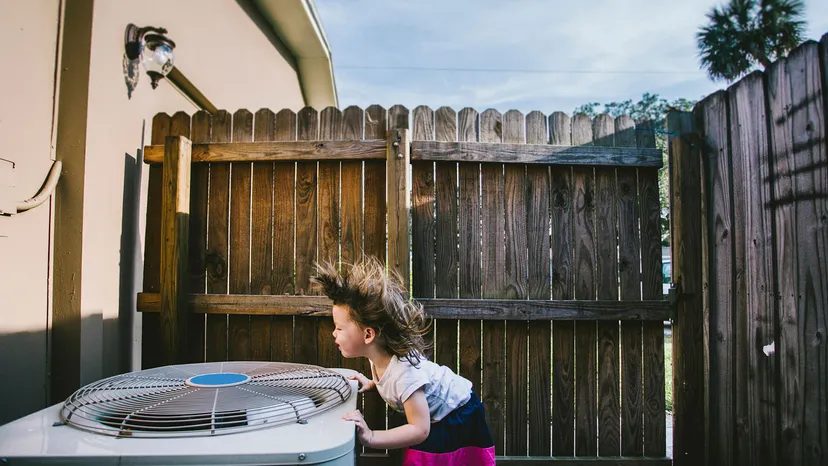
It started with a sticky paper problem.
Willis Haviland Carrier didn’t set out to conquer summer heat. He was a young electrical engineer in 1902, hired by the Sackett-Wilhelms Lithographing and Publishing Company in Brooklyn, N.Y. Their goal was simple: stop humidity from ruining the printing press.
Warm summer air was soaking into the paper stock. The layered inking techniques of the era required dry, stable material. Wet paper? That was a disaster.
Carrier’s solution was brute force physics. He blew air across chilled pipes. The air cooled down. Cool air holds less moisture than warm air. So the water pulled out of the atmosphere and condensed. The paper dried out. The printing quality stabilized.
But there was a side effect.
Lower humidity lowered the air temperature. People started noticing how much better they felt in the factory. The technology had a new purpose.
The modern air conditioning system was born from a paper jam.
From Factories to Theaters
Carrier saw the potential immediately. This wasn’t just about ink. It was about comfort.
Soon, air conditioners started popping up in theaters and department stores. These public spaces needed relief from the long, hot summer months. Crowds gathered. They stayed longer. They spent more money. The demand shifted from industrial necessity to personal luxury.
The Science Inside Your Wall
You might think AC is complex magic. It’s not.
The process relies on a simple scientific principle: heat transfer. The rest is just mechanical trickery.
Think about your refrigerator. It uses a compressor and coils to move heat from the inside to the outside. Your air conditioner does the exact same thing.
The difference? Housing.
A fridge has thick, insulated walls to keep the cold box cold. Your home uses its exterior walls to keep the heat out. The AC unit just moves the heat from inside your living room to outside your house.
It’s a pump. It pushes thermal energy where you don’t want it.
Where Does the Hot Air Go?
We’ve covered the origins. We’ve covered the basic science. But there is a missing piece.
You flip the switch. The fan spins. The room cools down.
But what happens to all that hot air once it leaves the inside of your house?
It doesn’t just disappear. It goes somewhere. And that process is where the real engineering happens.