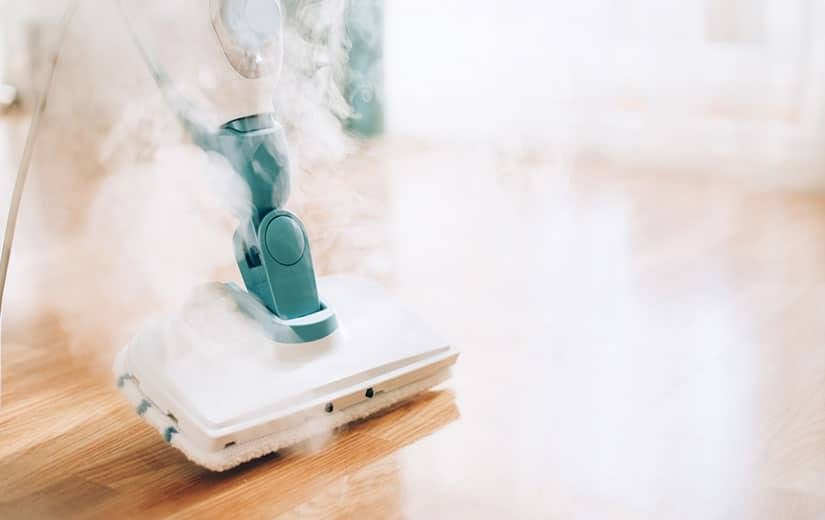
You don’t need a closet full of chemical sprays anymore. A single steam cleaner has effectively rendered half your cleaning cabinet obsolete. It pushes hot vapor into pores and crevices that a damp rag simply can’t reach. You get sterilization without the toxic fumes. You get shine without the streaks. It is the only tool you really need if you are done with the endless cycle of buying, storing, and discarding bottles of bleach and ammonia.
Why Steam Works Better Than Soap
Most people think steam is just hot water. It is not. It is pressurized heat that breaks down the molecular bonds of grease, grime, and bacteria. When water hits 212 degrees Fahrenheit, it turns into vapor. That vapor expands rapidly. It forces dirt out of grout lines and lifts sticky residue off windows.
The result is a hygienic clean. No rinsing required. No chemical residue left behind for your kids or pets to touch. You are essentially using physics to do the scrubbing for you.
Where to Start Your Deep Clean
You might be tempted to blast every surface at once. Don’t. You will run out of water or miss spots. Start with the hardest surfaces first.
Kitchen counters and appliances
Grease is the enemy here. A steam mop or handheld steamer works wonders on stainless steel. It removes fingerprints instantly. It lifts the sticky film off your stove hood.
- Tool needed: A microfiber pad. The steam melts the grease. The microfiber wipes it away before it dries and becomes a smear.
- Safety note: Steam is hot. Keep your fingers clear of the nozzle. If you are cleaning a delicate stone surface like marble, check the manufacturer’s guidelines first. Heat can sometimes damage sealed stone if the sealant is old.
Bathroom tiles and grout
This is where steam cleaners earn their keep. Grout is porous. It holds onto mold and mildew like a sponge holds water. Soapy water often just pushes the dirt deeper. Steam penetrates. It kills the mold spores at the source.
- How to do it: Move the steam head slowly over the grout lines. Let the heat do the work. You shouldn’t have to scrub hard. If you are scrubbing hard, you are missing the point. The heat is the active ingredient.
The Glass and Mirror Trick
Cleaning windows with a cloth often leaves lint. Sprays often leave streaks that catch the light in the afternoon. Steam solves both problems.
Use the narrow nozzle attachment. Hold it a few inches away from the glass. The vapor loosens the dirt. Immediately follow with a squeegee or a lint-free cloth. Wipe in an S-pattern. You get a crystal clear finish. No more expensive glass cleaners. Just pure water.
Rugs and Upholstery
You don’t need to strip and shampoo your carpets every six months. A steam cleaner lifts dirt from the fiber base. It refreshes the fabric. It removes allergens like dust mites and pet dander.
- Which method works best? For area rugs, use a steam mop with a carpet glider attachment. For sofas, use a handheld steamer.
- Caution: Ensure your fabric can
Stop treating your steam cleaner like a specialized tool for one job. If you want to justify the investment, you need a model that hits hard and adapts quickly. Look at the specs before you buy. High wattage matters. So does tank capacity. A small tank means constant refills and interruptions. A powerful motor ensures the steam stays hot long enough to actually break down grime. But the real differentiator? The accessories.
You want a unit that comes with a wide array of nozzles and brushes. Why? Because a kitchen oven requires a different tool than a bathroom tile grout line, and a carpet needs yet another approach. The best steamers let you swap heads in seconds. This versatility is what separates a gadget that sits in a closet from a daily driver. You move from hardwood floors to area rugs without switching machines. No chemical bottles. No cross-contamination.
The trick is knowing what each attachment does.
Skip the Chemicals Completely
Here is the physics of it. Steam cleaners work by blasting superheated water vapor at high pressure. We are talking temperatures that often exceed 212°F (100°C), and many professional-grade units go much higher. This heat does the heavy lifting. It melts grease. It dissolves sticky residues. It breaks down the molecular bonds of dirt.
And it kills bacteria.
You do not need bleach. You do not need harsh disinfectants. The thermal energy alone is sufficient to eliminate most common household pathogens, including bacteria, dust mites, and mold spores. Relying on chemicals with a steam cleaner is redundant at best and potentially dangerous at worst. Mixing chemicals with high heat can create toxic fumes or reactive compounds.
The method is simple: slow and steady.
If you whip the nozzle across a surface too fast, the steam condenses and runs off before it can penetrate. You need to dwell. Hold the nozzle a few inches from the surface. Move slowly. Let the heat soak in. Pay extra attention to high-traffic zones and areas with visible buildup. This patience replaces the scrubbing power you used to get from chemical agents.
Refreshing Carpets Without Drying Time
Carpets are often the last place people think to steam. They fear water damage. They worry about mold. But a steam cleaner, used correctly, can revive a tired rug or wall-to-wall carpet without the weeks of drying time associated with traditional shampooing.
The key is extraction. Most steam cleaners inject hot water and immediately suck it back up. This prevents saturation. When cleaning carpets:
- Pre-vacuum thoroughly. Remove all loose debris first.
- Use the carpet tool. Ensure you are using the attachment designed for upholstery or rugs.
- Overlap strokes. Go over the same section twice. Once to loosen, once to extract.
- Ventilate. Open windows. Turn on fans. Even with extraction, residual moisture remains.
This process lifts deep-seated allergens and stains that regular vacuuming misses. It’s not just cleaning. It’s renovation of your existing materials. You are extending the life of the carpet by removing the abrasive grit that wears down fibers.
But what about delicate surfaces? Steam isn’t universal.
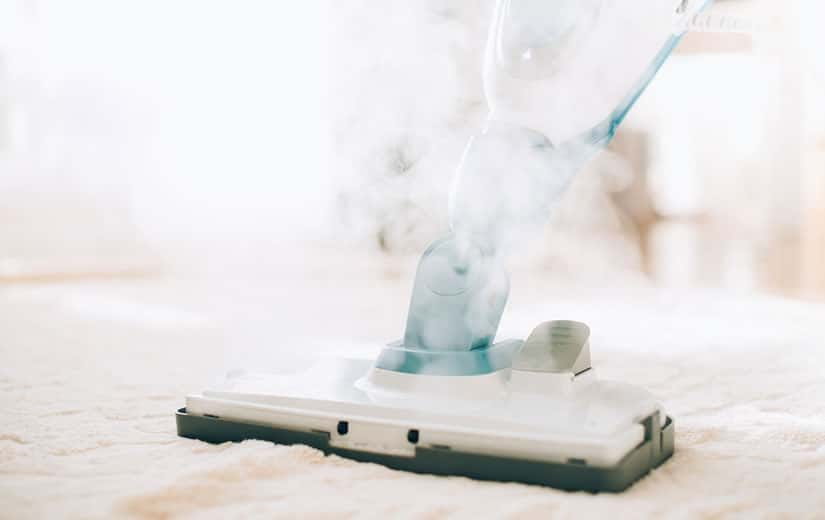
Steam cleaners are not just for stubborn floor grime. They are the secret weapon for homeowners who want a deep clean without toxic chemicals.
If you have rugs in your home, this device becomes indispensable. It refreshes fibers and kills bacteria in minutes.
How to deep clean rugs with steam
Start with a heavy-duty vacuum. You must remove all loose dust and debris first. Trapped dirt turns into mud if you add moisture too soon.
Once the rug is dry and vacuums, begin steaming.
Move the steam head in vertical and horizontal passes. This cross-hatching technique ensures you penetrate the pile depth.
For heavily soiled rugs, you can enhance the cleaning power:
- Add a few tablespoons of washing soda to the water tank.
- Or add a few drops of mild laundry detergent.
- Steep the stain with this solution for a minute or two.
Crucial step: Drain the tank. Refill with clear water only. Run the steamer over the same area again. This flushes out any soap residue. Leftover detergent attracts dirt faster later on.
Let the rug air dry completely. Open windows or use fans. A damp rug breeds mold. A dry rug feels new.
Cleaning windows and mirrors without streaks
Glass cleaning is usually a battle with streaks. Steam changes the game.
Heat loosens the grime. The squeegee wipes it away before it can dry.
Attach the window washer nozzle. Wrap a microfiber cloth around the squeegee blade. This protects the glass from scratches and absorbs loose dirt.
Wipe from top to bottom. One continuous stroke per pane. Do not overlap excessively.
For a final shine, remove the cloth. Use the bare squeegee with the steam on. The pure heat and pressure leave a crystal-clear finish. No streaks. No lint.
This method works best on bathroom mirrors and exterior windows. Interior glass can be done too, but keep an eye on condensation.
Sanitizing mattresses and duvets
You spend a third of your life in bed. Is your bedding clean?
Steam penetrates fabric better than surface sprays. It kills dust mites and allergens without leaving chemical residues.
Use the fabric nozzle attachment. Keep the steamer moving constantly. Hold it about an inch away from the surface. Do not press hard. You want to steam, not soak.
Move slowly across the mattress. Focus on areas where you sweat or spill.
For duvets and comforters, this is a game-changer. You can refresh them between washes. Heavy washing can damage down clusters or synthetic fills over time. Steam revitalizes the loft and eliminates odors.
Let the bedding dry fully before making the bed. Humidity is the enemy of sleep quality.
This approach covers the hidden spots. The ones you touch every day but rarely think about. Your home feels different when these basics are handled. The air feels lighter. The space feels larger.
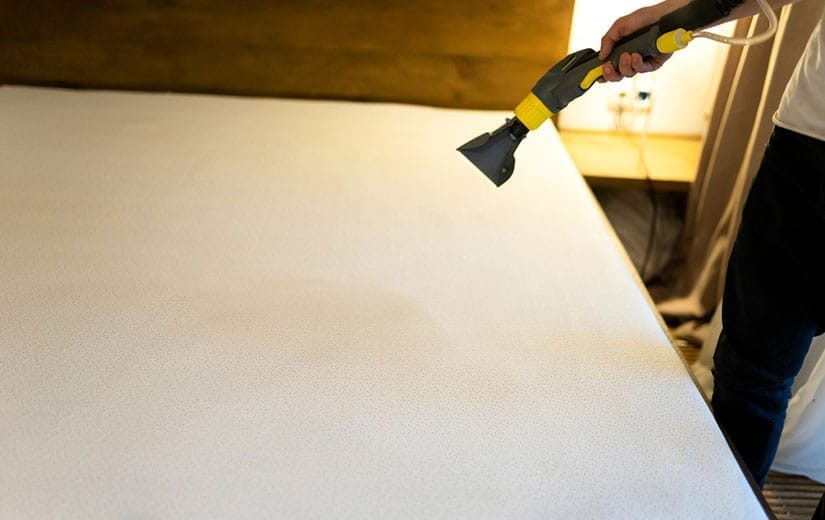
Steam is a genuine game-changer for killing germs in mattresses and comforters. You don’t need expensive chemicals. Just your steamer.
Start by stripping the bed. Pull off the sheets and the duvet cover. Attach the right nozzle to your machine. Glide it slowly across the entire surface of the mattress. Don’t rush. Move horizontally first. Then go vertical. Make sure you hit the sides and edges too. These are often missed spots where dust mites hide.
Flip the mattress over. Repeat the process on the other side.
Then comes the most important step: ventilation.
Open the windows wide. Or take the mattress outside if you have the space. This isn’t just about drying. It’s about preventing mold. Trapped moisture is a recipe for fungal growth. You want fresh air to carry that humidity away while the residual heat continues to sanitize the fibers.
Do the same for your down comforters. Throw in the curtains. The duvet covers. The pillows. If it’s heat-tolerant textile, it’s fair game.
Tap Water: The Misunderstood Choice
Here is where most people get it wrong.
They think they need expensive distilled or demineralized water. They don’t.
While manufacturers won’t explicitly forbid detergents, save them for extreme emergencies. Maybe you’re tackling a stubborn stain on a carpet or a grimy floor. That’s where additives make sense. For daily maintenance? Stick to tap water.
It’s safe. Modern steam cleaners have improved significantly. They handle limescale far better than older models did. There is no myth here. No hidden danger in using your standard faucet water. Save your money. Save your device.
Protecting Your Textiles from Heat Damage
You can steam almost any textile in your house. Carpets. Mattresses. Curtains. Pillows.
But textiles are delicate. Heat is aggressive.
The key rule is speed. Do not hover.
Never stay in one spot for more than five seconds. If you linger, you risk burning the fabric or leaving water stains. Keep the steamer moving. Use slow, repetitive back-and-forth motions. Let the steam do the work. You are just guiding the heat.
If you rush, you might miss spots. If you linger, you cause damage. Find that rhythm. The fabric should feel warm, not scorched.
It’s not magic. It’s just physics. And patience.