There’s a lot of bad advice out there about planting. People assume flowers need pampering. They don’t. Especially if they love the sun.
These aren’t delicate indoor plants begging for coddling. These are survivors. Thirsty. Hardy. Built to handle the glare without turning to mush.
You want color? You want life that stays put and spreads on its own? Look at the list. Don’t just read it. Use it.
Ground Huggers and Mats
Some plants stay low. Good idea, too. Less surface area means less water loss.
Yellow Alyssum (Aurinia saxatilis ) goes by the better name basket-of-gold. It’s a mat former. Low. Bright yellow flowers in spring. Easy to keep under control—cut it in half after it blooms. Don’t drown it. Poor drainage kills it fast.
Snow-in-Summer (Cerastium tomentosum ) sounds romantic. It looks it, too. Silver leaves, white flowers, late spring vibe. Pairs well with roses. Coneflowers. Whatever pops. Deadhead the flowers though, or it seeds everywhere. And tidy up dead leaves. A messy rock garden isn’t cute. It’s sad.
Lamb’s Ear (Stachys byzantina ) feels like velvet. Actually feels like a lamb’s ear, if you’ve ever held one. Silvery, dry-loving, deer don’t touch it. Bees love the tiny pink/purple blooms, even if humans barely notice them. Humidity? The enemy. It rots in wet conditions. Keep the soil dry.
Hens and Chicks (Sempervivum tctorum ). Succulent. Rosettes. Parents die after blooming, usually in summer. Chicks take over. It’s natural cycle stuff. Don’t water too much. Good drainage is the only rule that matters.
Blue Star Creeper (Isotoma fluviitlis )? It’s grass, but not really. Tiny. Two to three inches tall. Never needs mowing. Purple/blue star flowers from spring to fall. Takes light foot traffic. Fills bare patches without looking like an afterthought.
The Bloom Machines
Then you’ve got the plants that just keep going.
‘Autumn Joy’ Stonecrop (Hylotelephiam ‘Herbstsfreide ’). The name says it all. Late bloomer. Pink/red flat heads in September. October. While everything else is dying, this thing is partying. Cut it back in late spring and midsummer. Keeps it sturdy. Prevents flopping. Bees go wild for stonecrop. All of them.
Yarrow (Achillea millefolumium ). Flat-top flowers. White mostly, but pinks, reds, yellows exist. Butterflies. It spreads aggressively. Let it, unless you want yarrow in your driveway. Then cut it back after first flowering. Keeps it tidy. Keeps the butterflies coming.
Shasta Daisy (Leucanthemum superbum ‘Beckey ’). Classic. White rays, yellow disk. Summer statement. Wet soil kills it, especially winter. Dry is fine. Cold snaps? It laughs at those. Deadhead to keep it blooming. It’ll spread. Keep an eye on it, or it owns the garden.
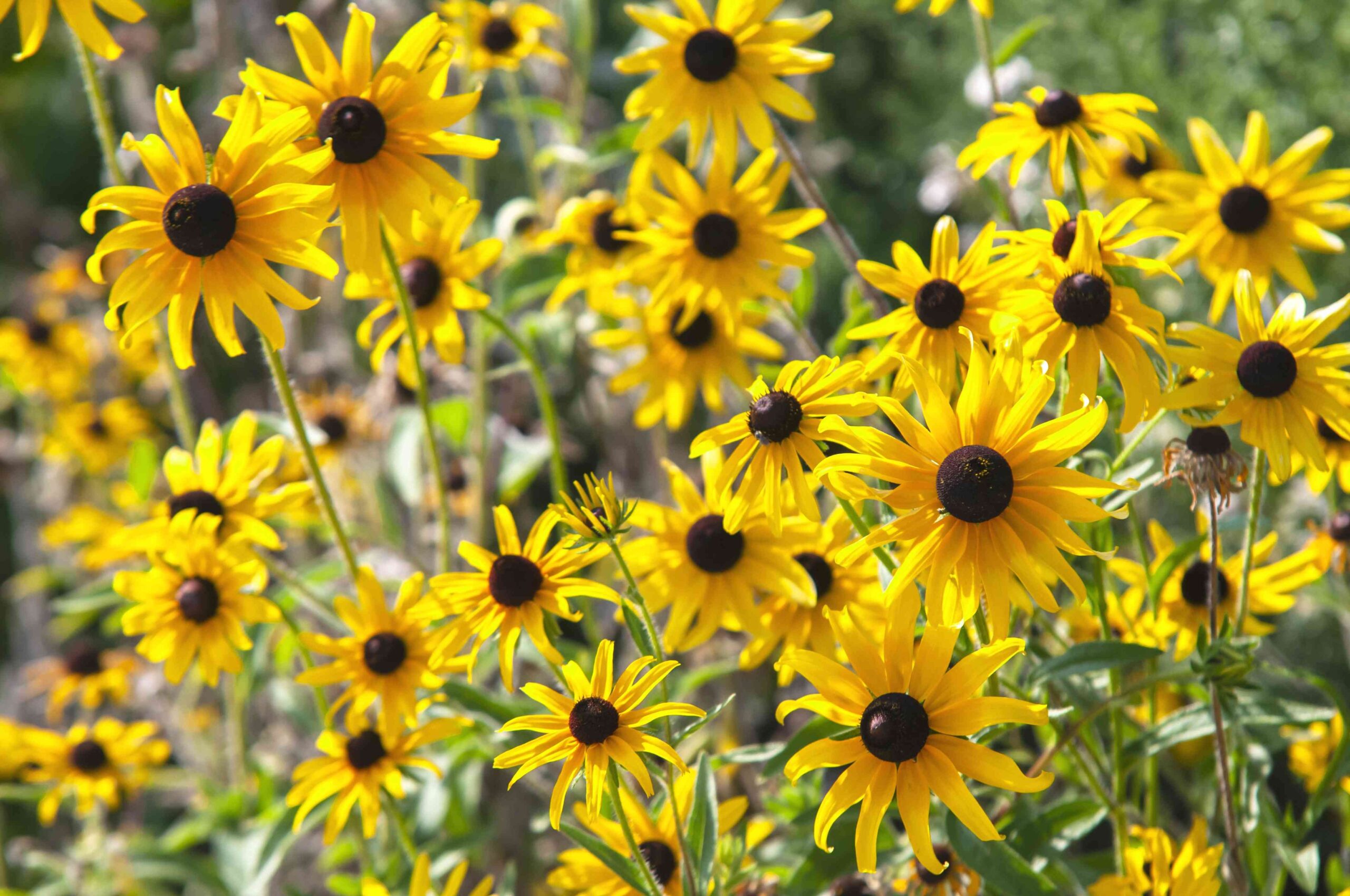
Black-Eyed Susan (Rudbeckia hirt ). Self-sowers. Fast. Hundreds of seedlings from one plant. That’s great until air doesn’t circulate. Then you get mildew. Divide them. Space them. Deadhead if you don’t want seeds everywhere. Birds eat the seeds, obviously, but if you control the bloom, you control the crowd.
Threadleaf Coreopsis (Coreopsis verticilata ). Also called tickseed. Blooms June through August. Yellow. Aggressive via rhizomes. Pull it back in late summer. Encourages fall bloom. Stop self-seeding by removing faded blooms. Easy going? Yeah. Until it takes over.
Aromatic and Structural
Some plants do more than just look pretty.
English Lavender (Lavandula angstifolia ). Smells great. Looks great. Keeps pests away. Dried flowers for sachets? Yes. Prune in spring when new leaves appear. Shape it. Remove old stalks to extend the bloom into August. Dry conditions are non-negotiable. Wet feet kill lavender. Instantly.
Catnip (Nepeta cataria ). Cats love it. Humans can eat it. Drought tolerant. Likes full sun, handles afternoon shade. Wet soil is its kryptonite. Water only when dry. Remove flower spikes to keep blooming. Divide when crowded. It blooms spring to fall. Relentless.
Salvia (perennial types). Not the annual red ones you know. Perennials are blue-violet. Mostly. Some pink ones exist. May Night. Caradonna. Easy. Minimal maintenance. Remove spent spikes to keep summer-to-fall color.
Catmint (Nepeta sp ). Mint family. Related to catnip, but not quite the same. Gray-green leaves, lacy. Purple/pink/white spikes from early summer to fall. Few pests. Almost problem-free.
The Big Ones and Latecomers
For when you want height and impact.
Blanket Flower (Gaillardia ). Orange. Red. Yellow. Daisy-like. Spreads into a mound. Blankets the ground, hence the name. Early summer to fall bloom. Loves heat. Loves other heat lovers. Easy. Short-lived perennial, so expect to rotate or propagate.
Daylily (Hemerocallus sp ). Tough. Drought tolerant. Handles heat. Most soils. Borders. Edging. Blooms spring to late summer in red, orange, pink, yellow. Clumps vary in size. Just… plant it. It grows.
Heucherella. Cross between coral bells and foamflowers. Compact. Attractive leaves. Don’t give it more than six hours of direct sun or it burns. Pink or white flowers. Spring to summer.
Hostas. Shade plants, usually. But some—like gold leaf varieties—need partial sun. Morning sun, afternoon shade is ideal. Hot afternoon sun? Scorch. They take years to mature, sixish. Then they bloom purple or white on tall spikes. Wait for it.
Aromatic Aster (Sympyiostrihum oblomifolumium ). Native North American. Dense low mounds. Purple flowers, late summer to frost. Deer ignore them. Rabbits too. Drought tolerant. Border material. Edging material.
Lady’s Mantle (Alchimila mollis ). Scalloped leaves. Chartreuse flowers, sparse, late spring. The leaves are the star. Ground cover. Self-seeds freely. It goes everywhere. Keep an eye on the spread.
Garden Mums (Chrytsamthmum sp ). Daisy family. Fast growers. Bloom in first year. Huge color palette. Red. Pink. Orange. Green? Yes. Green mums exist. Maroon. Bronze. Easy. Borders. Containers. Butterflies in fall.
Russian Sage (Salvia aei ). Low maintenance. Drought tolerant. Xeriscape king. Tall panicles. Summer to fall. It handles high heat like nothing’s happening. If you have rock, plant this. It fits.