


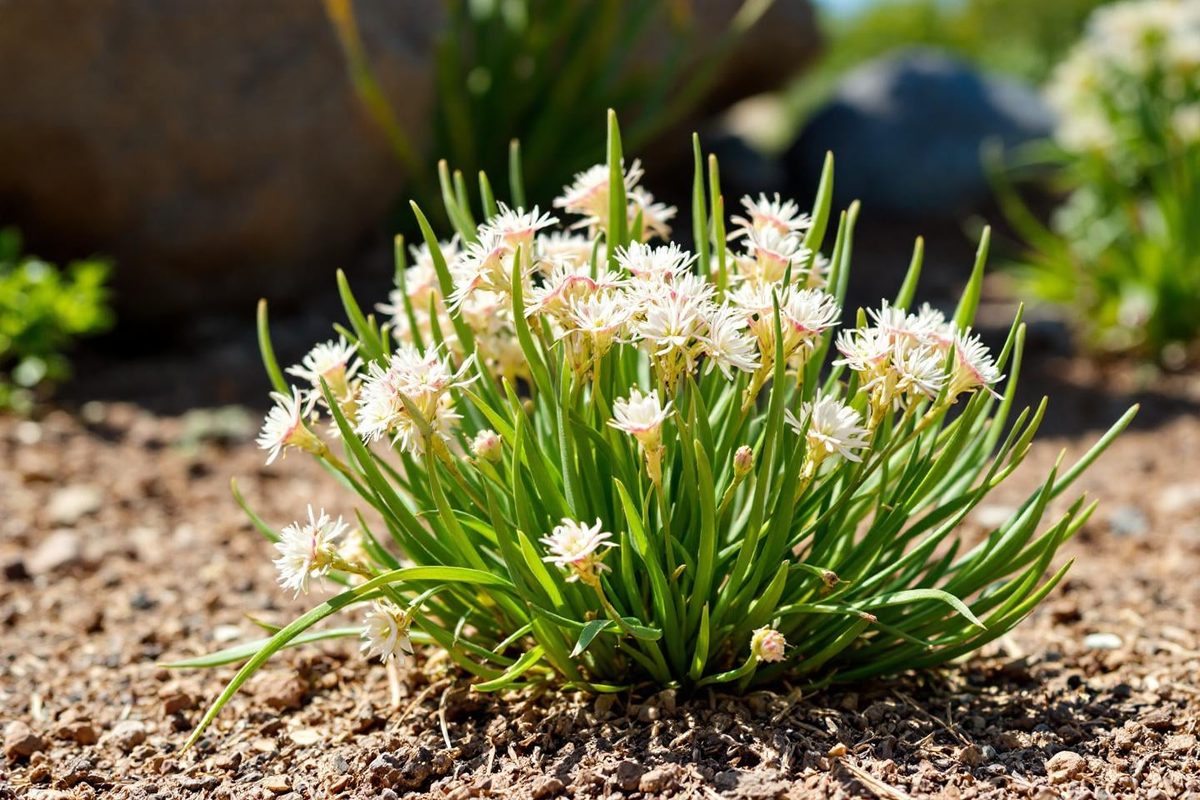
The gardening community is abuzz with certain changes happening right now. If you’ve been walking around a garden center or scrolling through social media lately, you may have noticed that plants that used to be an afterthought are now getting attention. It is neither a showy peony nor a demanding rose. Flowers that were previously ignored are now suddenly everywhere.
This is not hype. This is a practical response to climate change and changing design tastes. The plant in question? Gaura. Also known as Gaura lindheimeri or bee flower.
From being just a companion plant at the back of the list, it has become a centerpiece of the modern landscape. Why does this happen? And if you’re designing your own bed, why should you care?
Rise of a Former “Filler” Plant
Gaura Lindheimeri has been in the shadows for decades. It’s the plant you buy to fill in the gaps because it’s cheap and doesn’t require much effort. Instead, classic French garden staples like lavender and hybrid tea roses got all the attention. They were the stars. Gaura is just… background noise.
It has changed.
This change is no accident. It was driven by necessity. As summers heat up and water restrictions tighten in many areas, gardeners have to adapt. They need plants that can withstand high temperatures without constant hydration. Rooted in Texas and Oklahoma, Gaura has this DNA.
It turns out that this “wildflower” has adapted to harsh conditions. It grows well even in poor soil. It handles dryness like a champ. Unlike many perennials that require care, it doesn’t need deadheading to keep blooming.
Key Insight: Gaura isn’t just surviving This plant thrives because it meets modern requirements for low-water and efficient gardening.
Now it can be seen on the balconies of dense cities and in vast country gardens. Its charm lies in its lightness. It doesn’t shout. It whispers. This is exactly what modern gardeners are craving.
Visual appeal: more than just white flowers
Aesthetics are important, so let’s talk about what it actually looks like.
Gaura’s structure differs from typical “bushy” garden plants. Very airy. It is very stylish. The stems are thin and wiry, supporting clusters of small flowers on long, arching spikes.
Why is it visually unique?
The Bloom Structure: each flower has four petals. They look like butterflies or moths caught in mid-flight.
The Color Palette: flowers are usually white or soft pink. But here’s a trick. The buds are pink and turn white when they open. This means that the plant will always look different, even if it is the same flower.
The Movement: the flowers are attached to thin stems and sway in the wind. Gaura’s bed seems to be floating. Gives a sense of movement to the calm area.
This visual effect is difficult to replicate. Most perennial plants have a heavy, grounded appearance. Gaura will float. In gardens with a harsh landscape (stone terraces, concrete walls), this softness is valuable. It breaks up the lines. Add texture without adding weight.
Why Gaura is suitable for modern landscapes
Modern garden design strives for minimalism. clean lines. Limited plant palettes. Reduce clutter.
Gaura is a perfect fit for this aesthetic for several reasons.
First, you don’t need support. Unlike delphiniums and peonies, they do not fall during rain. You don’t need stakes. No need for a cage. This makes maintenance easier, especially for homeowners who want beauty without the hassle.
The second is that it is perennial. Plant it once and it will come back year after year. It spreads slowly and form neat clumps, but they won’t take over your garden like invasive species. It stays put. It behaves.
Third, the flowering period lasts several months. Depending on the climate, Gaura can start blooming in early summer and continue blooming until the first frosts. That’s a long time for color and interest. Most plants flower for several weeks before producing seeds. Gaura continues the show.
Who is Gaura suitable for?
you might be


Gaura, often referred to as whirling butterflies, is the definition of simple elegance. It looks like you are working hard, but you end up with a plant that asks for next to nothing. It thrives in harsh sun and in the shade on the balcony.
Why Gaura Wins in Dry Climates
Even though heat waves hit and other perennies wilt, Gaura continues to bloom. Since it grows in dry areas, it handles drought like a pro. This makes it ideal for urban gardens where the weather is unpredictable. Adaptability is key in 2025. Gaura delivers.
Do not overwater. Wait until the soil is dry between waterings. As long as the soil is well drained, the plant will stay healthy and bloom. This frugality fits perfectly with the “sustainable garden” trend. Homeowners want beauty without the waste.
Long Blooms with Zero Effort
This year’s biggest selling point is the longevity of its blooms. Most flowers fade within a few weeks. Gaura stays in display mode for 4-6 months. It lasts from spring to the first frosts.
It also cleans itself. Deadheads? You don’t need to bother. Plants shed old flowers by themselves. This saves time and keeps it fresh. Who wouldn’t want a colorful summer with little work?
How to Style Gaura in Your Beds
Gaura blends into any style. Goes well with other textures and heights.
Pairing Gaura for Visual Impact
Its airy shape softens the heavy plantings. Mix with ornamental grasses, salvias, rudbeckias, or lavender. The result looks like an impressionist painting. Urban designers use it to add movement and lightness to compact spaces.
Color options vary. You can get pink, pure white or bright fuchsia. Choose the shade that suits your mood. Plant 3-5 stems per square meter for a dense, professional look.
Planting and Care Basics
Success depends on several steps. Plant in spring or autumn. Use light, well-drained soil. Keep it slightly damp at first to help it establish. Add some compost, but don’t fertilize too much.
Prune lightly in late winter. This encourages new growth. In most of France, a light mulch protects it through the winter. It’s tough. It requires very little care. This will greatly reduce your gardening time.
Why Gaura will rule the gardens in 2025
Low maintenance and eco-friendly
Gone are the days when gardening meant constant chemical treatment and lots of watering. Gaura is emerging as a practical response to this change. No need for pesticides. Does not require intensive care. So it’s perfect for anyone who wants to save water and support local biodiversity.
This plant is virtually immune to most pests and diseases. That reputation lasts a long time. With a little effort, you can get a lively bed full of flowers. It also attracts pollinators. Bees and butterflies love it. It handles dryness like a champ. This resilience, the demand at garden centers will skyrocket in 2025. People are tired of demanding lawn care. They want a natural, no-nonsense look.
Why the sudden comeback?
The flowering time is longer. The texture is light. Adaptability is real. These three factors have led to a rapid resurgence in popularity. Now you see it everywhere. From the countryside to dense city apartments. White and pink flowers dance together in the wind. It energizes the landscape without stressing it.
There is a nod to tradition here. Farmers have been planting these plants around their properties for many years. Today, it is at the heart of modern eco-friendly design. It is no longer an afterthought. It’s the star.
Gaura lindheimeri has become popular in 2025, especially among French gardeners. Change the whole atmosphere of your bed. It combines environmental protection and simple elegance. If you want to freshen up your outdoor space, this plant will give you the boost of renewal that everyone has been talking about this year.
Planting and care basics
You don’t need a degree in botany to grow it. Here’s what you need to do:
- Soil: Good drainage is non-negotiable. Gaura hates wet feet. If you have clay soil, amend the soil with gravel or sand before planting.
- Sunlight: Full sun is best. At least 6 hours a day. The more flowers, the better.
- Watering: Allow to dry between waterings. Once established, additional watering is rarely needed unless experiencing an extreme heat wave.
- Pruning: Deadheading is not always necessary, but it can help. Cut stems in half in late winter or early spring to promote fresh, vigorous growth.
The tools are simple. A hand trowel. gloves. Sturdy pruning shears can be a good idea for spring pruning. For safety reasons, be aware of tripping hazards when planting near paths, as strong winds can cause the stems to get tall and floppy.
This is a plant that never needs to be pampered. In a way, it thrives on being ignored. That’s the appeal. You plant it. You wait. You enjoy the flowers.


