
Outdoor living spaces are no longer just a nice-to-have. They are becoming standard fixtures in American homes. Large decks, extravagant patios, and fully equipped outdoor kitchens are everywhere. People want to turn their backyards into seasonal living rooms. This trend works well in spring, summer, and even fall for many homeowners. But there is a catch.
Wood and composite materials do not forgive neglect. Even pressure-treated lumber rots. Sun, humidity, and standing water turn a beautiful wood oasis into a dingy mess in weeks. You need a plan. Here are five ways to keep your deck from falling apart.
5. Be Observant
Many people assume that because a deck is sturdy, it can take a beating. For a few years, sure. But a deck faces harsher conditions than almost any other part of your house.
Think about it. A vertical wooden wall sheds rain quickly. A horizontal deck board holds water. The sun hits it directly. There is no roof to block the UV rays. Add in foot traffic, pet claws, and leaves blowing in from nearby trees. It ages fast.
Nails work their way out. Boards warp. Cracks appear. Dirt, pollen, and bird droppings stain the finish. These issues do not happen overnight. They creep in.
You need to look closely. Check for insect activity. Look for mildew growing in the cracks. Inspect the stairs for loose treads. Wiggle the railings. If they wobble, you have a safety hazard. If you see water pooling, you have a drainage problem. Spotting these signs early lets you fix small issues before they become expensive repairs.
Installing a deck could net you an 80 to 90 percent return on investment when you go to sell your home.
This isn’t just about curb appeal. It is about structural integrity. A well-maintained deck adds value. A rotting one subtracts it.
4. Provide Regular Maintenance
Routine care is the difference between a deck that lasts ten years and one that lasts twenty. You cannot wait for something to break before you act.

Stop letting moisture ruin your outdoor space. Water is the enemy of both wood and composite materials, causing rot, splitting, and mold. You need a shield.
Why Sealing Matters
Pressure-treated wood fights off insects and rot to a degree, but it isn’t invincible. Without protection, it cracks. It splits. It fails. Applying a deck preservative is the only reliable way to stop water damage, fungal growth, and UV light from destroying your investment.
You have choices. Sealers, stains, and paints all work differently. They look different. Some even include fire retardants. But they all share one flaw: they wear out.
There is no magic bullet. No product offers lifetime protection for wood. You must reapply.
When to Reapply Deck Sealer
Timing is everything. If you seal during rain, it won’t stick. If you seal when it’s too cold, it won’t cure.
Wait for stable temperatures. Wait for a five-day window with no rain forecast. Fall is usually the sweet spot.
How often does it need to be done? Once a year is the standard for most products. Newer formulas might stretch that to three or four years. Don’t count on it. Assume you’ll be doing this annually.
“The most important thing you can do to protect your investment is to reapply a wood sealer on a regular basis.”
Preventing Scratches and Gouges
Your deck is flooring. Treat it like it is.
High heels dig into wood. Dog claws leave marks. Furniture legs scratch. Stop treating it like dirt.
Lift your furniture before moving it. Don’t drag. Keep your pets’ nails trimmed. It sounds basic, but most damage happens in seconds.
The Truth About Pressure Washing
People love pressure washers. They think high pressure equals clean.
It doesn’t.
Pressure washing can splinter wood. It can force water into seams. It can void warranties on composite decking.
If you must use one, rent it from a local home improvement store. Use the lowest setting possible. Keep the nozzle moving. Don’t hold it in one spot.
But often, a simple sweep and a mild soap solution is enough. Check your manufacturer’s guidelines before turning on the hose.
Daily Maintenance Habits
Small habits prevent big repairs.
Sweep your deck. Frequently. Wet leaves hold moisture against the wood. That moisture leads to mold. Mold leads to rot.
Keep shrubs back. Two feet is a good buffer. Especially on the shady side. Shade keeps things damp. Dampness kills wood.
Use a five-in-one painter’s tool. It fits into the gaps between floorboards. Clear out the debris. Prevents rot from hiding underneath.
Clean stains immediately. Food. Bird droppings. If you wait, they set. Once they set, they stain.
Elevate potted plants. Airflow underneath prevents moisture buildup. Move them around. Don’t let them sit in one spot for months.
Your deck lasts longer when you pay attention. Not when you ignore it.
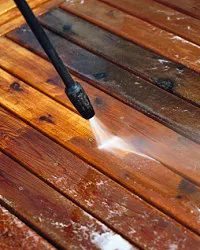
You can buy the most expensive preservative on the market, but it won’t stick to dirty wood. Period. Prepping a deck for its next coat of waterproof sealant isn’t just about spraying it down. It’s about stripping away the grime, the loose fibers, and the old finish so the new stuff has something real to grab onto.
Pros don’t just wing it. They use pressure washers paired with specific cleaning agents. The goal is to lift the dirt without destroying the wood fibers underneath.
Cleaning Chemistry: Oxygen Bleach vs. The Rest
If you’re standing in the aisle looking at bottles, oxygen bleach is your best friend. It’s foaming. That foam helps lift grime so you don’t have to scrub until your arms give out. It’s also gentle on your landscaping. You can wash it off, and the plants keep living.
Chlorine bleach? TSP (Trisodium Phosphate)? Those are options. But they’re caustic. They kill the grass. They can damage the wood if you aren’t careful. Oxygen bleach works hard while staying environment-neutral.
The Pressure Washer Debate
This is where people mess up. There’s a war going on among wood experts.
One side says high-pressure water shreds wood. It leaves the surface rough as sandpaper. Then you have to resand everything. The other side says the damage is minimal. They claim the speed of cleanup outweighs the risk.
If you choose to use the washer, start low. I mean really low. Try 500 psi. That’s pounds per square inch. See what happens. Work your way up only if you have to.
Read up on using a pressure washer on wood before you pull the trigger.
You need a smooth motion. No jerking. No stopping in one spot for too long. You’re not casting spells. You’re cleaning. If you’re doing stairs or spindles, get a shorter wand. You need control in tight corners.
The Drying Rule
Stop. Wait.
Your deck is clean. It looks wet. It might look dry in patches. It is not dry.
You need to wait. Three dry days at temperatures above 40°F (4°C).
If you apply sealer to damp wood, it traps the moisture. The sealer turns tacky. Sticky. It stays that way for weeks. Or months. You’ll never get that sleek finish you’re chasing.
Follow the Instructions
Building the deck was about looks. Maintaining it is about following rules.
Wood looks tough. It isn’t. It’s porous. It’s reactive. When you use solvents or high-pressure water, you are changing its state. The manufacturers of deck products know exactly how their chemicals interact with wood fibers. Almost all of them will cause problems if you ignore the label.
It sounds repetitive. It sounds hokey. Read the instructions.
Here is what happens when you don’t:
- Washing against the grain leaves permanent cut marks. You can’t sand those out easily.
- Applying sealer in cold weather or before rain creates a sticky mess.
- Messing up this year ruins your look next year. And the year after.
Keep it simple. Read the directions. Follow them. Every time. Your future self will thank you.
More Ways to Protect Your Deck
We’ve covered the clean. We’ve covered the prep. But protection is an ongoing process. There are lots of ways to keep the wood from rotting, fading, or splitting.
Research your specific wood type. Cedar needs different care than pressure-treated pine. Don’t guess. Check.
The sun is always beating down on you. The rain is always waiting. The deck doesn’t care if you’re busy. It just keeps aging.
Start with the clean. Then build from there.