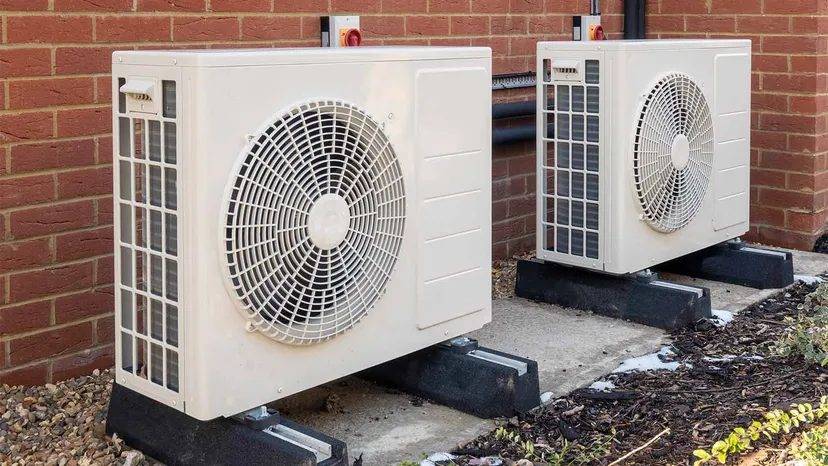
Most people assume cooling a building means firing up an air conditioner. You buy a unit, you install it, and you pay the electric bill. But there is a different option that most homeowners overlook. It is called a heat pump.
You might not think of it as a cooling device at first. Heat pumps are famous for heating homes in winter. But they do both. The core question remains: how does a heat pump work?
The answer is simpler than you might expect. A heat pump does not generate heat. It moves it. It uses a small amount of electricity to transfer thermal energy from one place to another. In winter, it pulls heat from the outside air or ground into your home. In summer, it reverses the process. It pulls heat from your indoor air and dumps it outside.
Think of it as a reverse air conditioner. If you understand how a standard AC unit operates, you already understand the basics of a heat pump. They share the same fundamental components. They use refrigerant. They use compressors. They move heat rather than creating it through combustion.
Why Efficiency Matters
The real advantage here is efficiency. Standard HVAC systems often require two separate units. One for heating. One for cooling. You need ductwork. You need maintenance for two different machines.
A heat pump combines both functions into a single system. There is no need to burn fuel. Gas furnaces create heat by burning natural gas. Heat pumps move existing heat. This makes them significantly greener. They also tend to save money in moderate climates. If you do not experience extreme cold or extreme heat, a heat pump can lower your monthly bills.
But how does this magic happen? Specifically, how does an air-source heat pump handle the job?
The Mechanics of Heat Transfer
To understand the cooling cycle, you need to look at the components. There are four main parts in the loop.
- The Evaporator Coil: This is where the refrigerant absorbs heat.
- The Compressor: This pump pressurizes the refrigerant gas.
- The Condenser Coil: This is where the refrigerant releases heat.
- The Expansion Valve: This lowers the pressure of the refrigerant.
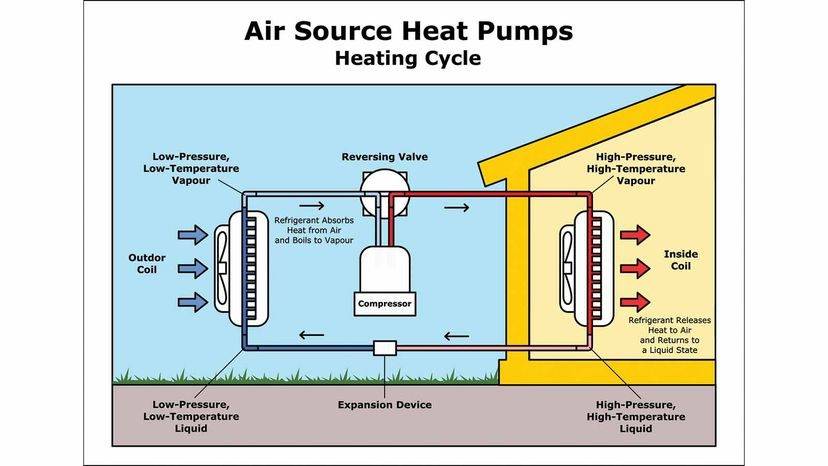
In cooling mode, the indoor unit acts as the evaporator. Warm air from your home blows over the cold evaporator coil. The refrigerant inside the coil absorbs that heat. It turns from a liquid into a low-pressure gas.
That gas travels to the compressor. The compressor squeezes the gas. This increases its temperature and pressure. Now it is a hot, high-pressure gas.
This hot gas moves to the outdoor unit. Here, the fan blows outside air over the condenser coil. The refrigerant releases its heat into the outdoor air. It condenses back into a liquid. The hot air is blown away.
The liquid refrigerant then passes through the expansion valve. Pressure drops. The refrigerant cools down rapidly. It is now cold and ready to absorb more heat. The cycle begins again.
“Heat pumps work extremely efficiently because they simply transfer heat rather than burn fuel to create it.”
Is It Right for Your Home?
This process is effective in moderate climates. If you live in an area with mild summers, the heat pump handles the
How Ground-Source and Absorption Heat Pumps Shift the Paradigm
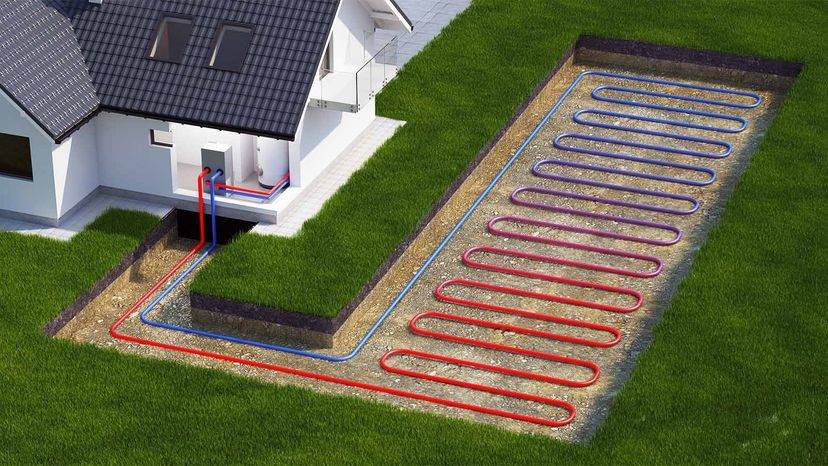
Air-source units are the bread and butter of residential HVAC, but they aren’t the only players. If you’re looking at ground-source heat pumps, you are looking at a different beast entirely. Instead of pulling warmth from the fluctuating outdoor air, these systems tap into the earth. The ground temperature stays relatively stable year-round, even when the air above is freezing or sweltering. This consistency is the main draw.
You’ll find two main configurations here. Horizontal loops bury pipes in trenches across your yard. Vertical loops drill deep shafts, which is necessary if you have a small lot. Both methods circulate a fluid that absorbs heat from the soil and delivers it to your home. The upfront cost is higher due to the excavation or drilling required, but the efficiency gains often offset that over time. You’re essentially using the planet as a massive, stable battery for thermal energy.
Then there’s the absorption heat pump. It’s less common in standard homes but worth knowing about. While standard pumps use an electric compressor to move refrigerant, absorption units use heat—often from natural gas, propane, or even solar thermal energy—to drive the cycle. Think of it as swapping electricity for fuel heat to do the mechanical lifting. This makes them ideal for places where electricity is expensive or where waste heat is readily available. They’re quieter too, since there’s no bulky compressor rattling away.
Why Choosing the Right Type Matters for DIYers
Most homeowners won’t be installing a ground-source system themselves. The permitting, the drilling, the loop field design—that’s professional territory. But understanding why you might choose one over the air-source unit helps in maintenance and troubleshooting. If your air-source pump is struggling in extreme cold, it’s not necessarily broken; it’s just fighting physics. Air gets thinner and colder as temperatures drop, making it harder to extract heat. Ground-source doesn’t have that problem. The earth doesn’t care if it’s minus ten outside; it’s still fifty degrees down there.
For the DIY crowd, the air-source unit remains the most accessible option. You can clean the filters. You can clear debris from the outdoor coils. You can check the refrigerant lines for insulation damage. But you shouldn’t touch the refrigerant itself. That requires a EPA Section 608 certification and specialized gauges. Messing with the sealed refrigerant loop without proper tools isn’t just illegal; it’s dangerous. The pressure involved can cause serious injury if lines rupture.
Maintenance Realities Across Systems
Regardless of the type, maintenance is non-negotiable. Neglect leads to efficiency losses that creep up slowly, costing you more in energy bills before you even realize the system is underperforming.
For air-source models, the outdoor unit is vulnerable. Leaves, grass clippings, and snow can block airflow. A clogged coil forces the compressor to work harder, increasing wear and tear. Keep a two-foot clearance around the unit. Trim back shrubs. In winter, if snow piles up, brush it off gently. Don’t use a sharp shovel that could puncture the fins.
Ground-source systems require less frequent attention because the underground loops are protected from the elements. However, the indoor heat exchanger and air handling components still need regular care. Filter changes every one to three months are standard. Ductwork leaks
Air-source heat pumps rely on a simple mechanic. An outdoor fan pulls air across coils packed with refrigerant. The coils absorb thermal energy. Inside your home, a second set of coils takes that heat from the refrigerant. A second fan blows air over these indoor coils, pushing warmth into your living space. Or coolness, if you’re running it in reverse.
Some systems are packaged units. Both coil sets live in one metal box. You might find this box sitting on a commercial roof. Ductwork snakes through the exterior wall to distribute the air. It’s efficient for big buildings.
Residential systems usually look different. They are split systems. One component stays outside. The other stays inside. They connect via refrigerant lines running through a hole in the wall. Some homes need only one indoor handler. Others require multiple units to keep every room comfortable.
Ground-Source and Geothermal Options
Ground-source heat pumps, often called geothermal heat pumps, take a different approach. They don’t pull heat from the air. They pull it from the earth or an underground water body. In winter, they extract heat. In summer, they dump excess heat back into the ground.
The most common configuration uses buried pipes. These loops circulate water or refrigerant underground. The ground temperature stays relatively stable year-round, making this a reliable source of thermal energy.
Closed-Loop vs. Open-Loop Systems
These underground pipes operate in two distinct ways.
Closed-loop systems keep the fluid contained. Water or antifreeze circulates through sealed pipes buried in the ground. It never leaves the loop. The heat is transferred to the fluid, which travels to the heat pump, swaps its energy, and returns to the ground to cool back down. Repeat.
Open-loop systems are more direct. They draw water from an external source. This could be a well. It could be a pond or a lake. The water is pumped up, passed through the heat exchanger to swap thermal energy, and then discharged back into the source. It’s a continuous flow. You pump water out, take the heat, and send the water back. Then you pump more water out.
It works. As long as you have enough water. And a permit. And a source that doesn’t run dry.
Absorption Heat Pumps: Power Without the Plug
Here is where it gets weird. And interesting.
Absorption heat pumps don’t use electricity to compress refrigerant. They use heat. Specifically, they can run on natural gas, propane, solar thermal, or even geothermal-heated water. They were built for large-scale industrial applications. Now, they are available for homes.
The mechanism is radically different from a standard compressor. Instead of squeezing gas, an absorption pump uses ammonia and water. Ammonia is absorbed into the water. A small, low-power pump increases the pressure of this mixture. Then, a heat source boils the ammonia out of the water. The ammonia vapor moves on to do the actual work of heating or cooling. Once it’s done, it’s absorbed back into the water. The cycle restarts.
It’s chemistry, not mechanics.
Reading the Ratings
If you’re shopping for an absorption unit, the labels can be confusing. Manufacturers use a metric called the coefficient of performance (COP). It sounds technical. It isn’t.
The COP tells you how much heat you get for the energy you put in. For absorption heat pumps, aim for a COP above 1.2 for heating. For cooling, look for a COP above 0.7.
These numbers will seem low compared to electric heat pumps. Don’t panic. We’ll cover standard electric ratings later. The baseline is different because the energy input is different. You’re paying for gas or solar heat, not just electricity.
Which One Fits Your Home?
Air-source, ground-source, and absorption pumps are the main players. But none of them fit every house. Climate matters. Space matters. Budget matters. Infrastructure matters.
You need to look further. There are other types. They serve niche needs or specific geographic constraints.
Ductless Options and Water-Loop Systems
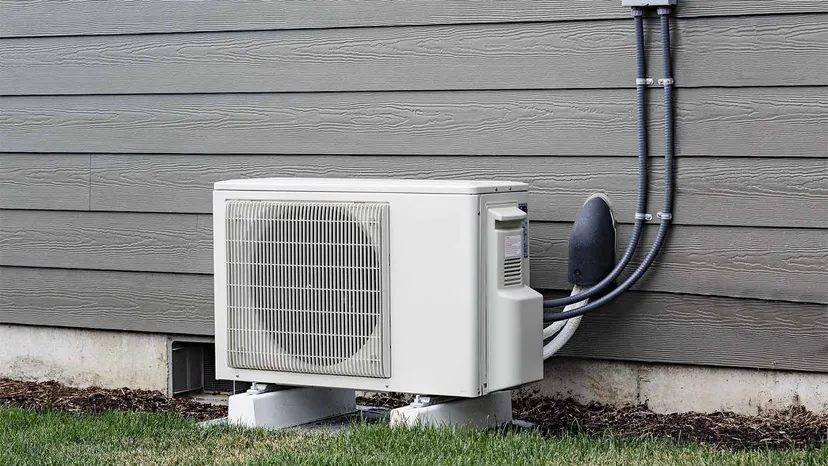
If your house lacks ductwork, don’t panic. You can install a mini-split heat pump. This system links an outdoor air-source unit to one or more indoor handlers. These indoor units connect directly to water heaters or space heaters. They are ideal for retrofits because placement is flexible. The outdoor compressor sits outside. The indoor units go where you need heat.
Installation is minimally invasive. You only need a 3-inch (7.6-centimeter) conduit through the wall. It’s unobtrusive. The indoor air handlers are small. You can mount them in walls, ceilings, or on the floor. There is a catch. They take up indoor space. They don’t move as much air as large central systems. They work best in small living areas or commercial spaces.
Then there is the reverse cycle chiller (RCC). It doesn’t rely on air. It pumps water. This design handles cold temperatures more efficiently. The heat pump connects to an insulated water tank. It heats or cools the water inside. A fan and coil system then pulls air from the tank. It sends heated or cooled air through ductwork to your zones.
RCC systems also send hot water through radiant floor heating. This is wonderful in cold climates. Imagine warm tile under your bare feet on a freezing day. You can thank cold-climate heat pumps for that comfort.
Traditional air-source heat pumps need a backup burner. Why? When the system switches to defrost mode, the coils ice up. Without a backup, the system blows cold air while the coils thaw. The backup burner keeps the air warm during this cycle.
RCC systems skip the backup burner. They use hot water from the tank to defrost the coils. No cold air blasts. You stay warm. The system never blows the chill that traditional units sometimes let slip through.
Recent technology has introduced the cold-climate heat pump. It handles weather below 0 degrees Fahrenheit (-18 degrees Celsius). It detects the minimum energy needed for your desired temperature. It adjusts output up or down. No energy is wasted. It scales precisely to your needs.
Even special heat pumps have limits. You need to know the pros and cons before buying.
The Reality of Heat Pump Performance
Heat pumps save money on utilities. But they have limitations. They struggle in cold climates. If outdoor temps drop near or below freezing regularly, efficiency drops. Innovators are fixing this. But physics is physics. Moving heat from a very cold area to a hot one takes more energy. It’s harder when the temperature difference is extreme.
There is more heat energy in moderate climates. In cold climates, heat is still present in the outdoor air. But the unit must work harder to extract it. Supplemental energy is often required. You need extra heat when temperatures fall below freezing.
The heat from a heat pump is milder than gas or oil furnaces. If you are used to blast heat, the mild warmth might feel insufficient. Some people dislike it. Others prefer it. Heat pumps distribute warmth evenly. There are no cold spots in the house.
The system turns on and off less frequently than a gas furnace. Modern systems have largely eliminated the cold-air blow during defrost cycles. You get consistent, steady warmth.
Choosing Your Backup and Dehumidification Strategy
Before installation, decide on supplemental heating. Most heat pumps use electric strip heating as backup. You might also use an oil burner. Or adapt your existing gas furnace. Use what is common in your area. It is likely the most efficient backup. It is probably the most cost-effective too. Call your local utility company. Get advice before you commit.
Dehumidification matters too. Ground-source heat pumps are better dehumidifiers than standard air conditioners. They have larger, flat return coils. These coils condition and dehumidify more air. Air-source heat pumps dehumidify similarly to standard AC units. If humidity is a concern, factor this in. Your choice of system affects indoor air quality and comfort.
Metrics That Matter: SEER and HSPF
Shopping for a heat pump requires checking specific ratings. Manufacturers rate efficiency in two ways. Look for SEER and HSPF. Higher numbers mean better efficiency.
- SEER : Stands for seasonal energy efficiency rating. It measures how much energy (in BTUs) is pumped out during cooling mode, divided by the electricity used (in watts). Aim for a SEER rating between 14 and 18.
Understanding HSPF and High-Efficiency Features
When shopping for a heat pump, the Heating Seasonal Performance Factor (HSPF) is just as important as the cooling rating. Think of HSPF as the ratio of energy moved into your home versus the electricity used to move it. It is a stricter metric than SEER because it factors in supplemental heating needs and the energy required for the unit to defrost during icy conditions. Aim for an HSPF rating between eight and 10 to ensure you aren’t wasting power on inefficient cycles.
To squeeze more efficiency out of your system, look for specific hardware upgrades. These features often appear on higher-priced models, but they pay for themselves over the life of the unit by reducing energy consumption.
- Desuperheater coils : These recycle waste heat to preheat your domestic water. On some RCC systems, you might find a refrigerant heat reclaimer instead, which uses excess capacity to heat water even during mild winter days.
- Dual-mode compressors and motors : Instead of running at a single speed, these components adjust up or down based on the exact heating or cooling load. This variable output saves significant energy compared to on/off cycling.
- Scroll compressors : These are quieter, more durable, and more efficient than traditional piston-style compressors. They handle pressure differences better and typically last longer.
Do Heat Pumps Actually Save You Money?
The short answer is yes, but the math depends heavily on which type of system you choose and where you live. Installation costs and long-term savings vary dramatically between air-source and ground-source models.
Ground-source heat pumps (GSHPs) cost more upfront. You are digging trenches or drilling wells to access the earth’s stable temperature, which involves complex heat transfer loops. If your property has rocky soil or limited space, those excavation costs can spiral. However, the efficiency gains can offset that initial price tag over time. Because the ground and groundwater maintain a relatively constant temperature year-round, the pump doesn’t have to work as hard to transfer heat.
There is also the matter of federal incentives. Many regions in the United States offer tax credits for high-efficiency climate control systems. These credits can partially cover the cost of parts and professional installation, lowering the barrier to entry for more efficient models.
Running and Repair Costs
Once installed, the operational costs tell a different story for each type.
Ground-Source Systems
Running a GSHP is generally cheaper because the consistent thermal mass of the earth allows the unit to operate near peak efficiency. The underground components are shielded from outdoor weather, meaning there is less wear and tear from wind, rain, and extreme temperature swings. The downside? If something breaks in the underground loop, accessing it is expensive and invasive. Repairs can be costly if you need to excavate your yard.
Air-Source Systems
Air-source heat pumps (ASHPs) are easier to access for service and maintenance. You don’t need to dig up your lawn to check the lines. However, being exposed to the elements means they face more wear. In colder climates, they may rely heavily on supplemental electric resistance heating when the outdoor air gets too cold to extract heat efficiently. This supplemental energy use can spike your utility bill.
Maintenance Matters
You can save up to 40 percent on utility bills with a heat pump, but only if the system stays in good shape. Neglect kills efficiency. A dirty filter or clogged coil forces the compressor to work harder, burning more electricity and shortening the unit’s lifespan.
Before you commit to a heat pump, look at your local climate. If you live in an area with extreme temperature swings, you need a system rated for those conditions. In milder climates, an air-source unit might be the smartest financial move. In colder regions, a ground-source system might justify the high upfront cost through long-term savings.
Read on to find out the cost of running and repairing your new heat pump.
Heat Pump Maintenance
Keeping a heat pump running efficiently isn’t rocket science, but it does require a routine. Unlike a furnace that sits idle for half the year, a heat pump works year-round. That constant usage means maintenance needs to be more frequent and more thorough.
Start with the air filter. This is the single most important component for airflow and efficiency. A clogged filter restricts air movement, causing the system to overwork. Check it every month during peak heating and cooling seasons. If you have pets or live in a dusty area, you might need to swap it out every two weeks. Use a standard replacement filter that matches the size and MERV rating specified by the manufacturer. Higher MERV ratings capture more particles but can restrict airflow if the system isn’t designed for them. Stick to the manufacturer’s recommendation.
For the outdoor unit, keep the area clear. Heat pumps need to pull in air from all sides, so leaves, snow, and debris can block intake. Keep a three-foot radius around the condenser clear of bushes and plants. In winter, if you get heavy snowfall, brush the snow off the top of the unit, but do not pack
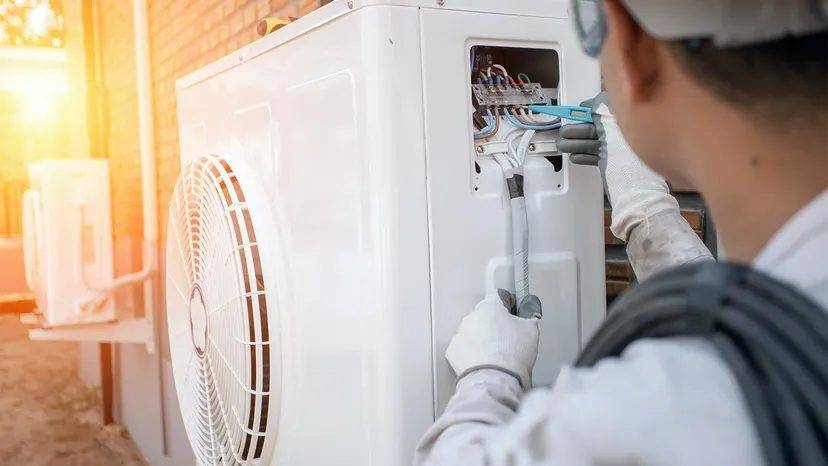
DIY Maintenance and Troubleshooting
If you run your heat pump daily, treat the filter like bread. Buy a loaf, use one a month, toss it. Skip it if you only fire it up occasionally, but three months is the absolute max you should go. Keep the coils clear. No leaves. No dust bunnies. Get a pro to look at it twice a year: before the freeze hits and before the summer swelter starts.
You know those rattles? The squeaks? The grinding? They tell you something is wrong. Low airflow. Leaky ducts. Wrong refrigerant. The first step isn’t calling a tech. It’s isolation.
Is the air weak from one vent or every single one? If it’s just one, check the duct. If it’s all of them, the unit is choking. Listen closely. Is the noise coming from the metal box outside or the pipes in your walls?
Before you panic, try the basics. Reset the motor. Check the breaker. Did it trip? Blow a fuse? Make sure the thermostat isn’t lying to you. Swap a dirty filter. Clear any blockages. Simple stuff.
Noisy ducts? Rubber pads help. Ducts expand and contract with the temperature changes, creating that annoying drum-beat sound. Pad them. Loose parts rattle? Tighten them. Squeaking inside the unit? That’s usually the fan belt. Replace or adjust it.
Grinding? Stop. That’s bearings wearing out. You can’t fix that with a wrench. Call a pro.
If you aren’t mechanically inclined, step back. Heat pumps contain hazardous materials. Chemical leaks are no joke. Broken devices can injure you. Safety first. Professional assistance is worth the cost when chemistry is involved.
Longevity and Future Tech
A heat pump should last between 10 and 25 years. That’s the range. Regular inspection is the single biggest factor. Moderate climates help too. The harsher the weather, the harder the unit works.
But technology moves fast. Your pump might outlive its technician’s ability to fix it. New tech arrives. Safer refrigerants. Higher efficiency. You might find yourself owning a dinosaur before it dies. Keep an eye on the market. You might want to upgrade before the unit fails.
Heat Pump FAQs
How does a heat pump work in the winter?
It steals heat from the outside air and moves it inside. It’s not magic. It’s physics. Much cheaper to run than a gas furnace. Uses very little electricity.
Does a heat pump cool as well as an air conditioner?
Yes. And often better. Heat pumps heat AND cool. Air conditioners only do one job. When cooling, heat pumps are more efficient than standard A/Cs.
What temperature is a heat pump not effective?
Between 25 and 40 degrees Fahrenheit. Efficiency drops. Above 40? They shine. Below? They use more energy. Furnaces take over at that point. It’s about energy balance.
How do you reset your heat pump?
Turn the thermostat off. Turn the pump off. Kill the breakers. Wait. Let the refrigerant settle. Clean filters or ducts while you wait. Turn it back on in reverse order.
What is the average life expectancy of a heat pump?
10 to 25 years. Depends on use. Depends on maintenance.