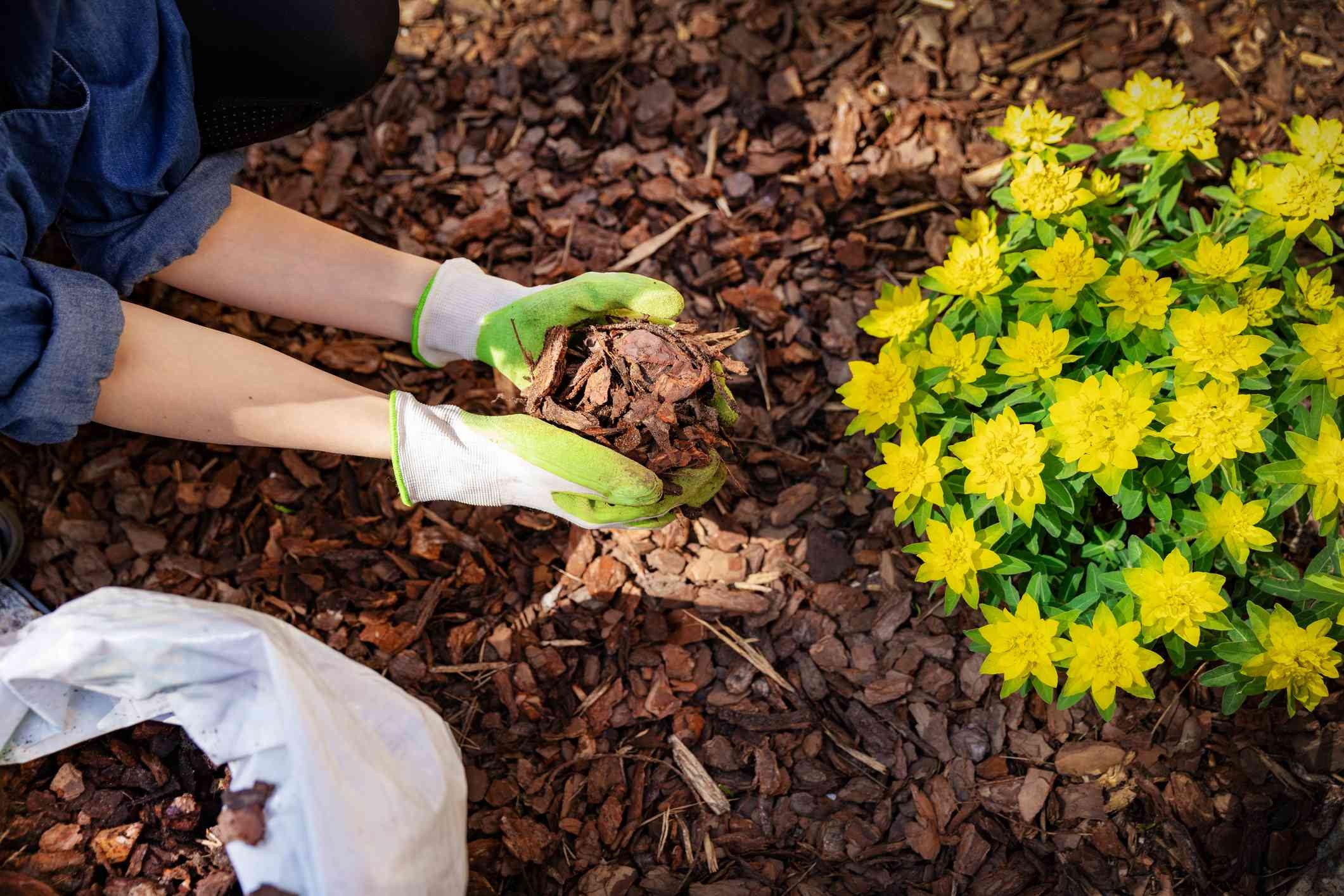
Keeping a garden free of weeds without relying on harsh chemicals is a common challenge for homeowners. While there are many approaches to natural gardening, industry experts agree on one primary defense: mulching.
According to horticulturists and gardening professionals, mulch is not just an aesthetic choice—it is the most effective natural barrier against weed invasion. By understanding how mulch works and how to apply it correctly, gardeners can suppress weeds, conserve water, and improve soil health simultaneously.
How Mulch Stops Weeds in Their Tracks
The mechanism behind mulch’s effectiveness is straightforward but powerful. As Kelly Funk, a gardening professional, explains, mulch acts as a physical barrier that blocks sunlight, which is essential for weed seeds to germinate.
Even if a seed manages to sprout beneath the layer, the mulch creates a difficult environment for growth.
“Most seeds that do manage to sprout under a thick layer of mulch tend to fizzle out before they get to the light, so they don’t grow and mature,” says horticulturist Justin Hancock.
This suppression works on two levels:
1. Prevention: It stops new weed seeds from reaching the soil surface.
2. Suppression: It makes it mechanically difficult for emerging weeds to break through to the surface.
Hancock notes that studies indicate a proper layer of mulch can prevent up to 80% of weeds from establishing themselves. This high success rate makes mulching a cornerstone of sustainable garden maintenance.
Beyond Weed Control: The Hidden Benefits of Mulch
While weed suppression is the most visible benefit, mulch serves several critical functions that support the overall health of the garden ecosystem.
1. Moisture Retention
Mulch significantly reduces evaporation, helping soil retain moisture for longer periods. This is particularly valuable in dry, hot, or windy climates where water conservation is key. By keeping the soil moist, mulch also creates a less favorable environment for many common weeds, which often thrive in dry, bare patches of earth.
2. Temperature Regulation
Mulch acts as an insulator for plant roots. It keeps roots cooler during the heat of summer and warmer during the chill of winter, protecting plants from extreme temperature fluctuations.
3. Soil Health and Erosion Control
As organic mulches break down over time, they add vital nutrients and organic matter back into the soil. Additionally, the layer prevents soil from washing away during rain or blowing away in the wind, maintaining the structural integrity of garden beds.
4. Aesthetic Appeal
A well-mulched garden looks tidy and polished. Options like bark, cocoa hulls, or dyed mulch offer a clean, finished look, while straw and leaves provide a more rustic appearance.
Choosing the Right Mulch for Your Garden
Not all mulch is created equal. Selecting the right type depends on your specific gardening goals, climate, and aesthetic preferences.
- For Soil Enrichment: Choose organic mulches such as bark, straw, compost, or leaves. These break down over time, feeding the soil.
- For Low Maintenance/Longevity: Consider inorganic options like gravel or rubber. These do not decompose and last longer but do not improve soil health.
- For Vegetable Gardens: Straw or leaf mulch is ideal as it breaks down quickly and adds nutrients.
- For Trees and Perennials: Bark or wood chips are durable and provide good insulation.
- Climate Considerations: In wet climates, choose mulch that doesn’t retain excessive moisture to prevent rot. In dry climates, opt for materials that hold water well.
Application Best Practices: Avoiding Common Mistakes
Even the best mulch can harm your garden if applied incorrectly. Experts warn against several common errors that can negate the benefits of mulching.
1. The “Mulch Volcano” Danger
Never pile mulch directly against the stems or trunks of plants and trees. This practice, known as creating a “mulch volcano,” traps moisture against the bark and can lead to rot and disease. Instead, keep mulch a few inches away from the base of plants.
2. Depth Matters
Apply mulch in a layer no thicker than 4 inches. Excessive depth can suffocate plant roots and retain too much water, leading to root rot. The layer should be spread evenly to ensure consistent coverage.
3. Chemical Safety
Avoid mulches dyed with unknown sources, as these may contain harmful chemicals that can leach into the soil. Stick to natural, untreated options whenever possible.
4. Maintenance Routine
Mulch is not a “set it and forget it” solution. Refresh your mulch once or twice a year to maintain its effectiveness. Always water the garden beds before and after applying new mulch to help lock in moisture and settle the material.
Conclusion
Mulching remains the gold standard for natural weed control, offering a multifaceted solution that protects plants, conserves resources, and enhances soil health. By selecting the appropriate material and applying it correctly—avoiding common pitfalls like excessive depth or trunk contact—gardeners can maintain a vibrant, weed-free landscape with minimal effort.