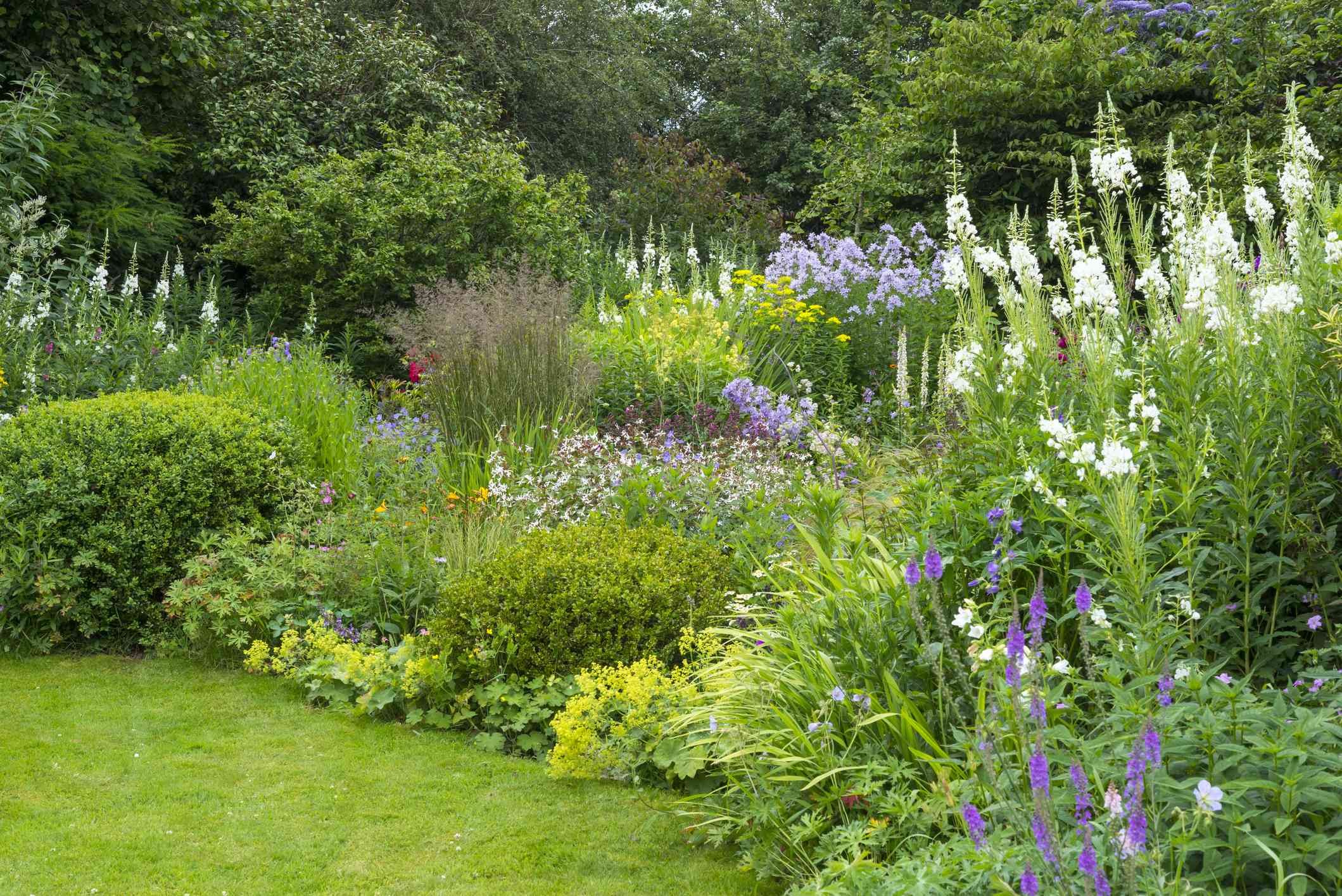
Low plants matter. They do all the heavy lifting for visual interest at ground level. Tall perennials shout, but short ones whisper. And sometimes, a whisper cuts deeper. You don’t want your flower bed bordering on chaos. You want it to breathe. Mini hostas. Creeping sedums. Delicate irises. They anchor the front row so the giants in back don’t look lost.
It’s not just about filling space. It’s about texture. Coral bells offer height without bulk. Sedums offer color without fuss. Here’s the roster of underdogs that belong in the front lines.
1. Woodland Phlox
This thing loves the shade. It blooms for weeks come spring, usually white to violet to lavender. It spreads. Year after year, it gets bigger. Easy to divide if it takes over.
“It wakes up early and sets the mood for the whole bed.”
- Zones: 4–7
- Size: 10–12 inches tall, 18 inches wide
- Sun: Part shade/part sun
- Soil: Rich, well-drained
2. Cranesbill Geraniums
Two types. One spreads via rhizomes with short stems. The other clumps with long tendrils. Flowers? Sprightly. Pinks, purples, blues. Lots of them.
- Zones: 3–9
- Size: 9–18 inches tall, up to 3 feet wide
- Sun: Full to part sun
- Soil: Slightly acidic, moist, draining well
3. Creeping Sedum
Reliable. Succulent. Low maintenance. Flowers and leaves come in every color except boring beige. Perfect for sunny edges where you forget they exist until they bloom.
- Zones: 4–9
- Size: 3–6 inches tall, 1–2 feet wide
- Sun: Full to part sun
- Soil: Average to sandy. Poor soil is fine.
4. Coral Bells
Named for those tiny pink bells on thin stems. But you buy them for the leaves. Modern hybrids are neon. Silver, bronze, black, burgundy. They add texture without height.
- Zones: 4a–9a
- Size: 8–18 inches tall
- Sun: Full to partial sun
- Soil: Moist, well-drained
5. Leadwort
Late summer bloomer. Bright blue. Also called hardy plumbano. Not to be confused with the annual Plumbago. It takes its time in spring. Be patient.
- Zones: 4–8
- Size: 8–12 inches tall
- Sun: Partial to full sun
- Soil: Loamy, well-drained
6. Epimedium
Barrenwort. Fairy wings. Ground cover for the shade. Leaves are shapely. Flowers are delicate. The roots mat tightly. You’ll need to cut them to divide the plant.
- Zones: 4–8
- Size: 8–12 inches tall
- Sun: Full shade to part sun
- Soil: Drought tolerant once established
7. Dwarf Hostas
Shade lovers. Lush. ‘Pandora’s Box’ is variegated. ‘Blue Mouse Ears’ is steel blue. ‘Sun Mouse’ is chartreuse. Pick a texture that matches your vibe.
- Zones: 4–7
- Size: 6–12 inches tall
- Sun: Partial to full shade
- Soil: Clay, loam, average
8. Creeping Phlox
Threadlike leaves. Masses of flowers. Pink, purple, white. Rock gardens? Paths? Slopes? Yes, yes, yes. Deadhead them to get more blooms.
- Zones: 5–9
- Size: 6–9 inches tall
- Sun: Full to partial sun
- Soil: Average, tolerates poor conditions
9. Threadleaf Coreopsis
Daisy-like but fine. Delicate. Cultivars like ‘Moonbeam’ and ‘Jethro Tull’ stay compact. Sun worshipers. Cut the old flowers to keep the new ones coming.
- Zones: 2–11
- Size: 15–18 inches tall
- Sun: Full sun
- Soil: Average, well-drained
10. Bellflower
Bells. Duh. ‘Blue Waterfall’ and Dalmatian types stay low and spread gently. Bloom for weeks.
- Zones: 4–8
- Size: 6–12 inches tall
- Sun: Part shade/sun
- Soil: Clay, sand, average
11. Lady’s Mantle
Clumping. Shade tolerant. Leaves are rounded and scalloped. They glisten after rain. The flowers? Chartreuse. Subtle.
- Zones: 3–8
- Size: 12–24 inches tall
- Sun: Full to partial
- Soil: Loamy, neutral to acidic
12. Woods Blue Aster
Late summer into autumn. ‘Woods Blue’ has yellow centers. ‘Woods Purple’ and ‘Woods Pink’ are lighter hues. They handle clay well.
- Zones: 4–8
- Size: 8–12 inches tall
- Sun: Partial to full sun
- Soil: Clay tolerant
13. Lungwort
Shade lover. Silver-spotted leaves. Tiny flowers in blue, pink, purple. Mid to late spring. Easy.
- Zones: 3–8
- Size: 6–12 inches tall
- Sun: Full to part shade
- Soil: Moist, alkaline to neutral
14. Dwarf Bearded Iris
Not the miniature spring irises. These are Iris pumila. Mid-April bloomers. Smaller flowers than the tall bearded kinds, but just as vibrant.
- Zones: 4–7
- Size: 8–16 inches tall
- Sun: Partial to full sun
- Soil: Loamy, sandy
15. Primrose
Mid to late spring color. Partial shade specialist. Spreads happily. Not aggressively, but it moves.
- Zones: 3–8
- Size: 6–20 inches tall
- Sun: Partial shade
- Soil: Moist, loamy
16. Geum
Late spring bloomers. Cream, pink, orange, red. Compact habit makes them ideal front-row citizens. Easy care.
- Zones: 4–9
- Size: 8–15 inches tall
- Sun: Full to partial sun
- Soil: Slightly acidic, loamy
17. Beardstongue
Penstemon. Pollinators love it. Some varieties get six feet tall. Don’t plant those. Look for ‘Electric Blue’ or ‘Blue Mist’. ‘Blue Mist’ stays under 10 inches.
- Zones: 3–8
- Size: Variable (aim for short)
- Sun: Full sun
- Soil: Well-drained
“Group plants with similar water and sun needs.”
That’s the rule. Put thirsty friends together. Keep sun-worshipers apart from shade-seekers. Once they settle in, watch them. Deadhead what you must. Divide when they crowd each other. Gardens are alive. They change. You just have to pay attention.
So where do you start? Maybe with a sedum. Maybe a hosta. The ground is waiting.