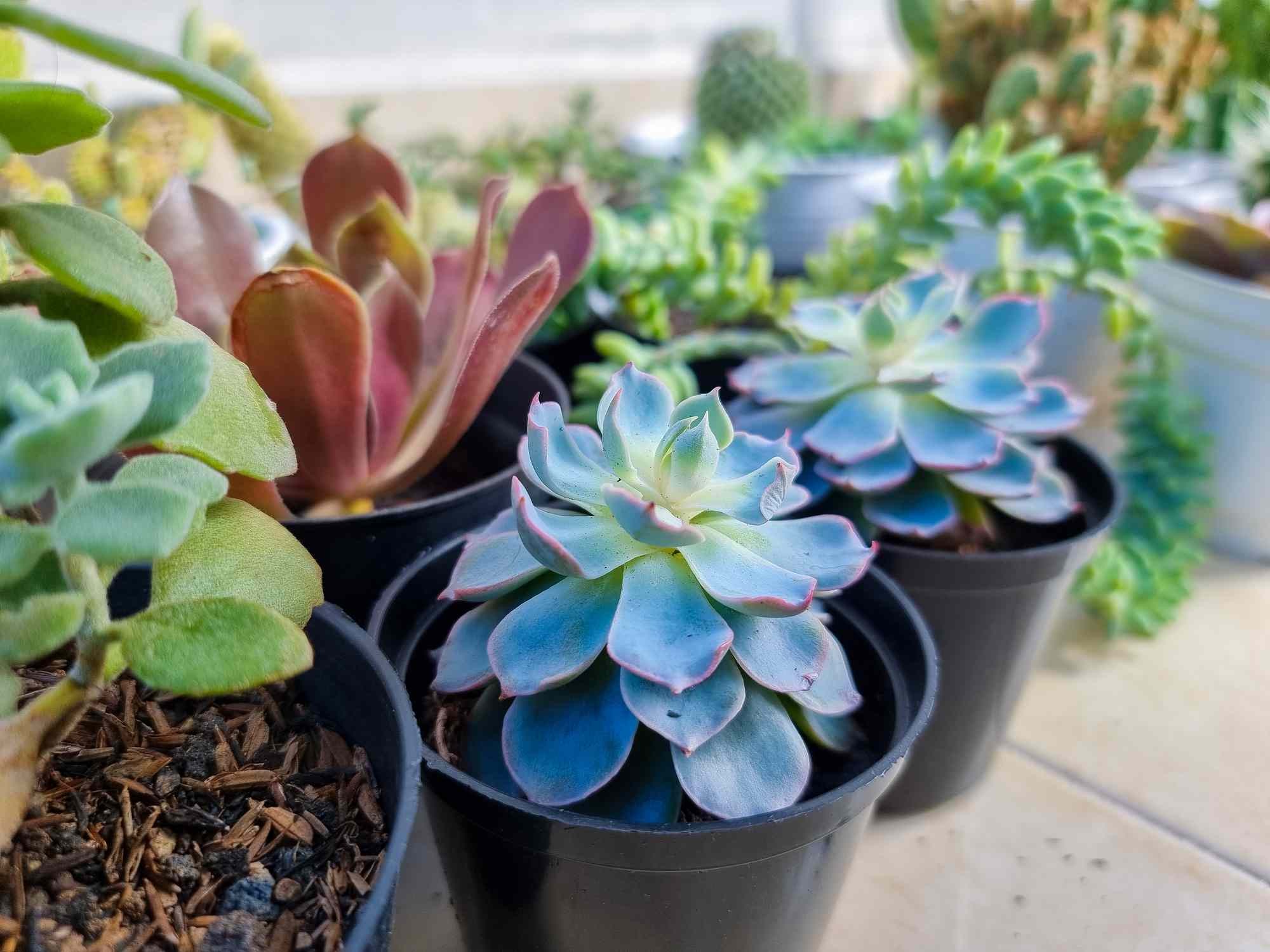
Succulents are often marketed as the ultimate “set it and forget it” houseplants, but this reputation can be misleading. While they are indeed resilient, treating them as indestructible often leads to overwatering and neglect. The secret to keeping succulents vibrant and healthy lies in understanding their biology: these plants store water in their leaves, stems, or roots, making them naturally drought-tolerant. However, “drought-tolerant” does not mean “waterproof.”
To transform a struggling succulent into a lush centerpiece, you need to balance three critical factors: light, water, and soil. Below are 11 actionable tips to ensure your succulents not only survive but thrive.
Understanding Watering Dynamics
The most common mistake new growers make is watering on a fixed schedule rather than observing the plant’s needs. Because succulents store water, their roots need time to dry out completely between sessions.
1. The “Soak and Dry” Method
Instead of giving your succulent a sip every few days, provide a thorough soaking until water runs out of the drainage holes. Then, wait until the soil is completely dry before watering again. This mimics the natural rainfall patterns of their native arid environments.
2. Water from the Bottom
While top-watering is common, bottom-watering is often superior for indoor succulents. Place the pot in a tray of water for 15–20 minutes, allowing the soil to wick up moisture. This method keeps the leaves dry, significantly reducing the risk of fungal infections and bacterial rot that often start at the base of the leaves.
3. Watch for Thirst Signals
Don’t guess; look. Healthy succulents should feel firm and plump. If the leaves become thin, wrinkled, or papery, the plant is thirsty. Conversely, if leaves are soft, translucent, or yellowing, you are likely overwatering. Adjust your schedule based on these visual cues, not the calendar.
4. Adjust for Seasons
Succulents have active growing seasons (usually spring and summer) and dormant periods (winter). During dormancy, their metabolic rate slows, and they require significantly less water. Overwatering in winter is a leading cause of succulent death.
Optimizing Light and Environment
Light is the fuel for photosynthesis, and without it, succulents will “stretch” or “etiolate,” becoming tall, weak, and pale as they reach for a light source.
5. Provide Ample Sunlight
Most succulents need at least six hours of sunlight per day. A south-facing window is ideal for indoor plants. If your plant is stretching toward the light, it’s a clear sign it needs more exposure.
6. Rotate Regularly
Plants naturally grow toward the light source, which can cause them to become lopsided. Rotate your pots 90 degrees every week or two. This ensures even growth on all sides, maintaining the plant’s symmetrical and aesthetic shape.
7. Acclimate to Outdoor Conditions
During warmer months, moving succulents outdoors can boost their health by providing brighter light and better air circulation. However, never move them directly from a shaded indoor spot to harsh midday sun. Acclimate them gradually over a week to prevent sunburn, which appears as brown or white scorched patches on the leaves.
8. Shield from Extreme Weather
While outdoor succulents enjoy the elements, they are not invincible. Heavy rains can waterlog the soil and cause rot, while high winds can damage delicate