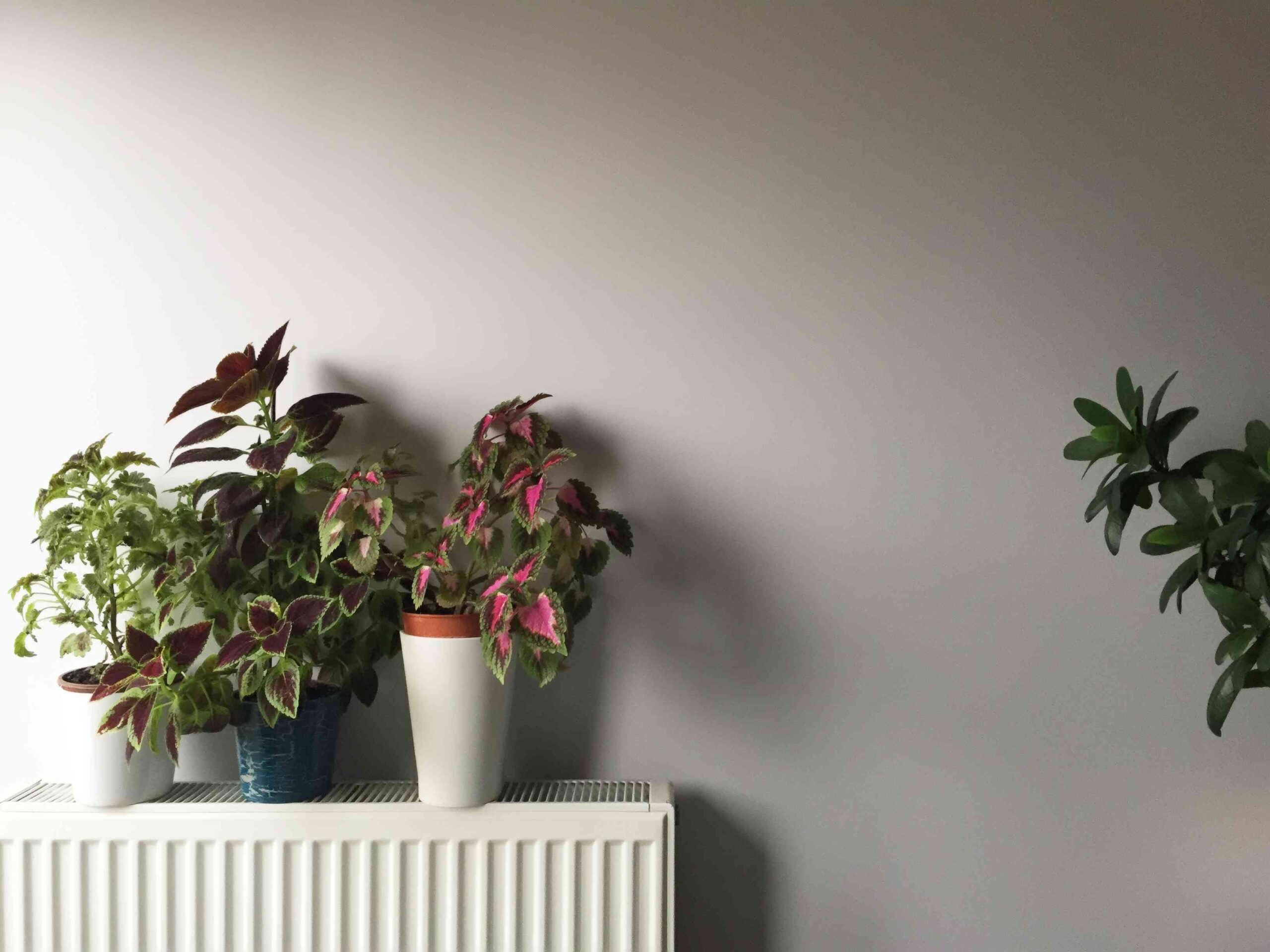
Many indoor gardeners assume placing plants near a heater mimics warmer seasons, encouraging growth. While some plants can benefit from consistent temperatures, excessive heat often leads to dehydration, a problem many plant owners overlook. The key issue isn’t just temperature but the humidity that heaters strip from the air.
Why Heaters Are a Problem For Plants
Heaters, including space heaters, warm rooms efficiently but also drastically reduce moisture levels. According to experts, some heaters can drop humidity to as low as 10%, while most houseplants thrive in 50-60% humidity. This creates an “instant micro-drought,” causing both immediate and long-term damage.
The effect is not just cosmetic: crispy leaves and scorched spots are surface-level symptoms. More seriously, prolonged dehydration stresses plants, leading to stunted growth and even plant death.
How to Tell If Your Heater Is Damaging Your Plants
Identifying heater damage is simple: look for signs of moisture loss. Here’s what to check for:
- Dehydrated Leaves: Drooping or wilted leaves indicate the plant isn’t getting enough water from the air.
- Scorched Leaves: Crispy edges mean direct heat exposure or severe dehydration. Plants prefer consistent warmth, not sudden blasts.
- Discolored Leaves: Brown or yellowing leaves are another sign of moisture loss.
- Growth Issues: If plants aren’t growing or are dropping leaves rapidly, especially during winter dormancy, a nearby heater could be the culprit.
Better Ways To Keep Plants Warm
If you need to supplement warmth in a drafty room, consider alternatives to direct heating:
- Root-Targeted Heating Mats: These provide gentle, consistent heat directly to the roots.
- Enhanced Insulation: Improving insulation maintains stable temperatures without drying out the air.
As one expert points out, stability is key. Plants thrive in predictable environments; sudden temperature swings disrupt natural development.
When Heaters Can Work
Heaters aren’t inherently bad. In greenhouses or controlled indoor spaces, they can be effective if combined with additional humidity sources. Ensuring the air remains moist counteracts the drying effect, making the heater a viable option.
The bottom line: houseplants need warmth, but not at the expense of moisture. Understanding this balance is crucial for healthy winter growth.