A well-designed kitchen is essential: it’s the heart of the home, and design mistakes stand out. While living rooms or bedrooms can tolerate some clutter, a poorly planned kitchen impacts functionality and resale value. Here are seven common kitchen eyesores that designers say immediately detract from a space, and why they matter.
Cooktops on Kitchen Islands: A Safety and Aesthetic Risk
Many homeowners install cooktops directly on kitchen islands, but designers overwhelmingly discourage this. Islands are for gathering and dining, not hazardous cooking surfaces. A hot cooktop poses a risk, especially with children nearby. Beyond safety, an island cooktop interrupts the clean lines of the countertop; a large, uninterrupted slab of marble or wood is far more elegant.
The Outdated Wine Bottle Display
Wine bottles on top of the fridge were once considered chic, but now they look outdated and cluttered. Wine is best stored in a cellar or wine fridge. If neither is available, a bar cart is a better option. If those bottles are merely props, designers suggest removing them entirely.
Trashcans in Plain Sight: A Hygiene and Aesthetic Problem
A trashcan is necessary, but it shouldn’t be a focal point. An exposed trashcan makes the kitchen feel unsanitary and messy. The solution is simple: tuck it under the sink or inside a cabinet. This keeps odors contained and eliminates visual clutter.
Dingy Dish Drainers: An Unsightly Necessity
If you lack a dishwasher, a dish drainer is unavoidable, but leaving it out can crowd countertops. These racks accumulate water spots, soap residue, and grime, making the kitchen look neglected. Minimize their impact by cleaning them frequently, or opting for a concealed drying rack when possible.
Kitchen Utensils as Decor: A Cluttered Look
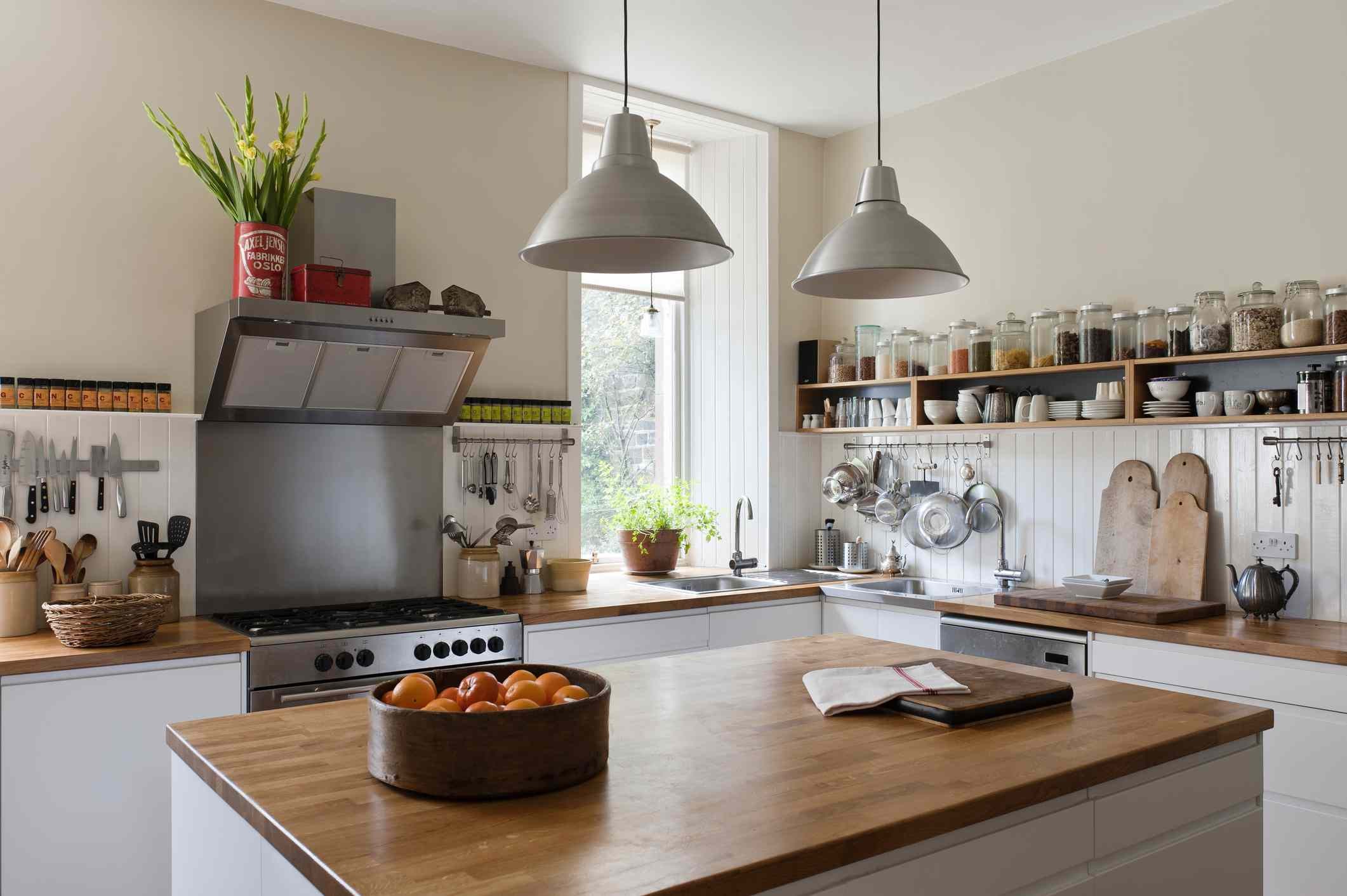
Displaying knives on the wall or leaning cutting boards against the backsplash crosses the line between practical and chaotic. Kitchen utensils are prone to getting dirty or greasy, and when used as decor, they become magnets for dust. Clean lines are essential in a kitchen; a surplus of utensils detracts from that.
Faux Greenery Above Cabinets: A Dated Trend
Faux trailing ivy above cabinets is a relic of the ’90s. Kitchens benefit from clean lines and minimalism, and unnecessary decor adds clutter. If your cabinets don’t reach the ceiling, consider blue and white ginger jars or ironstone pitchers instead.
Overloaded Open Shelving: Visual Overload
Open shelving can be tasteful, but overcrowding it with every kitchen item creates visual chaos. Limit displays to matching sets ; a few select pieces are more appealing than a cluttered mess. Mismatched shelves amplify the effect, making the space feel chaotic rather than eclectic.
In conclusion, a well-designed kitchen prioritizes functionality, cleanliness, and minimalism. By avoiding these common pitfalls, homeowners can create a space that feels inviting, organized, and adds value to their home.