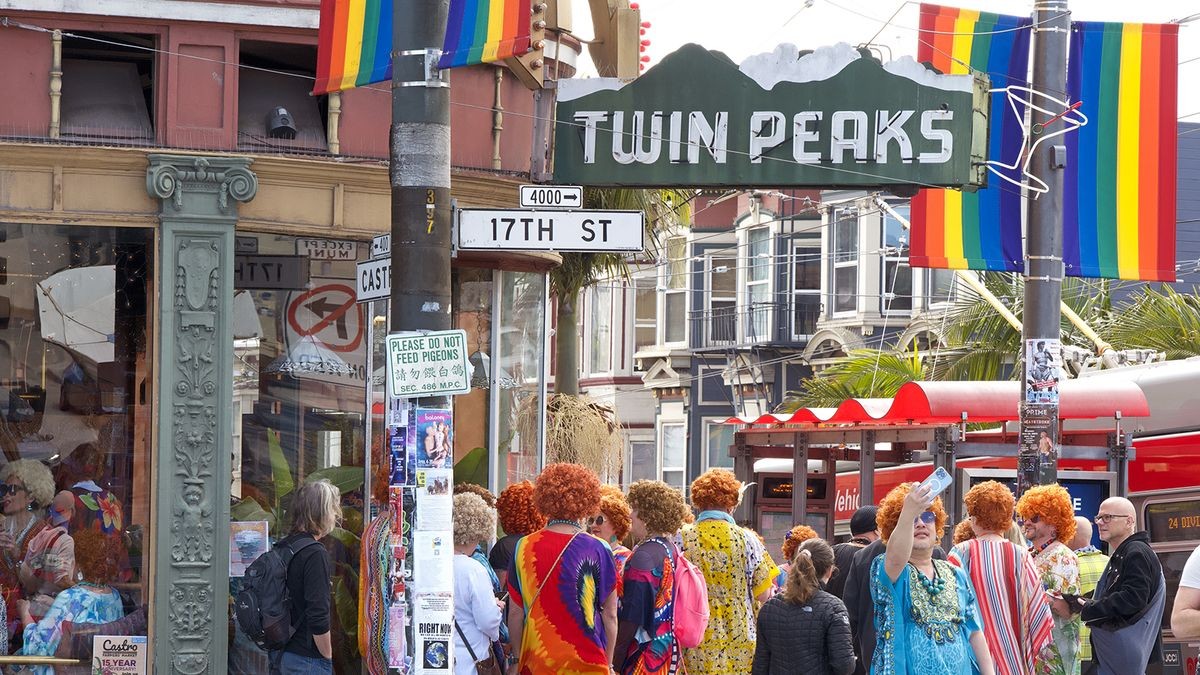
The question of which U.S. cities are “gay-friendly” isn’t just about tolerance; it’s about where LGBTQ+ individuals can live normal lives without constant vigilance. This ranking blends legal protections, cultural visibility, and lived experiences—where holding hands doesn’t feel like a risk assessment.
The Core of Visibility
The most welcoming cities aren’t just those with rainbow flags; they’re places where LGBTQ+ culture is deeply embedded in the fabric of daily life. This means robust legal protections, thriving LGBTQ+ scenes, and an overall social acceptance that extends beyond Pride Month.
The Top 12 Cities: A Breakdown
- San Francisco, California: The archetype for a reason. The Castro remains a hub for LGBTQ+ history and modern community events. Its high score on the Human Rights Campaign’s Municipal Equality Index reflects strong policy protections.
- New York City, New York: A mega-metro supporting niche spaces like gay bars and queer bookstores. Stonewall’s legacy persists, with visible nightlife signaling acceptance.
- Los Angeles, California: Networks matter in LA. From West Hollywood nightlife to beach meetups, interconnected scenes create a sense of belonging. The city’s entertainment and business sectors normalize LGBTQ+ visibility.
- Chicago, Illinois: A Midwest anchor with a strong bar culture and established gay neighborhoods. The election of Lori Lightfoot as the first openly LGBTQ+ mayor in 2019 demonstrates civic leadership.
- Washington, D.C.: Advocacy is central to D.C.’s economy, making LGBTQ+ rights a built-in aspect of the local landscape. Dupont Circle’s decades-long queer history remains a gathering point.
- San Diego, California: Combines beach-city ease with strong community infrastructure. Todd Gloria’s election as the first openly gay mayor in 2020 accelerated protections.
- Boston, Massachusetts: Compact neighborhoods, universities, and activism create dense community networks. LGBTQ+ visibility feels commonplace, integrated into daily life.
- New Orleans, Louisiana: Nightlife and tradition blend seamlessly, making queer visibility year-round. The city’s open culture extends to LGBTQ+ couples blending into the street scene.
- Las Vegas, Nevada: Built for adult fun, gay nightlife fits naturally into the city’s core identity. The anonymity of a larger tourist city provides safety for those moving from less accepting places.
- Salt Lake City, Utah: Surprisingly LGBTQ+-friendly, even in a more conservative state. Concentrated neighborhoods, consistent Pride events, and city-level policies buffer residents.
- San Jose, California: Often overshadowed by San Francisco, it offers stability with a growing tech sector and LGBTQ+-owned businesses.
- Miami, Florida: An East Coast gateway with Latin American influence, supporting visible gay nightlife. City-level support can diverge from state-level politics, making it a standout.
Why This Matters
These cities aren’t just places to visit for Pride; they’re where LGBTQ+ people can build lives, find community, and thrive without fear. The presence of strong legal protections, visible cultural scenes, and accepting social environments is not merely symbolic—it has real-world effects on well-being, safety, and economic opportunity.
The trend towards greater LGBTQ+ acceptance in urban centers is reshaping societal norms, driving policy changes, and ensuring that queer individuals can participate fully in all aspects of life. These cities serve as models for inclusivity, demonstrating that vibrant communities can flourish when diversity is celebrated.