


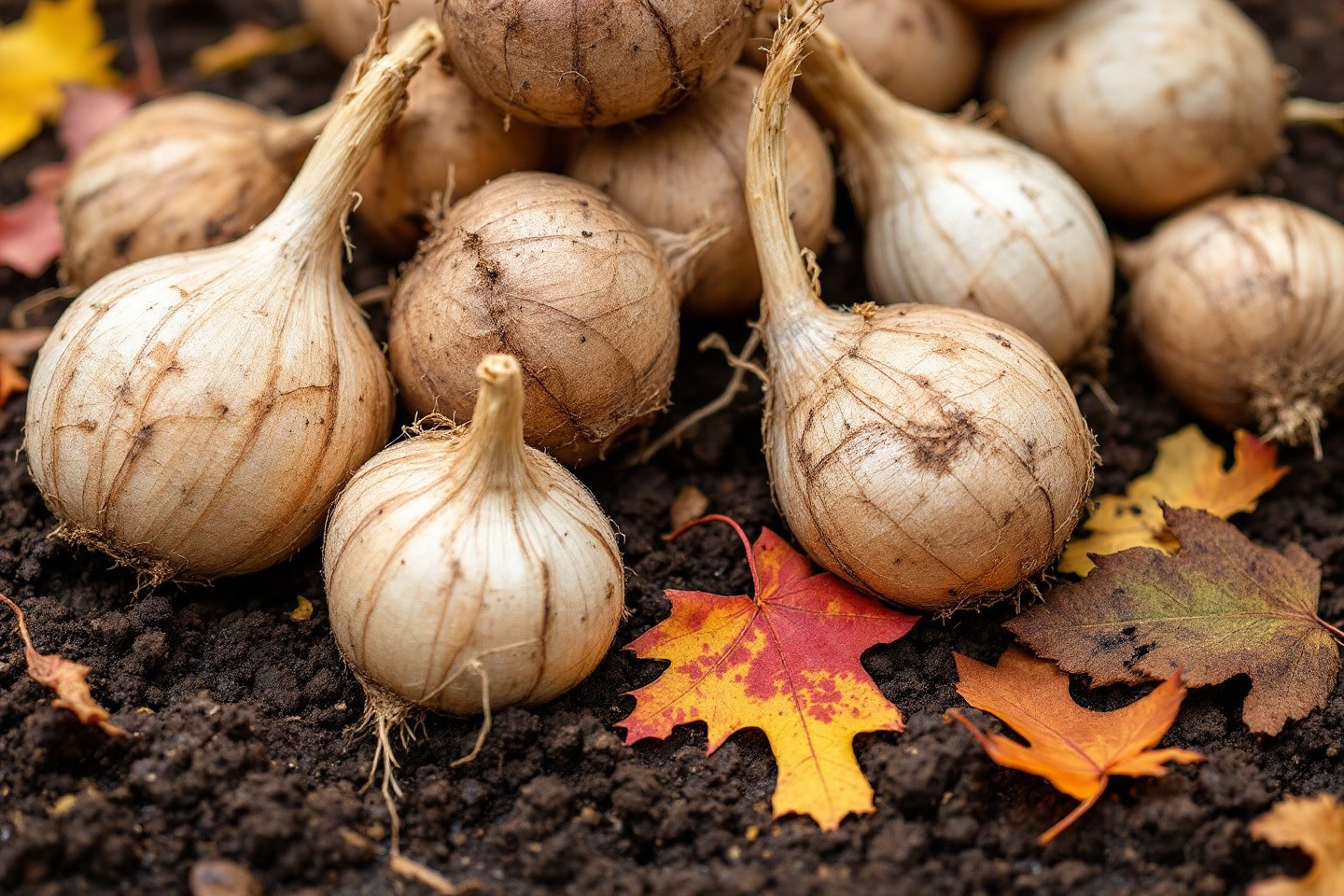
The air is crisp. Leaves are turning. That golden light of autumn settles over the garden. It’s tempting to wait until spring to act. But waiting is a mistake. October is the window. It’s when you set the stage for the next year’s spectacle. You don’t need to be an expert. You just need to get your hands in the dirt now.
Why Fall Planting Beats Spring Sprawl
There is a myth that spring is the only time to plant. It’s not. While the ground freezes over, roots are busy. They are building networks underground. This head start matters.
Planting in October gives bulbs and perennials a natural advantage. The soil is still warm. The moisture is stable. There is no scorching summer heat to stress young plants. Roots establish before the ground hardens. When March comes, your garden is already ahead. It wakes up fast. It grows strong.
Think of it as invisible work. Above ground, things look dormant. Below ground, life is accelerating. Bulbs store energy for spring blooms. Perennials prep new buds. You get a denser, more vibrant display with less effort later. No daily watering. No frantic spring weeding. Just results.
Top Bulbs and Perennials to Plant This Month
Not everything thrives in October. Stick to the hardy varieties. These are the stars that transform a landscape from the ground up.
The Bulb Trio
Tulips. Narcissus. Hyacinths.
These are non-negotiables. Plant them now for a February or March explosion. They handle the cold well. They bring those classic spring colors: yellows, reds, pinks, whites. You can mix them for a mosaic effect. Works in beds, borders, or even large containers on a balcony.
Robust Perennials
Don’t forget the survivors. Asters. Epimediums. Salvia. Hardy geraniums.
These come back year after year. They are low maintenance. Many need zero watering once established. Achillea (yarrow) and lavender are perfect for dry, sunny spots. They create structure where grass might struggle.
Design Tips for Depth
Mix heights. Alternate early bulbs with established perennials. Plant in a staggered pattern. This creates immediate texture. Place narcissus near irises. Tuck creeping geraniums between tulip rows. The blooms will take turns. One fades, the other rises. It looks natural. It looks designed.
How to Plant for Success
Timing is everything. Aim for October to mid-November. The soil is workable. The temps are mild. If you wait too long, the ground may be too cold or too wet.
Step-by-Step Planting
- Prepare the bed. Remove weeds. Dig down 15 cm (6 inches). Loosen the soil. This helps roots spread.
- Check drainage. If your soil is heavy or your slope is steep, add gravel to the bottom of the hole. Rotting bulbs are the enemy.
- Plant bulbs. Depth matters. Go in at a depth of 2–3 times the bulb’s height. Point the tip up. Space them out as the packet suggests. Crowding stunts growth.
- Plant perennials. Make the hole wider than the root ball. Mix in some compost. Set the plant. Fill in with light soil mix.
- Mulch. Add a layer of organic mulch on top. This insulates roots from temperature swings. It also suppresses weeds.
Common Mistakes to Avoid
- Waterlogged soil. Never plant in soggy earth. Bulbs will rot. Wait for dry conditions.
- Shallow planting. Too shallow and they freeze. Too deep and they struggle to emerge. Measure twice.
- Ignoring exposure. Tulips and narcissus love full sun. Some perennials prefer partial shade, like under a hedge or in a zen garden corner. Match the plant to the light.
You’re not just planting flowers. You’re planting time. The work you do now pays dividends in April. The garden will thank you. And you? You’ll have the weekend back.
Planting secrets and low-effort maintenance
October isn’t the end. It’s a quiet promise. While everyone else is raking leaves into piles to haul away, you’re burying potential. The goal here is minimal intervention with maximum payoff. You don’t need a PhD in botany. You just need to let nature do the heavy lifting while you set the stage.
Mulch is your best friend. Dead leaves, wood chips, straw. Spread it thick. It keeps moisture in. It buffers the soil against the biting freeze that comes later. If you’ve just planted bulbs or hardy perennials, this layer is armor. Water them in once, right after planting, to settle the soil around the roots. Then step back. Let the autumn rain take over. Nature hates being over-managed.
Rodents are the real enemy here. Moles and voles love a warm, nutritious bulb in winter. They’ll dig them up and eat them before spring ever arrives. Don’t use chemicals. Use fear. Place some pet hair—cat or dog—in the planting hole before you drop the bulb in. The scent alone often keeps them away. For a more robust solution, plant bulbs in small wire mesh baskets. It looks natural from above but keeps the critters out. It’s a simple hack that saves months of disappointment.
Feed lightly. I say lightly because most gardeners overthink fertilizer. A handful of mature compost in the bottom of the hole is enough. Too many nitrates now can actually burn new roots or invite weak growth. If you want a boost in spring, an organic fertilizer for borders or lawns works. But don’t rely on it. Let the soil breathe. Healthy soil feeds itself.
Designing for succession and shared joy
By February, the magic starts showing. Green shoots pierce the mulch. It’s subtle at first. Then the colors hit. The key to a stunning spring isn’t just planting bulbs. It’s planning a relay race. Early bulbs give way to perennials. Those bloom into summer flowers. If you live in a dry area, choose drought-tolerant varieties. The show doesn’t stop when the heat rises. It adapts.
Think about color progression. Pair early daffodils with late-blooming asters. Mix textures. Create a Mediterranean or zen vibe by sticking to a disciplined palette of complementary plants. This logic of succession means your garden looks curated, not chaotic. Maintenance drops to occasional weeding. The borders stay full from May through July without you lifting a finger.
Share the wealth. When you dig up excess bulbs, give them to neighbors. It builds community. Get kids involved. Planting is tactile. It’s real. And choose nectar-rich plants. Bees need a early-season food source. You’re not just decorating. You’re feeding the ecosystem. A terrace, a small urban patch, a rural lawn—it all works the same way if you respect the cycle.
October hides its true power well. It feels like decay. It’s actually preparation. You’re writing next spring’s headline in the dark. No one sees the effort. They only see the result. Why wait for April to start? The best gardens are built in the quiet months.


