


Ask yourself: What is worse, walking barefoot on hot asphalt or stepping on a hot metal surface? That’s a difficult task while standing on the pavement. However, if you ask the same question about climbing on a tar shingle roof versus a tin roof, the answer becomes clearer. When you’re trying to keep your home cool from the roof down, one material will be significantly hotter than the other.
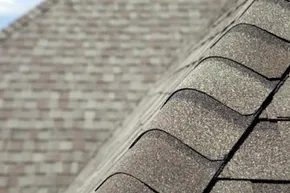
Asphalt shingles have been the standard choice for North American homes for decades. You see them all over the west. In hotter areas such as the southwestern United States, Florida, Spain, Mexico, and Greece, people often prefer terracotta or white tiles. But the asphalt remains standard. These shingles are thin, flat rectangles. They overlap in layers to close the gaps. Nails and a sticky base hold them in plywood covered with tar paper or roofing felt.
Metal roofs have evolved much further than the corrugated metal sheds of the past. Today it comes in different shapes, sizes and textures. It can look like asphalt, slate or even wood. It is also available in large, pre-formed sheets. You can choose between steel, aluminum, copper or stainless steel. During installation, the seams must be matched and the panels must be fastened or locked together. You can even buy shaped tiles that mimic traditional rectangular shingles.
Both materials protect the building. That’s their main job. But when it comes to durability, energy efficiency and cost, they differ significantly. Asphalt shingles absorb heat. This heat does not stop at the roofline. It flows into the structure. The indoor temperature can rise by 20-25 degrees. Metal roofs reflect the heat of the sun. This can lead to energy savings of around 50 percent. The surface of a metal roof can be about 100 degrees cooler than an asphalt roof.
Shingle roofs deteriorate over time. They curl up. Their effectiveness decreases against rain and wind. This requires maintenance and earlier replacement. The metal roof does not absorb all the heat. When properly installed, it can withstand the elements well. It takes much longer. It requires little or no maintenance.
So which roof is more energy efficient in warmer climates? The answer is metal. But how does it work in practice?
The myth of a hot tin roof
Cows and chickens have been roasting under corrugated iron roofs for a long time. It is cost-effective and durable. It includes agricultural shed buildings, factory halls and temporary housing. But slapping a large dull, slanted metal area on top of retaining walls won’t save energy. It will create an oven.
Metal has high conductivity. It keeps the heat. When it’s dull, the heat settles and radiates downward. However, modern, energy-efficient metal roofs have a different effect. It acts like a giant mirror. It reflects heat and energy into the air.
Scientific experiments often demonstrate this power. Holding a mirror at an angle to reflect sunlight onto dry grass can cause a fire. A magnifying glass can do the same thing by focusing the rays. Metal roofs work on similar reflection principles.
A white or light metal surface reflects best. The tests showed a reflectivity of about 67 percent. Some newly developed “cool colors” also send rays away. On the other hand, the reflectivity of dark shingles is lower, about 22 percent. They intensify the heat. They release this heat into the air below, warming the structure long after sunset.
You probably don’t want a huge mirrored area in your home. But you want to save energy. You want to escape the noise of standard air conditioning. Modern metal roofs make this possible. The models vary from whole panels to shingle-like pieces. They are suitable for all types of residential and commercial architecture.
This leaves the question unanswered. At what price? Next, economic and environmental aspects are examined.
Precious metal and practical reality
When installed correctly, the metal roof is solid. It does not echo the pitter-patter of rain. It doesn’t sound like there are any fat cats or squirrels roaming above us. Most metal roofs cover existing roofs. They are attached to the wooden or metal surface of the suspended roofline.
There are drawbacks. You hear big hail. It is important to prevent large or small people from walk on the roof. Force can dent the metal.
But consider the long-term perspective. Asphalt shingles absorb heat. They degrade. They must be replaced every 15-30 years. Metal roofs reflect heat. They withstand damage. They last 40-70 years or more.
Metal acquisition costs are higher. Durability is greater. The maintenance work is smaller. In warmer climates, the investment pays for itself by reducing cooling costs. Tax reliefs can also be applied.
Which one is better for your home? It depends on your budget and climate. But if energy efficiency is a priority for you, metal is the clear winner. Asphalt is a shorter-term solution. Metal is a long-term commitment.
The choice does not only apply to shelter. It’s all about how your home interacts with the sun. Do you want to absorb or reflect heat? The answer will determine your comfort and bill.
Next, we explain the installation process and the exact materials.

The price of metal roofs is high. You’re looking at costs two or three times higher than traditional asphalt shingles. It’s a bigger burden on the wallet right from the start. But slate? Premium woods? Metal usually wins these as well.
This is an initial investment. Big. Materials cost more. Installation work is more special. When weighing traditional shingles against metal shingles, the first-year calculations look brutal.
In the long term, accounting is being turned around. Savings accumulate. A tax credit is available for some installations. Insurance companies often offer breaks because metal doesn’t burn. Warranties extend further. The metal roof is fireproof. Compared to asphalt, which cracks, curls and blows away, almost no maintenance is required. And then there’s the heat. Dark ceilings absorb energy. The metal reflects it. Your air conditioning works less. You pay less.
A metal roof is fire resistant, requires little maintenance and is better for the environment as it reduces the need for running air conditioning and cooling systems.
Before you call the roofer and hand over the deposit, take a break. Not all contractors know how to handle metal properly.
Installation accuracy is important
Badly installed metal roofs look like bad roofs. Period. The panels can leak. The fasteners can back out. Thermal expansion can cause the panels to bend if the clips aren’t set right. You need experts. No generalists. People who know about underlays, vents and sealing seams. If you hire the wrong crew, you’re just buying expensive leaks.
Time value of money
You won’t see any savings next month. The upfront costs are high. Payment is slow. It’s a long game. If you plan to live in the house for five years, metal may not make financial sense. If you stay thirty? You might never replace it again. The lifetime potential of a roof is real, but only if you live there long enough to take advantage of it.
Green Building Regulations
Most regions are tightening energy regulations. New buildings must meet stricter efficiency requirements. A metal roof is suitable. It is available in different versions. Many options are ENERGY STAR rated. You can comply with building regulations and reduce your carbon footprint at the same time. It’s not just a style choice. This is often a compliance strategy.
Environmental effects
People pay more for the planet. Metal roofs help. Dark roofs increase the heat island effect of cities. Metal reflects the radiant heat of the sun. It lowers the ambient temperature around your home. It also reduces waste to landfill. You can often install metal panels directly over existing shingles. No tearing. No dump truck rides. No tar-laden debris piling up.
Recycling reality
Asphalt shingles are a nightmare in landfills. They don’t break down. They just sit there. Metal? It is usually made from recycled content. And when it finally dies — after decades — it’s 100 percent recyclable. Asphalt? Not so much. The contrast is stark.
Roof replacement in hot climates is brutal work for the crew. Metal makes it cooler for them, literally and figuratively. The payoffs are real. But they require patience. And the right team.
Frequently asked questions
How does the initial cost of a metal roof compare to asphalt shingles?
Metal roofs usually cost two to three times as much as asphalt shingles, depending on the material and installation requirements.
What are the environmental benefits of a metal roof compared to asphalt shingles?
Metal roofs are more environmentally friendly because they are often made from recycled materials and, unlike asphalt shingles, they are 100% recyclable at the end of their useful life.


