There was also drama in this historic hotel. Presidents Grant, Nixon and Carter stayed at the Thayers Inn in Littleton, New Hampshire. President George H.W. Bush also visited. Governors and celebrities have also passed through its gates. But they were completely unprepared for the January 2014 flood that turned the Grand Staircase into Niagara Falls.
Water is pouring out from the top of the stairs. The river flows through the corridors of the 39 rooms. The building built in 1843 became a lake. The roof collapsed. The wooden floor is warped. A deformed antique. The reason was a burst pipe in the attic. Bitterly cold temperatures had done the damage. An estimated 500 gallons per minute gushed out. It took 10-15 minutes for someone to turn on the main valve. This is enough water to fill a swimming pool in a residential building.
Pipe cracks rarely occur in isolation. Structural damage remains. Mold grows in dark places. A small crack in a pipe can release 250 gallons of water per day. This is a slow trickle that eventually turns into a flood. How do you know if your pipes are frozen before your roof collapses? The answer is simple.
Turn on the faucet. No water coming out? Your pipes are frozen. Flush the toilet. It does not refill? Same problem. Turn the faucet fully open. Just one drop leaking? Ice blocked the line. If you suspect that the pipes are frozen, contact a plumber immediately. Turn off the water at the entrance to your house. This way the stress goes away. Prevents cracking.
This advisory applies when temperatures are near or below freezing. That’s 32 degrees Fahrenheit or 0 degrees Celsius. In general, water in pipes can freeze at a temperature of 20 degrees Fahrenheit or minus 7 degrees Celsius. But the wind chill changed everything. If the wind is right, pipes can freeze when the temperature exceeds 20 degrees.
Reasons why pipes freeze and where they fail
Water expands when it freezes. This expansion causes stress. The pressure presses against the walls of the pipe. If the pipe is weak, it will crack. If it is strong, it holds. But the ice jam remains. Water cannot flow. Pressure builds upstream. Finally something gave way.
Pipes are most vulnerable in unheated spaces. attic. Basements. crawl space. Exterior walls. These areas lose heat quickly. Cooling down is facilitated by the coldness of the wind. A pipe inside a wall might stay warm, but if the walls are not insulated, the water will freeze inside. There will be an ice jam. Water backs up. The pressure rises.
Which pipe is most likely to crack? It’s in the attic. Basements. garage. These areas are often very cold. It is rarely heated. Insulation helps. But it’s not foolproof. If the insulation deteriorates, it will fail. Exposed pipes can freeze.
Signs of frozen pipes
You may not see the ice. But you can see its effect. The first sign is that the water is not draining. The other is low pressure. A banging noise is the third. This is a water hammer. This happens when water meets ice. It’s noisy. It is alarming. If you hear strange noises, check the water flow.
How to prevent pipes from freezing
Insulation is key. The foam sleeve worked. Heated tape works. Leave the cabinet doors open. Circulate warm air. Let the water drip from the faucet. This keeps the water flowing. Water in motion freezes more slowly. This is a simple trick. You can save thousands of dollars in repair costs.
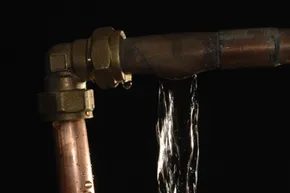
Water behaves differently from other liquids. Hydrogen and oxygen molecules often come close to each other as they lose heat to the cold air. This tight packing creates a solid that takes up less space than a liquid. However, water refuses to follow this rule. When frozen, the molecular pattern changes. Expanding the structure. Ice takes up more space than the water that forms it.
This expansion caused severe damage to the home’s plumbing. It can strain hard metal or plastic pipes. Joints are weak points. A crack will appear. This physical anomaly affects thousands of homes each year. The obvious solution seems easy. The idea is to invent pipes from expandable materials. If the ice allows the pipe to stretch, the damage disappears.
The Real Mechanics of a Burst Pipe
Can expanding ice blow pipes out? Not exactly. Physics is more subtle. The disaster usually starts with a blockage. Ice builds up inside the pipes, often in several places.
Imagine that part of the pipe is blocked with ice. This blockage is between the water source and the closed faucet. Two things happen:
- Upstream of the blockage: Water can flow back to the water source. There’s no pressure here.
- Downstream of the blockage: Water has accumulated between the ice plug and the closed faucet.
As more ice forms, the trapped water has nowhere to go. Pressure spikes. A water pipe explodes. Although joints are the most susceptible to damage, cracks can occur anywhere in the pipe wall [source: The Weather Channel, Physics Van].
Many owners make a mistake here. They thought that dripping water from the faucet would prevent the water from freezing. Water freezes even if it flows. Water dripping has nothing to do with temperature regulation. It’s all about stress relief. By opening the faucet a little, the swollen water can be drained. Prevents the pipes from turning into a pressure cooker.
Clear up misunderstandings
Leaks often start when pipes melt. This leads to the logical but erroneous conclusion that melting is the cause of the damage. This is not true. The damage happened a few days ago when the water froze. The ice acts as a seal and hides the crack until the ice melts and water flows into the weaker area. Leaks only appear when thawing begins, while failures occur during freezing.
“Telephone” disaster prevention
Where you live matters. In cold regions of the United States, homes often have pipes embedded in heated interiors. Avoid unheated attics, crawl spaces and exterior walls. This is great engineering.
In warmer regions, ice rarely forms. Builders often leave out the insulation. They don’t care about placement. A rare frost can wreak havoc on visible pipes. Prevention requires different strategies depending on the climate.
Insulated bare wire
If the pipes are in the attic, crawl space or along the outside wall, they need protection. Add a layer of insulation. The foam sleeve worked. Fiberglass packaging work. Wrap insulated pipes with heating tape for added security. Adds an active protective layer against temperature drops.
Prevents cold air from entering
Cold air is your enemy. Seal leaks before they enter your home, especially near pipes. Look for gaps around wires, phones, and cables that run through exterior walls. Seal around the dryer vent. Seal the place where the pipe passes through the wall. Cold protection measures keep the pipes warm.
What to do during cold waves
If freezing occurs, it must be addressed immediately. Use these steps to save your pipeline.
- Let them drink water: The faucet drips water 24 hours a day. If you have separate hot and cold water taps, open both taps.
- Raise the temperature of the thermostat: Turn on the heating also at night. When the room is warm, some of the heat gets into the pipes embedded in the walls and floor.
- Open the cabinet door: Lift the door under the sink and along the outer wall. Warm air must circulate around the ducts.
- Warm gently: If you think the pipes are frozen, use a hair dryer. Start near the faucet and work your way back toward the log. Never use an open flame.
The price of neglect
Ignorance is expensive. The most common home insurance claim is water damage caused by a broken pipe. The average bill is about $5,000. This does not include repairs, mold remediation, unusability, etc.
Prevention is cheap. Insulation costs a penny per foot. Caulk is cheap. Very little energy is needed for water to drip. Ignoring the physics of water freezing can cost you thousands of dollars.
The pipes in the walls are not visible until they are damaged. They don’t send alerts. They just wait for the temperature to drop and the faucets to turn off, turning simple homes into flood zones. Check the attic. Check the basement. Close the gap. Please isolate the wires. It is better to use an afternoon for prevention than a month for recovery.
The behavior of water cannot be changed. But you can change the way your home responds.