


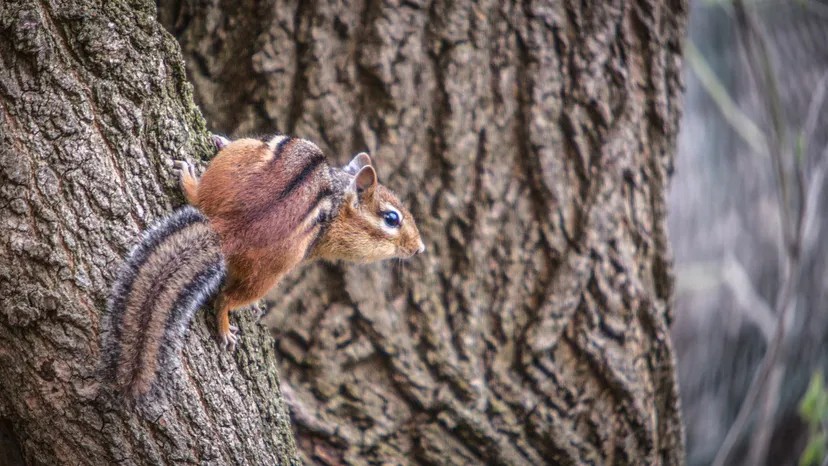
Chipmunks have very cute expressions. Movies love them. your garden? It hates them.
If you spot a group digging up bulbs or stealing from bird feeders, you need to take action. You want to know how to get rid of chipmunks without turning your garden into a death trap. So do you.
The goal isn’t extermination. It’s coexistence, but on your terms. You can repel striped intruders with methods that are safe for animals, children and pets. Here’s a practical step-by-step guide to reclaiming your outdoor space.
Sunflower bucket method
This is an old-fashioned but effective method. Minimal tools are required.
Prepare a sturdy bucket. Fill it with water. The water level should be high enough so that the chipmunk cannot crawl out, but not so deep that the chipmunk drowns quickly. You want them trapped, not dead.
Sprinkle sunflower seeds on top. Or place it near a shelf where chipmunks already hang out.
When the chipmunk jumps in for the prize, it’s stuck. The water prevents escape. The seeds lure them in. Once captured, move it to a wooded area away from your property. Do this immediately. Chipmunks run very fast.
Live Traps: Precision Over Power
Live traps work similarly to buckets, but give you more control. No special equipment required. A standard rodent live trap sold in hardware stores will do.
Use food that chipmunks like. sunflower seeds. fruit. Peanut butter.
Set the trap near their burrows or along the path. Check this often. In some areas, leaving animals in traps for hours is inhumane and illegal.
Once captured, transfer them to a suitable habitat. Consider a dense forest outside a residential area. Carefully release the trap. Let them bolt.
Habitat Modification: Stop Feeding Them
Chipmunks are opportunists. They show up because you made your yard attractive. Change this.
Get rid of the buffet.
- Bird feeders: Place it in a high place away from buildings. Or use a squirrel-proof feeder instead.
- Pet food: Do not leave pet food out overnight. Chipmunks will raid bowls.
- Debris piles: Piles of wood, fallen leaves and dense undergrowth provide shelter. Clear them out. Make your yard feel exposed.
If there is no food and no cover, they will leave. It’s that simple.
Natural Repellents: Make It Unpleasant
You can make your garden inhospitable by using ingredients from the kitchen. Chipmunks have sensitive noses and taste buds.
Hot Sauce Spray
Mix the hot sauce with the water. Pour into a spray bottle. Coat your garden beds, lawn edges and the perimeter of your property. The capsaicin irritates their sense of smell and taste. They avoid the area. This also applies to other small rodents.
Cayenne pepper
Sprinkle cayenne pepper around the bulbs and flower beds. This is a cheap and readily available deterrent. Chipmunks hate the spice. It keeps them from digging up your tulips and daffodils.
Physical Barriers: Block the Dig
Sometimes you have to build walls. Not the walls of the house. A barrier for the ground.
Bulb cages
Place a wire mesh cage around the bulbs before planting. Chicken wire works. Hardware cloth is better. Dig a hole, put a cage in it, put the bulbs in it and cover it with soil. Chipmunks can dig up whatever they want, but it can’t reach the prize.
Plant-free gravel border
Spread gravel around the garden bed. Chipmunks do not like to walk on loose, unstable ground. It makes them feel vulnerable. A two-foot border of small stones will keep them out of your flower bed.
Unconventional Tactics: Psychological Warfare
Not all solutions require traps or syringes. Some involve messing with their heads.
beach ball
It’s ridiculous. it works. Inflate a beach ball. Place it in your garden. When the wind blows, the ball moves erratically. Chipmunks are easily frightened creatures. They do not like unpredictable movements. Leave the ball there for several days. They are afraid to move on.
Predator’s Urine
You can buy products that mimic the smell of fox or coyote urine. Spread it on your property. It portends danger. It’s not 100% reliable in heavy rain, but it’s worth a try.
Electronic Insect Repellent
Ultrasound devices emit high-frequency sounds. Humans cannot hear them. Chipmunks can. They find it annoying. Place these devices near the problem area. Note: Effects may vary depending on device and environment.
Know Your Enemy: Chipmunk Basics
You can’t win against something you don’t understand.
Chipmunks are agile survivors. Eastern chipmunks and chipmunks are most commonly found in residential areas. they are not squirrels. Squirrels can climb trees. Chipmunks live underground.
Appearance
It has distinct dark brown stripes. It’s small. Quickly. Hard to catch.
diet
They eat seeds, nuts, insects and bird eggs. They are not picky. If it’s in your garden, they want it.
dig a hole
Chipmunks dig extensive underground webs. These are their homes, grocery stores and safe houses. They hide the entrance under ground cover, near a retaining wall or under a fence.
Signs of infection
Don’t expect damage. Look for clues.
- ** Cave entrance:** A small round cave. Look close to your food sources. Check under the fence. Look at the tall grass.
- Damage to plants: Chewed bulbs. Disturbing the soil. Dig up small plants. If the tulips are gone, check your soil.
- Food theft: Empty bird feeders. Open the pet food bag. If your bird’s seed disappears overnight, chipmunks are likely to blame.
When to contact a professional
The do-it-yourself approach only works for a select few. If you have a full-blown infection, you may need help.
Professional pest control companies have more effective repellents and special tools available. We can offer customized solutions.
If you choose this route, find out how. Ask if they use humane live traps. Make sure they align with your values. Some companies use lethal traps. You don’t have to use them.
Take back your garden
Chipmunks are a combination of prevention and destruction.
Keep your garden clean. Remove the clutter. Keep the bird feeder safe. Use a light bulb protector. Try the hot sauce. It is very cheap. it works.
Combine these methods. Prevention repels newcomers. The move destroyed the current residents.
If the problem persists, contact a professional. But try the pipe first. It’s very simple. This is humane. The results are out.
The chipmunks are gone. Your garden is safe. currently.


