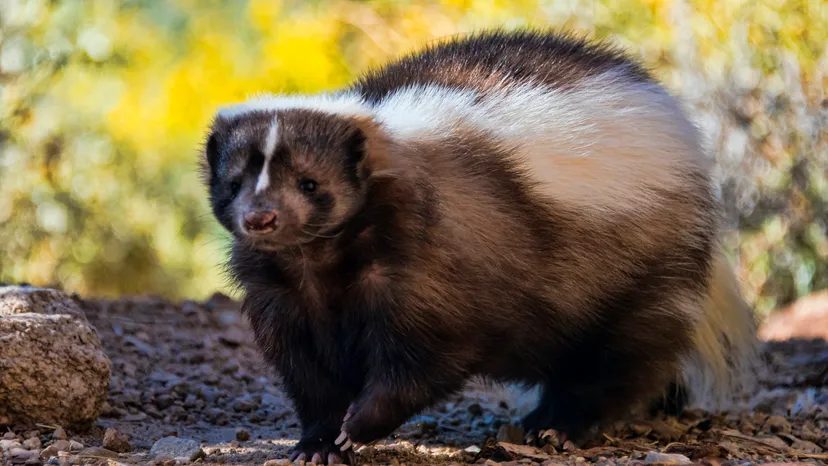
Skunks are opportunistic eaters. They gobble up grubs, insects, small rodents, and even the vegetables growing in your garden. But for most homeowners, the real issue isn’t their diet. It’s the spray. That scent is iconic, potent, and deeply undesirable. If you are dealing with a skunk problem, you need a skunk repellent that actually works. You don’t need chemicals that poison the soil. You need strategies that make your property inhospitable to them.
We will walk through how to create natural deterrents and look at commercial options that save time. The goal is simple: keep these unwanted animals off your land without harming them or your lawn.
Why You Need to Deter Skunks Early
Skunks are more than a nuisance. They are a logistical and health headache. Their primary defense mechanism is spraying a foul-smelling liquid. This isn’t just unpleasant. It is notoriously difficult to remove. The odor can linger for days or even weeks. It permeates the air, infiltrating your home, your car, and your outdoor furniture.
Skunks also raid garbage cans. They scatter trash everywhere, creating a mess that requires immediate cleanup. If they are digging for grubs, they tear up your lawn and garden beds. There is also the risk to your pets. Dogs and cats can have unfortunate encounters with skunks, leading to scratches or bites.
Health risks add to the urgency. Skunks can carry rabies, posing a direct threat to humans and pets. Their burrowing habits undermine structures. They dig under decks, sheds, and sometimes even house foundations. These burrows lead to costly structural repairs. Skunks are unwelcome visitors for every reason imaginable.
Preventive Measures: Make Your Property Uninviting
The best way to repel skunks is to stop them from coming in the first place. Deterrence starts with removing their incentives. Here is how to secure your property:
- Secure your trash. Keep lids tightly covered. Ensure cans cannot be tipped over by a heavy animal.
- Manage pet food. Feed dogs and cats indoors. Do not leave bowls outside.
- Empty bird feeders at night. Skunks will eat almost any type of food, especially from pet food bowls or fallen seeds.
- Remove clutter. Clear piles of wood, compost, or junk. These provide perfect hiding spots and dens. If you cannot move a pile, cover it securely with a heavy tarpaulin.
How to Make a Natural Skunk Repellent
If you prefer to avoid harsh chemicals, nature offers several effective solutions. These methods rely on strong smells and irritants that skunks find offensive.
For Garden Vegetables
If skunks are eating your crops, spray the plants with a mixture of water and hot pepper. The capsaicin irritates their senses. If you do not want to use sprays, interplant cucumbers, squash, or other prickly-leaved plants among your vegetables. The physical barrier and scent can deter them.
For Den Areas
If you suspect a skunk family is living under your deck or porch, try a boiling mixture. Take one chopped yellow onion, one chopped jalapeño pepper, and one tablespoon of cayenne pepper. Boil them in two quarts of water for 20 minutes. Strain the liquid and pour it into a spray bottle. Squirt it all around the skunk’s den. The strong aroma drives them out.
For Porches and Paths
Place a rag soaked in ammonia in a bowl on the ground near your entryways. The smell keeps skunks away. However, be careful. Ammonia will burn grass and plants. Keep it away from your landscaping.
Best Commercial Solutions for Quick Results
Sometimes you need a faster fix. You might not want to mess around with peppers, onions, or boiling water. Commercial repellents offer convenience and proven efficacy.
PredatorPee Coyote Urine Trigger Spray Bottle
This product exploits the skunk’s natural instincts. It contains coyote urine, triggering a fear response in skunks. You apply it around the perimeter of your property using scent tags. One application lasts for about a month.
Essentially KateS Peppermint Essential Oil
Peppermint oil is a strong natural deterrent. You need to dilute it and spray it around your home. Beyond repelling skunks, it works as a household cleaner and air freshener. It is a multi-purpose solution for your porch and patio.
RibRave Ultrasonic Animal Repeller
Electronic options are gaining popularity. This device uses ultrasonic sound waves and flashing LED lights. It is solar-powered and waterproof, with a range of 26 feet. It is ideal for outdoor use. Note that you may need multiple units for larger yards to ensure full coverage.
Finding a Safe and Effective Solution
Whether you choose a homemade pepper spray or an ultrasonic device, the goal remains the same. You need a skunk repellent that is safe, humane, and eco-friendly. Solutions involving garlic oil and black pepper also exist, though results may vary.
The key is consistency. No single method works 100% of the time. Combine preventive measures with active deterrents. Secure your trash. Clear your clutter. Apply your chosen repellent regularly.
Don’t get skunked. Your property and health are worth protecting. Start with the basics. If the problem persists, escalate to stronger measures. The skunks will eventually find a more welcoming home elsewhere.