


That little brown bottle in the back of your bathroom medicine cabinet? Now that won’t do your scraped knees any good. Bought for first aid. You’ve probably used it a time or two since then. But if you leave it there, you’re wasting one of the most versatile cleaning agents.
Hydrogen peroxide doesn’t just disinfect wounds. A powerful oxidizing agent that breaks down stains, kills mold and brightens fabrics without the strong smell of bleach. If you want to replace your chemical-filled under-sink cabinet with something safer and cheaper, start here.
Kitchen reset
Start by cleaning the surfaces that are used the most. Cutting boards, especially wooden ones, may contain bacteria. Bleach can damage the wood. Hydrogen peroxide (3% concentration) disinfects without deforming the material.
Mist it. Let it bubble for a minute. Allow to dry. Also effective for plastic and bamboo cutting boards, where knife marks easily collect food residues.
In the floor drain? Pour half a cup of hydrogen peroxide down the drain, followed by half a cup of baking soda. Wait 10 minutes. Rinse with hot water. Removes minor blockages and odors without damaging pipes, unlike commercial gels. 🚰
Laundry rescue
No need for expensive white cotton stain remover. Soak the yellowed whites in a bucket of water mixed with a cup of hydrogen peroxide for an hour, before washing. Breaks down organic dirt and brightens fibers.
For colored fabrics, do a spot check first. A little goes a long way. It removes sweat stains and deodorizes sports clothes better than just detergent.
Bathroom mold
Bleach can only bleach mold on the surface. The roots are embedded in grout. Hydrogen peroxide kills mold at the root. Fill the spray bottle with 3% hydrogen peroxide. Spray grout lines, shower curtains and bathtub surfaces. Leave it on for 10-15 minutes. Scrub with an old toothbrush. rinse.
This method is safe for you and the environment. No toxic gases are produced. No strong chemical residues.
Mirror and glass tricks
Streak-free mirrors do not require expensive sprays. Mix one part hydrogen peroxide with two parts water in a spray bottle. Spray on the glass. Wipe with a microfiber cloth. Removes soap scum and water spots better than vinegar-based cleaners.
Safety above all
Always use 3% hydrogen peroxide. High concentrations can cause skin burns and surface damage. Store in a cool, dark place. Over time, it degrades it over time, making it less effective.
Keep out of reach of children. It is not poisonous in small quantities, but it is not a beverage.
This is just the beginning. What else can this humble bottle do?
Do you think your bathroom counter is clean? Let’s think again.
Every time you pluck loose hair, curl your eyelashes or file your nails, these tools collect more than just keratin. They grab bacteria from the skin. What about man-pedicure kit? It’s in a damp bathroom, which is a breeding ground for bacteria.
The solution is to use hydrogen peroxide. It is very cheap. It’s effective. It kills the stuff you can’t see.
Sterilizing Beauty Tools
Prepare a cotton pad. Soak it. Wipe the tweezers, eyelash curler and cuticle pushers.
Or if you’re lazy, drop them into a small bowl of solution. Let them sit. The bubbles do the work. They pick up debris and kill microorganisms on contact.
But this is where people mess up.
If these tools come into contact with mucous membranes such as the nose, eyes, mouth or ears, they must be rinse them. Plain water. Clear water. Don’t leave a drop of peroxide on the business end before it gets back on your face.
The Toothbrush Protocol
A toothbrush is basically a sponge for the mouth’s flora. food particles. saliva. Bacteria. It’s a biohazard sitting in a cup on your sink.
Treat it like any other tool. Just soak the head in hydrogen peroxide. Keep it brief. You’re not trying to bleach the bristles white, you’re trying to disinfect it.
Then rinse.
That is, rinse until the water is clear. Do not skip this step.
WARNING: Never swallow peroxide. Never apply it to the delicate tissues of your mouth. If you taste it, you’ve been gone too long. Rinse thoroughly before next brush. Your gums will thank you.
Kitchen sponge
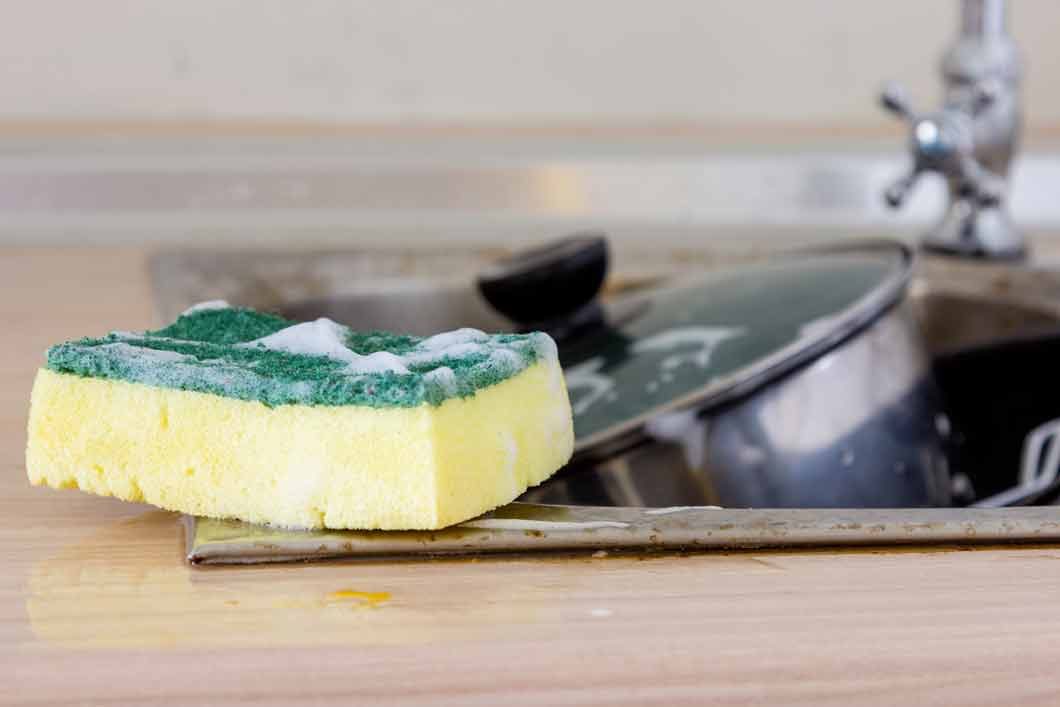

Kitchen sponges are famous for retaining moisture. They become breeding grounds for various bacteria. To keep them safe, you can disinfect it daily. Mix half water and half hydrogen peroxide. Soak the sponge in the solution for a few minutes. Wash it off. This method disinfects effectively without strong chemicals.
4. Keep Your Cutting Boards Clean
Every time you use a knife on a cutting board, you create microscopic cuts. These tiny grooves are perfect for bacteria to hide and grow. Spraying the board with hydrogen peroxide or hand washing before putting it in the dishwasher is more effective than just soap. It also treats stubborn stains that regular washing misses.
5. Cleaning the inside of the refrigerator
Detergent usually isn’t enough to remove the many germs from your refrigerator. Spray the interior with hydrogen peroxide to ensure effective disinfection. Leave it on for a few minutes. Then wipe it off. Your refrigerator will be thoroughly disinfected.
6. Clean Reusable Shopping Bags
Reusable bags are good for the environment. They get dirty every time you use them. If you don’t have time to clean them thoroughly with water and soap, spray the inside with hydrogen peroxide. This will disinfect the bag until the next time you can wash it properly.
7. Clean Tile Grout
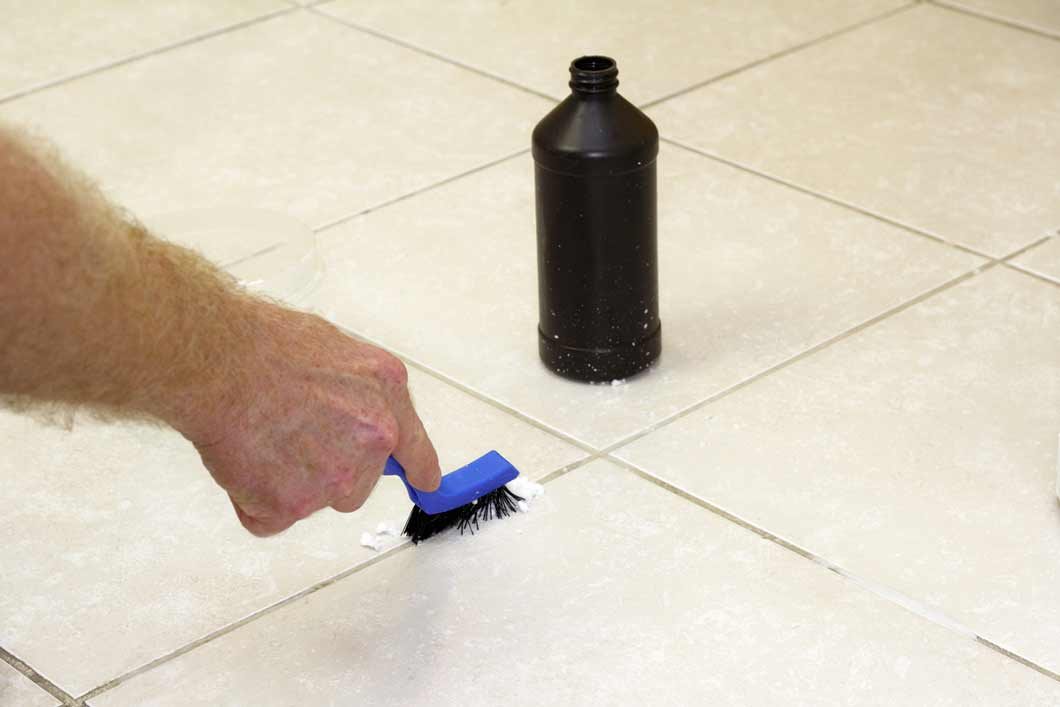
Keeps the tile grout bright and mold-free.
Bathroom grout and kitchen splashbacks tend to absorb moisture, making them easy places for mold to grow. Hydrogen peroxide is a very effective tool if you want to keep these lines white and prevent dark spots from forming.
Mix baking soda and hydrogen peroxide into a thick paste. Spread it over the grout lines and let it sit for 5 minutes. Rinse thoroughly with clean water. This combination does more than just kill bacteria. Removes soap scum and restores the tile’s original shine.
Restoring White Laundry
Are your white clothes turning gray or yellow? Try adding a cup of hydrogen peroxide directly to the detergent compartment of your washing machine. Works as a mild bleaching agent that restores brightness without harsh chemicals.
Treating sweat stains on shirts
Yellow underarm stains on white shirts and T-shirts are stubborn but not permanent. They can be removed with three simple things: 1 tablespoon of hydrogen peroxide, 1 tablespoon of baking soda, and 1 tablespoon of water.
Mix them into the solution. Brush the mixture into the fabric with a soft-bristled toothbrush in circular motions. It must be pushed deep into the fibers. Let stand for at least 30 minutes. Gently massage again and machine wash as usual.
Remove grass stains
Grass leaves green marks that are hard to forget. To fix this, mix two parts hydrogen peroxide with one part dish soap. Apply the mixture to the stained area with a soft dish brush. Leave it on and then rinse with cold water. Repeat if necessary before washing in the washing machine until the green color disappears.
Always test the mixture on a hidden seam first. Before you make the whole garment, you need to make sure that the fabric is color fast.
Clean blood stains
Whether it’s on your clothes, carpet, or mattress, the first choice for blood is hydrogen peroxide. Pour directly onto the stain. You will see it fizz. Wait until the bubbles have completely stopped.
Do not rub the area. Rubbing can push the stain deeper into the fibers. Instead, blot it with a clean cloth. Repeat application and wiping until the stain is gone.
Humidifier and dehumidifier maintenance
These devices work well in humid, warm environments. if you neglect them. they can become a breeding ground for mold. Clean once a month with a 50/50 water and hydrogen peroxide solution. Protects internal components from microbial growth.
Reducing Dust Mites
Dust mites feed on dead skin cells and gather especially in the bedroom. To reduce their number, spray your mattress with a mixture of hydrogen peroxide and water. Allow the mattress to dry completely and then making the bed with fresh linens. This helps kill dust mites and their allergens.
Disinfect the toys
Bacteria can accumulate on the surfaces of plastic toys for children and pets. Spray with hydrogen peroxide to kill bacteria. Leave the solution on for a few minutes and rinse thoroughly with clean water.
Rinsing is not negotiable. Avoid allowing residual peroxide to come into contact with children’s mouths or pets’ mucous membranes.
Fertilizing Plants
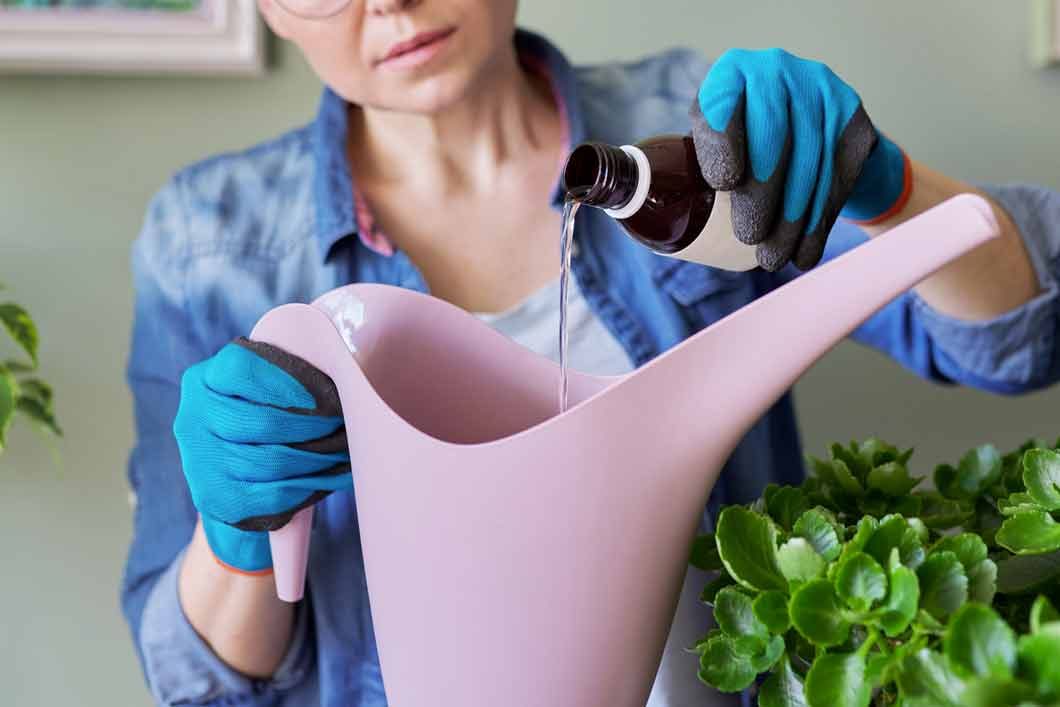
If the plants in your garden look lethargic, the problem may simply be suffocation of the roots. The extra oxygen molecules in hydrogen peroxide strengthen the soil’s ability to release nutrients, making it easier for roots to absorb. You don’t need a chemistry degree to do this. Mix 1 part 3% hydrogen peroxide with 4 parts water. Fertilize indoor and outdoor plants with this solution immediately after mixing. Do not leave it unattended. The potency drops fast.
Disinfect garden tools
Diseases do not have to travel very far to spread from one plant to another. Insects and fungi stick to pruning shears, trowels, rakes, etc. If you don’t keep your equipment clean, you can spread the infection. Hydrogen peroxide is a natural disinfection method. Spray or wipe tools before and after use. Prevent pathogens from gaining a foothold in your garden. Simple. Effective. cheap.
Remove stains from marble
Marble is beautiful, but porous. For this reason, it is easy to get dirty. A paste of flour and hydrogen peroxide can lift marks that bleach might miss. Mix both ingredients until thick. Apply the paste directly to the stain. Wrap in plastic wrap to prevent drying. Leave it on for 12 hours. After rinsing with water, the stain disappears or becomes noticeably lighter. If the problem persists, repeat the process. Always test this mixture on a hidden spot first. Marble varies by source. You don’t want to etch your countertop by accident.
Clean the toilet
You don’t need strong acids to disinfect the toilet. Hydrogen peroxide does the same thing. Pour half a cup into a bowl. Leave on for 30 minutes. The oxidation process breaks down dirt and kills bacteria. Scrub with a toilet brush. Flush. Done. There are no pungent chemical smells in the air. Just clean the surface.
The Shelf Life Trap
Most people forget about hydrogen peroxide after they buy it, and only use it when it stops working. This liquid breaks down into clear water when exposed to heat, light and air, which is why it is sold in opaque bottles. This degradation is harmless, but the potency of the product may be lost. If the liquid stops bubbling when you pour it, it is out of date. Its oxidation capacity has been lost. For best results, use the solution within one month after opening. Six months is the absolute maximum time. After that it’s just water for the plants or the floor.
The aforementioned tip is based on diluting the hydrogen peroxide to 10 volumes. This concentration is usually found in pharmacies. It is stronger than the 3% solutions for first aid use, so handle it with care.
- Grandma’s 10 tips for bleaching clothes
- 11 ways to use diatomaceous earth at home
- 10 smart ways to use parchment paper
- 13 ways to use turpentine essence at home
- 20 ways to use coffee grounds at home or in the garden
- 9 natural tips for removing textile stains
- 15 ways to use white clay at home
- 16 ways to use acetone at home
- How to remove blood stains from a mattress?
- Scarlet water: 7 uses for the home


